Building Smarter:

How to Keep Your Commercial Project on Time and on Budget in Any Market

Because strong planning and the right team matter more than market conditions.

Every market has its challenges, prices rise, materials fluctuate, and timelines tighten. But successful projects don’t depend on perfect conditions; they depend on smart planning.

At Hammers Construction, we’ve spent over 30 years helping Colorado businesses navigate every type of market. Whether you’re building a medical office, retail space, or a commercial development, the right process can keep your project steady, even when the market isn’t.

Overview

Before you dive into design and budgeting, it helps to know what really moves the needle.

In this guide we will answer questions like :

  • How does design-build delivery reduce risk and control costs?
  • What are the most effective ways to plan ahead for unpredictable markets?
  • How can value engineering add efficiency without sacrificing quality?
  • Why do local relationships matter so much in Colorado’s construction scene?
  • What role does communication play in keeping projects on track?

If you’re planning a commercial project in Colorado, these insights will help you make smart, informed decisions that protect both your budget and your peace of mind.
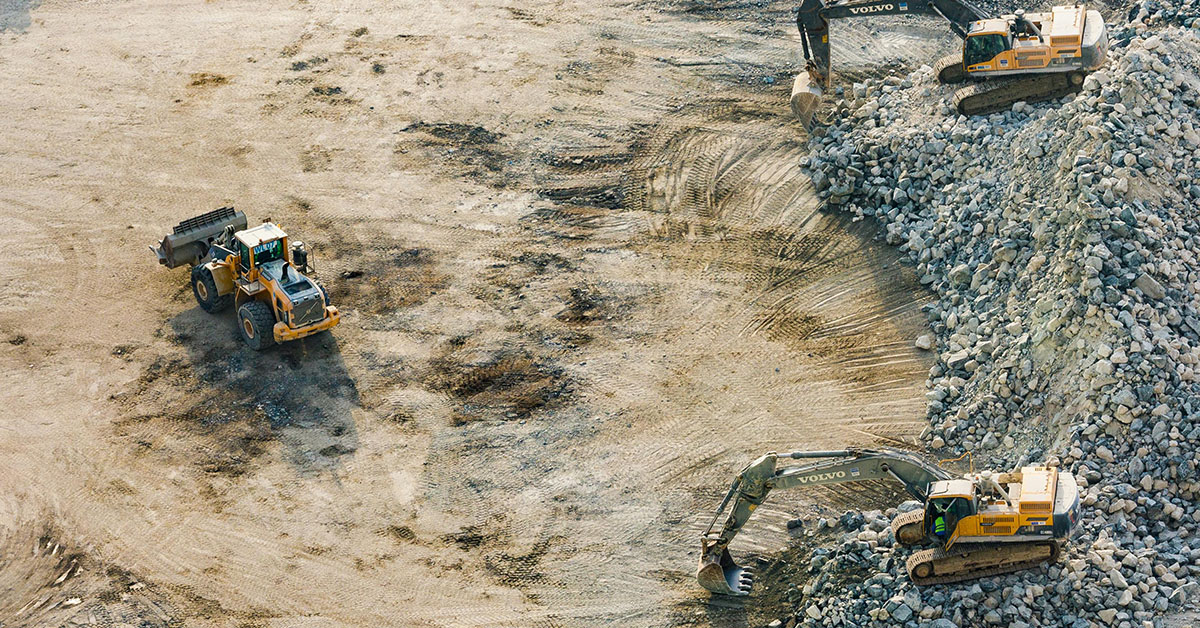
Commercial Land Development - Hammers Construction

What Is Commercial Land Development?

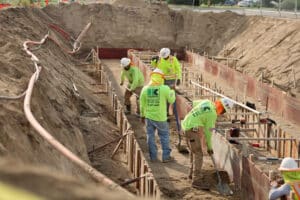
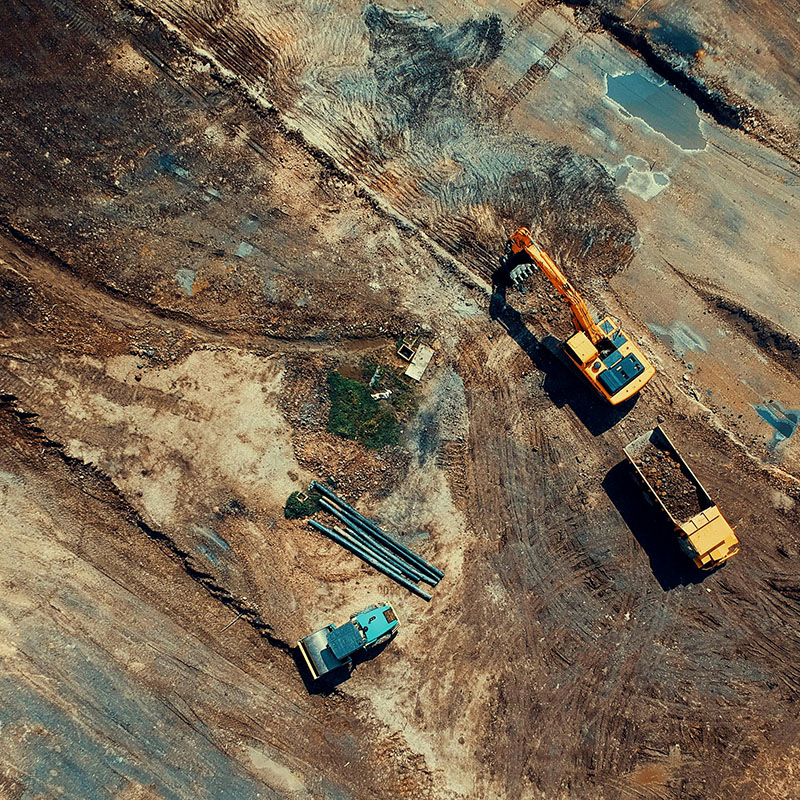
Commercial land development is the process of preparing property for construction — transforming raw land into usable, build-ready sites for retail, industrial, or mixed-use projects. It typically involves site preparation, grading, drainage systems, utility connections, and permitting.

Unlike residential development, commercial sites must account for complex infrastructure development (roads, parking, utilities, stormwater systems) and zoning regulations that dictate what can be built and where.

In El Paso County, the growing demand for logistics hubs, small industrial parks, and retail centers has increased competition for affordable land. That makes development analysis and planning more important than ever.

The Importance of Land Readiness

Before purchasing property, it’s important to assess whether the land is build-ready. A site with utilities, access roads, and drainage in place can save months of permitting delays.

Land Readiness Checklist

  • Soil stabilization and geotechnical reports
  • Approved stormwater management and drainage plan
  • Verified utility connections for power, water, and sewer
  • Legal road access and easement verification
  • Confirmed zoning classification and setbacks

According to the Pikes Peak Regional Building Department, most permitting delays in El Paso County stem from incomplete site data or missing infrastructure documentation. By addressing these items early, you reduce uncertainty and avoid expensive redesigns later.
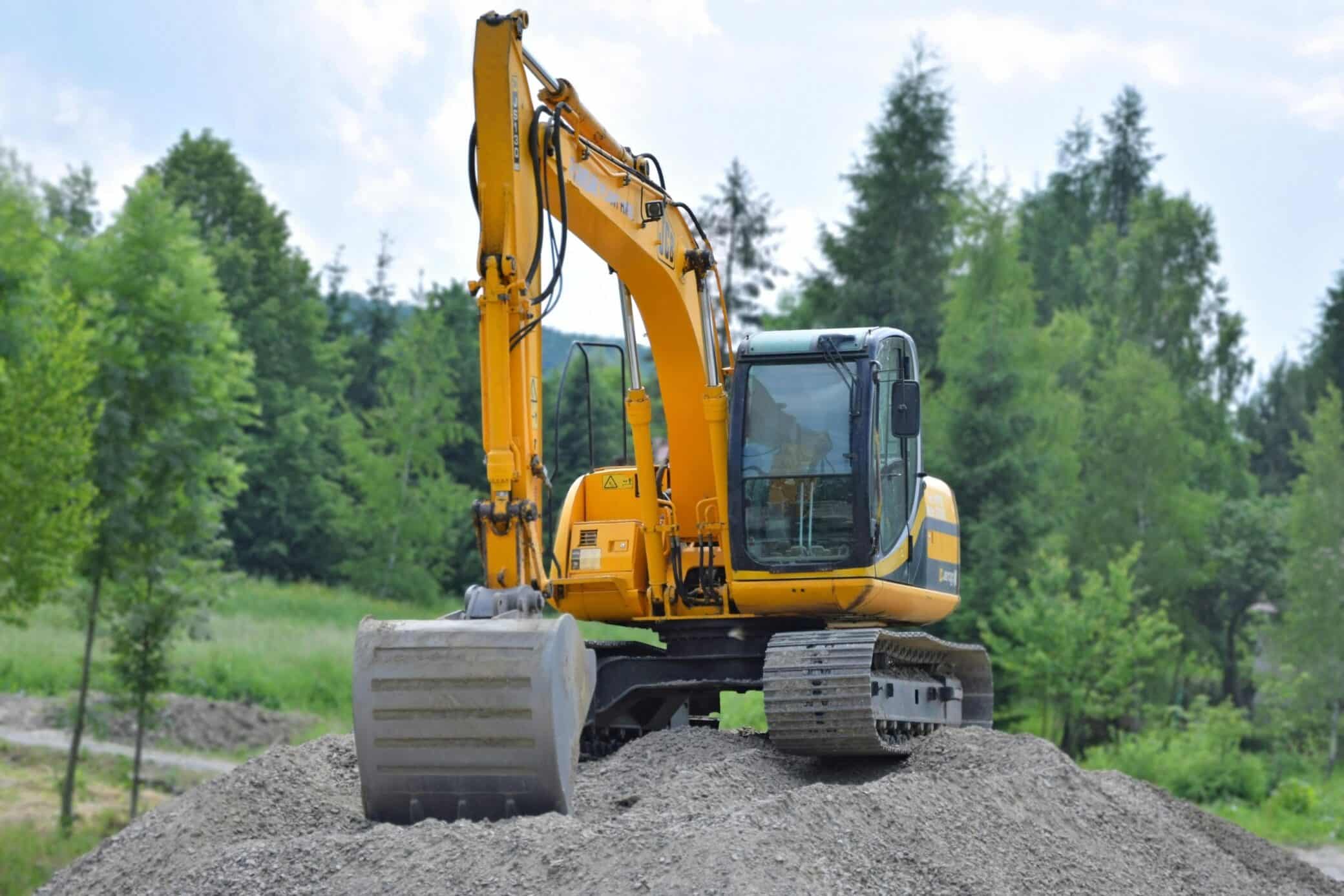
Commercial Land Development - Hammers Construction

Zoning Regulations and Permitting in El Paso County

Zoning regulations determine what your land can become and how soon you can start building. El Paso County’s Land Development Code defines zoning districts for commercial (C-1, CS) and light-industrial (I-1, I-2) use, each with its own restrictions.

For example, a parcel zoned RR-5 (Rural Residential) may require rezoning before it can support a warehouse or retail use. That process can add months to your timeline.

Working with a contractor experienced in commercial land development means you’ll have guidance through every zoning, variance, and permitting step, keeping your project compliant and on schedule.

Infrastructure Development and Utilities: The Hidden Cost of Land Improvement

Infrastructure development is the heartbeat of commercial property development — and often where budgets get stretched.

Key cost drivers include:

  • Utility connections: Coordinating with Colorado Springs Utilities or Mountain View Electric for access and capacity
  • Drainage and stormwater systems: Designing runoff solutions that meet county and CDPHE standards
  • Road construction and access: Ensuring legal ingress and egress for customers and deliveries
  • Site grading: Leveling uneven terrain to create safe, stable foundations

The Colorado Office of Economic Development reports that utility and infrastructure costs can make up 30–35% of total site development expenses. That’s why early development analysis and value engineering are critical.
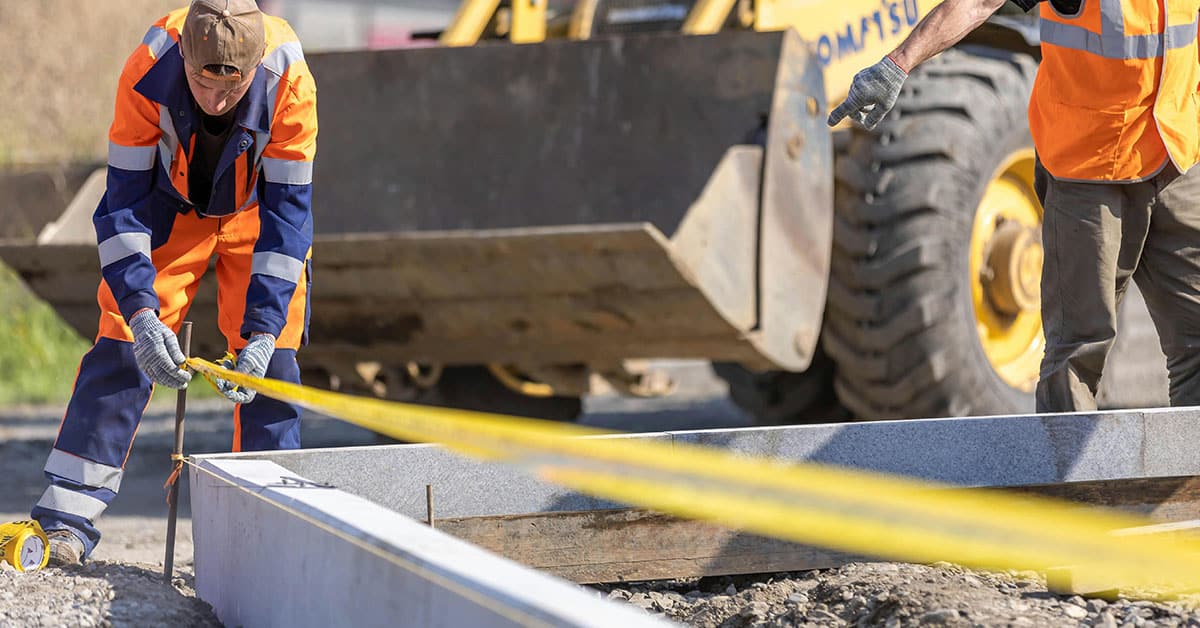
Commercial Land Development - Hammers Construction

Incentives for Developers and Business Owners

El Paso County offers multiple programs to encourage commercial investment and job creation, helping offset land-development costs:

These incentives can improve land valuation and reduce up-front costs, especially for projects that align with county growth priorities.

Get Specialized Land Development Help

For more than 30 years, Hammers Construction has helped Colorado business owners develop land that’s ready to build on. Our in-house expertise covers everything from infrastructure design to construction management, ensuring your project stays efficient from concept to completion.

Here’s why Coloradans choose us:

  • Local knowledge of El Paso County codes and utilities
  • Integrated design-build and land development capabilities
  • Proven cost control through early planning and value engineering
  • End-to-end project delivery with one trusted partner

Ready to turn raw land into opportunity? Contact Hammers Construction today to schedule a land readiness consultation, and start building smarter in El Paso County.

Frequently Asked Questions

What is commercial land development?
Commercial land development is the process of preparing raw land for construction, including site preparation, infrastructure installation, and zoning compliance.

What makes land “build-ready”?
Proper grading, drainage planning, utility connections, and approved access roads ensure your land is ready for immediate construction.

How long does land development take?
In El Paso County, most commercial land development projects take six to twelve months depending on size, location, and permitting complexity.

Can I develop land outside Colorado Springs?
Yes. Unincorporated El Paso County often offers lower land costs, flexible zoning, and access to the same infrastructure and incentives.

Is it cheaper to buy or build a commercial building?
It depends on your location, timeline, and long-term goals. Buying an existing building can reduce upfront costs and speed up occupancy, but it may require costly renovations, zoning variances, or mechanical upgrades to meet your operational needs. Building on prepared land gives you complete control over layout, efficiency, and infrastructure development, often resulting in lower lifecycle costs and higher property value.

Is it smart to buy land and then build?
Yes, when planned correctly. Buying land and developing it yourself can be a smart long-term investment, especially in high-growth areas like El Paso County. But it’s important to perform a land development analysis to confirm zoning regulations, utility availability, and drainage systems. 
Choosing the Right General Contractor: What Owners Should Look For

Selecting a general contractor is one of the most important decisions a project owner will make. The right partner can bring clarity, confidence, and momentum to a project. The wrong one can introduce stress, delays, and unexpected costs.

While pricing often gets the most attention, a contractor’s role goes far beyond building walls. Below are the key things owners should look for when choosing a general contractor and why understanding the difference between a traditional GC and a design-build GC matters.

Experience That Matches Your Project Type

Not all commercial projects are created equal. A contractor who excels at tilt-wall warehouses may not be the best fit for a medical office, retail space, or specialized commercial facility. Owners should look for a contractor with direct experience in projects similar in size, complexity, and use.

Relevant experience means the contractor understands common challenges, local requirements, and realistic budgets. It also means fewer surprises once construction begins.

Clear Communication and Transparency

Strong communication is not a “nice to have.” It is essential. Owners should expect clear explanations, realistic expectations, and proactive updates throughout the project lifecycle.

A good contractor explains the why behind decisions, flags potential issues early, and provides visibility into cost, schedule, and scope. If communication feels unclear or reactive during early conversations, it will not improve once construction starts.

Understanding the Difference: Traditional GC vs Design-Build GC

Traditional General Contractor

In a traditional model, the owner hires a designer first, then bids the completed design to general contractors. The GC builds what is drawn. While common, this approach can lead to disconnects between design intent, budget, and constructability. Cost concerns often surface late, resulting in redesigns or change orders.

Design-Build General Contractor

In a design-build model, the contractor is involved from the beginning, working alongside architects and engineers as part of one integrated team. Design and construction decisions happen together, with cost, schedule, and constructability considered in real time.

For owners, this means:

  • Earlier cost certainty
  • Fewer surprises during construction
  • Faster timelines
  • One point of accountability
  • Better alignment between vision and budget

Design-build shifts the process from reactive to proactive.

A Proven Process, Not Just Promises

Owners should ask how a contractor actually runs a project. Is there a defined preconstruction process? How are budgets developed and tracked? How are decisions documented?

A strong contractor can clearly explain their process from concept through closeout. This structure helps keep projects organized, predictable, and efficient.

Local Knowledge and Relationships

Permitting requirements, inspections, utility coordination, and local codes vary by jurisdiction. A contractor with strong local experience understands how to navigate these processes efficiently and maintain productive relationships with municipalities, inspectors, and trade partners.

Local knowledge reduces delays and helps projects move forward smoothly.

Financial Stability and Trade Relationships

Commercial construction relies heavily on subcontractors and suppliers. Owners should look for a contractor with long-standing relationships and a reputation for fairness and reliability.

Strong trade partnerships often translate to better pricing, higher-quality work, and more consistent scheduling.

A Collaborative Mindset

Construction projects are complex. Challenges will arise. The right contractor approaches those challenges as a partner, not an adversary.

Owners should look for a team that listens, collaborates, and problem-solves rather than one that defaults to blame or rigid thinking. This mindset makes a significant difference in both the experience and the outcome.

The Bottom Line

Choosing the right general contractor is about more than cost. It’s about trust, process, communication, and alignment.

For owners seeking greater clarity, fewer surprises, and a more streamlined experience, working with a design-build general contractor offers meaningful advantages. By integrating design and construction under one team, projects benefit from early collaboration, smarter decision-making, and stronger accountability from start to finish.

At Hammers Construction, we believe informed owners make better decisions and better projects. If you’re evaluating your options for an upcoming commercial build, we’re always happy to be a resource.

Building Smarter:

How to Keep Your Commercial Project on Time and on Budget in Any Market

Because strong planning and the right team matter more than market conditions.

Every market has its challenges, prices rise, materials fluctuate, and timelines tighten. But successful projects don’t depend on perfect conditions; they depend on smart planning.

At Hammers Construction, we’ve spent over 30 years helping Colorado businesses navigate every type of market. Whether you’re building a medical office, retail space, or a commercial development, the right process can keep your project steady, even when the market isn’t.

Overview

Before you dive into design and budgeting, it helps to know what really moves the needle.

In this guide we will answer questions like :

  • How does design-build delivery reduce risk and control costs?
  • What are the most effective ways to plan ahead for unpredictable markets?
  • How can value engineering add efficiency without sacrificing quality?
  • Why do local relationships matter so much in Colorado’s construction scene?
  • What role does communication play in keeping projects on track?

If you’re planning a commercial project in Colorado, these insights will help you make smart, informed decisions that protect both your budget and your peace of mind.

Start with the Right Project Delivery Method

Traditional construction often means juggling multiple contracts, competing priorities, and unclear communication. Design-build simplifies it.

With design-build, one team handles design, engineering, and construction under a single contract. That means faster decisions, stronger collaboration, and fewer surprises. It’s a system proven to save time and reduce costs while keeping accountability in one place, right where it should be.

Plan Early, Build Efficiently 

The best way to protect your budget is to plan before you pour.

Our pre-construction team focuses on early-stage feasibility, cost forecasting, and long-lead procurement so clients avoid last-minute shocks that derail budgets. By identifying key materials and trades early, we help lock in pricing and secure schedules, especially important in Colorado’s busy construction climate.

Value Engineering Without Cutting Corners

“Value engineering” isn’t about cheap shortcuts, it’s about smart choices.

We look at how every element of a project performs over time. That can mean switching to locally sourced materials, optimizing building systems for long-term energy savings, or using prefabrication to speed up delivery without sacrificing quality.

The goal is always the same: lower lifecycle costs and a stronger finished product.

Build Local, Build Smart

Colorado’s commercial construction scene moves fast, especially along the Front Range. Local relationships matter.

Our vendor and subcontractor partnerships help shorten lead times, manage volatility, and ensure projects meet regional standards from start to finish.

Plus, working with a contractor who understands local permitting, zoning, and environmental conditions can save you weeks in approval time.

Confidence Through Communication

Transparency is one of the biggest predictors of project success.

Our design-build model keeps owners involved at every step, with open-book budgeting, schedule visibility, and real-time updates. When everyone’s on the same page, projects stay on time, on budget, and on goal.

Conclusion

The truth is, markets will always shift, but your plan doesn’t have to. At Hammers Construction, we combine local experience, integrated design-build delivery, and proven project control to turn uncertainty into opportunity.

Ready to start your next commercial project? Let’s plan it together.

Frequently Asked Questions

What makes design-build more reliable in unpredictable markets?

Design-build creates one unified team responsible for both design and construction. That reduces delays, miscommunication, and change orders, all of which protect your budget when market conditions shift.

When should I start planning my commercial project?

Ideally six to twelve months before you want to break ground. Early planning allows for accurate pricing, permitting prep, and material forecasting, especially important in Colorado’s fast-paced market.

What is value engineering and why is it important?

Value engineering looks for cost savings without cutting quality. It’s about choosing smarter materials, improving efficiency, and optimizing long-term performance, not simply reducing the price tag.

How does Hammers Construction help control costs?

We use transparent, open-book budgeting and early-stage procurement strategies to lock in pricing where possible. Our design-build process also minimizes change orders and delays, which keeps overall costs predictable.

What areas of Colorado does Hammers Construction serve?

We build across the Front Range, including El Paso, Elbert, Teller, Douglas, and Pueblo Counties, with deep local knowledge of regional permitting, zoning, and environmental requirements.

Stormwater Management in Colorado: What Property Owners Need to Know

Stormwater management is one of those things that rarely gets attention until it becomes a problem. Then it becomes everyone’s problem.

In Colorado, municipalities and state agencies are increasingly strict about stormwater compliance, especially along the Front Range. Whether you are developing a new site, expanding an existing facility, or maintaining commercial property, having a clear and compliant stormwater management plan is no longer optional.

At Hammers Construction, we help property owners and developers in Colorado Springs and Denver stay ahead of evolving stormwater regulations while protecting their investment, their schedule, and Colorado’s water supply.

What Is Stormwater Management and Why Does It Matter?

Stormwater is rain or snowmelt that flows across paved surfaces, rooftops, and disturbed ground. As it moves, it picks up sediment, debris, oil, chemicals, and other pollutants. Without proper controls, that runoff can enter local streams, lakes, and groundwater.

From a regulatory standpoint, unmanaged stormwater creates liability. From a practical standpoint, it creates erosion, flooding, and long-term maintenance issues that are expensive to fix later.

A well-designed stormwater management system helps you:

  • Remain compliant with local, state, and federal regulations
  • Reduce the risk of fines, violations, and lawsuits
  • Protect Colorado’s water resources
  • Improve the appearance and function of your site
  • Avoid costly rework or emergency fixes after inspections

Stormwater Compliance Is Changing in Colorado

Many municipalities across Colorado Springs, Denver, and surrounding areas are tightening enforcement around stormwater runoff, inspections, and maintenance. Requirements don’t stop once construction ends either. Ongoing inspections, reporting, and maintenance are often required to remain compliant long-term.

That’s why stormwater should not be treated as a checkbox at the end of a project. It works best when it’s addressed early and managed consistently.

Hammers’ Approach to Stormwater Management

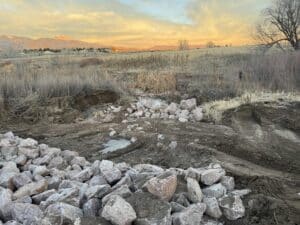
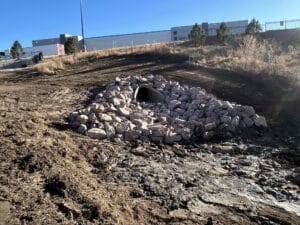
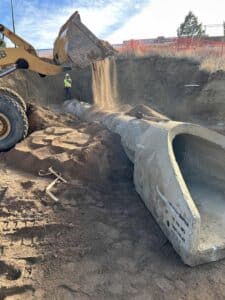
Hammers Construction provides full-service stormwater management solutions, from initial assessment through long-term maintenance. Our team works with owners, developers, and municipalities to ensure systems are designed correctly, built efficiently, and maintained properly.

We structure our stormwater services around four key phases.

Establish: Design, Build, and Permit

We design and build stormwater systems from the ground up, including permitting and coordination with local jurisdictions. Our experience with municipal requirements helps streamline approvals and avoid delays.

Common systems we establish include:

  • Forebays
  • Trickle channels
  • Micro pools
  • Extended detention basins
  • Upper-stage stormwater features

Enhance: Repairs and Compliance Corrections

If an existing system is not functioning properly or has failed inspection, we step in to correct deficiencies and bring the site back into compliance.

This often includes:

  • Repairing trickle channels, pads, and ponds
  • Addressing retaining walls and structural elements
  • Modifying inlets and outlets to improve performance

Ensure: Ongoing Maintenance

Stormwater systems require regular maintenance to remain effective and compliant. We handle the ongoing work so property owners don’t have to.

Maintenance services include:

  • Landscaping and vegetation control
  • Erosion and sediment control
  • Algae control
  • Mowing and trash removal

Evaluate: Monitoring and Reporting

Compliance does not end with installation. We provide hands-on monitoring, inspections, and periodic reporting to keep your property aligned with permit requirements and local agreements.

Our Stormwater Process

Every property and site is different, which is why we take a straightforward, step-by-step approach.

  • Step 1: Assess Our team evaluates your existing stormwater system or proposed site conditions and identifies areas that need improvement or adjustment.
  • Step 2: Plan We develop a cost-effective stormwater management plan designed to prevent runoff from entering local water supplies while meeting all regulatory requirements.
  • Step 3: Execute Once the plan is approved, we build and implement the necessary stormwater structures and controls to keep your project compliant and functional.

Experience You Can Rely On

Hammers Construction has decades of experience delivering commercial and municipal projects throughout Colorado. We understand the additional requirements that come with public-sector work, complex permitting environments, and inspection-driven schedules.

Our clients rely on us not just to build, but to navigate regulations, coordinate with agencies, and solve problems before they become delays.


Protect Your Project and Your Business

Stormwater management is about more than compliance. It is about protecting your project, your reputation, and your long-term investment. Whether you need to update an existing system, address inspection concerns, or design stormwater controls for a new development, Hammers Construction is ready to help.

Contact us today to request a quote or to learn more about stormwater management solutions in Colorado Springs and Denver.

One team. One contract. One shared vision for your success.

If you’ve ever started a commercial project and felt overwhelmed by all the moving parts, multiple contracts, delayed communication, and surprise costs, you’ve experienced the old-school way of building. Traditional methods separate design and construction, which can create confusion, finger-pointing, and wasted time.

At Hammers Construction, we take a different approach. Our design-build process brings every part of your project together under one roof, from concept and design to construction and completion. The result is a faster, smoother experience with better communication and greater control over cost and schedule.

Overview

In this article, we’ll cover:

  • The difference between design-build and design-bid-build
  • How the Hammers Construction design-build process works from start to finish
  • Why design-building leads to better communication, faster timelines, and stronger outcomes
  • What common myths still exist about the design-build model
  • How our local ability gives Colorado businesses a clear advantage

What is Design-Build (and Why It’s Different)

Design-build is a project delivery method where one team handles both the design and construction phases under a single contract. That means you have one point of contact, one source of accountability, and one cohesive team working toward your vision.

Traditional design-bid-build separates those responsibilities. You hire an architect to design your project, then bid it out to contractors, hoping the numbers align. It’s a fragmented system that often leads to cost overruns, miscommunication, and delays.

Design-build eliminates that gap. Collaboration starts early and continues through every stage of the project. Architects, engineers, and builders work side by side to align design intent, budget, and constructability from day one.

The Hammers Construction Design-Build Process

For over 30 years, we’ve refined a design-build system that keeps projects efficient, transparent, and stress-free.

Here’s how our process works:

  • Step 1: Discovery and Feasibility We start by understanding your goals, budget, and site conditions. Our team studies your vision, analyzes zoning and permitting needs, and develops an initial cost framework.
  • Step 2: Design and Pre-Construction Our architects and estimators collaborate from the start. This early alignment prevents scope creep and surprises later. We also identify long-lead materials and lock in pricing where possible.
  • Step 3: Permitting and Procurement With deep local experience in Colorado’s regulatory environment, we manage submittals, utility coordination, and procurement efficiently. This step helps prevent delays and keeps schedules predictable.
  • Step 4: Construction and Communication Once construction begins, the same team that designed your project stays by your side. You get regular progress updates, schedule transparency, and real-time cost tracking. No surprises, no disconnect.
  • Step 5: Project Closeout and Beyond We finish strong. From final inspections and warranty coordination to maintenance guidance, we make sure your facility performs long after we hand you the keys.

Why Design-Build Works Better for Colorado Businesses

Colorado’s construction market moves quickly. Between variable weather, permitting timelines, and material costs, every project benefits from speed and collaboration.

Because design and construction overlap in the design-build model, schedules move faster, budgets stay tighter, and communication stays clear. Our integrated team also brings local knowledge of building codes, zoning, and regional vendors, key advantages for any project along the Front Range.

Common Myths About Design-Build

Let’s clear up a few common misconceptions we hear:

  • Myth 1: Design-build is only for large projects. Not true. It’s scalable and works for everything from small tenant improvements to complex ground-up developments.
  • Myth 2: Owners lose control over design. Actually, you gain more control. Because the entire team collaborates early, your ideas are refined with real-time cost and constructability feedback.
  • Myth 3: It’s more expensive. Design-build reduces costly change orders and schedule delays, often making it the most cost-effective approach in the long run. On average, clients save 30% by using the design build method.
  • Myth 4: It limits creativity. Our design-build team includes designers, engineers, and trade experts who all collaborate to bring your vision to life, efficiently and creatively.

Conclusion

At Hammers Construction, design-build isn’t just a delivery method, it’s our philosophy. We believe that collaboration, communication, and accountability lead to better projects and happier clients.

If you’re planning a commercial project in Colorado, our design-build team is ready to help you bring your vision to life.


Frequently Asked Questions

What is the biggest benefit of design-build?

You get a single point of responsibility, which eliminates miscommunication and helps ensure your project is delivered on time and within budget.

Can I still choose design elements I care about?

Absolutely. Design-build enhances your involvement. You stay part of every design milestone with clear visuals, pricing, and options before decisions are made.

Is design-build faster than traditional construction?

Yes. Because design and construction phases overlap, design-build projects typically finish 30% faster on average.

Does design-build mean lower quality?

Not at all. In fact, collaboration across disciplines often leads to higher-quality outcomes because everyone is focused on performance, not just design aesthetics or cost.

What types of projects work best for design-build?

Commercial offices, retail centers, development projects, medical and dental clinics, and tenant improvements all benefit from this streamlined process.

In cities like Colorado Springs, which are seeing more interest in commercial spaces than other parts of the country, commercial projects often come down to a key decision: move forward with a tenant improvement project or start from the ground up. Both options create functional, branded spaces, but they differ in cost, schedule, and long-term return. 

Business owners, investors, and developers in Colorado Springs and Denver benefit from weighing these factors carefully before committing. This blog post will explore the differences between the two options to help you determine which is better for your commercial project.

Understanding Tenant Improvements: Cost, Timeline, and Business Impact

Tenant improvement (TI) projects (also called tenant upfit, tenant fit-up, or TI build-outs) focus on modifying an existing property to fit operational needs. Offices, retail stores, restaurants, and light industrial users often adopt this approach if they need to occupy an existing space quickly. Here are a few reasons why:

  • Cost efficiency: TI is generally more affordable. Because there is already a building shell, expenses center on interior finishes, layout modifications, and system upgrades. In many Colorado lease agreements, landlords offer a tenant improvement allowance to offset costs and lower upfront capital requirements.
  • Faster delivery: TI projects often move from design to occupancy in a matter of months. Existing infrastructure simplifies permitting, especially in jurisdictions like Colorado Springs, where turnaround times for commercial permits are favorable. This makes TI an attractive option for companies looking to expand or relocate quickly.
  • Business fit: Going the tenant improvement route lets organizations customize leased or owned space to match current operations. The trade-off is that structural limitations may restrict future growth or highly specialized build-outs.

Ground-Up Construction: Investment, Flexibility, and Long-Term Value

Ground-up development requires more time and capital than tenant improvement, but it creates a facility that is designed entirely around your business objectives. This option is more common in cities like Denver, where high demand for commercial property drives investor interest in long-term equity. However, the strategy can be applied anywhere in the state of Colorado.

Here are a few things to consider with ground-up construction for a commercial project:

  • Capital investment. Costs extend beyond construction and include land acquisition, site work, and infrastructure. Ground-up development often involves construction loans or investor partnerships, making it a larger financial commitment.
  • Design flexibility. New builds provide complete control over site layout, building systems, and finishes. From energy-efficient design to industry-specific workflows, a ground-up project ensures the facility aligns with both present operations and future expansion.
  • Long-term value. A custom building is an asset that can appreciate, strengthen resale opportunities, or deliver steady lease income. The long-term ROI on a ground-up facility can outweigh the higher upfront costs.

Comparing Which Approach Delivers the Best ROI for Your Business

Retailers seeking quick openings may find TI the most practical solution, while manufacturers with technical workflows or investors seeking long-term equity may see stronger returns in ground-up development.

Overall, though, the best option for your unique needs will depend on your business objectives, capital strategy, and location.

  • Cost: TI projects in Colorado Springs and Denver typically offer lower upfront costs, particularly with landlord allowances. Ground-up projects demand more capital but generate equity.
  • Timeline: TI offers speed to occupancy, and it’s often completed within just a few months. Meanwhile, ground-up projects can take several years from land purchase to ribbon-cutting.
  • Flexibility: TI adapts existing spaces, but there are limits to the layout. Ground-up delivers complete control and scalability.

Partner with Hammers Construction for the Right Building Solution

Hammers Construction works with business owners and investors in Colorado to evaluate tenant improvement projects and ground-up developments. Our team navigates jurisdictional requirements, cost control, and scheduling to deliver projects that meet strategic goals. 

Whether you need to occupy a customized space quickly or invest in a purpose-built facility, we provide the expertise to ensure your project delivers value today and in the future. Contact us to learn more.


Image credit: // Shutterstock // graja

KEY TAKEAWAYS:

  • Proper grading and drainage are the foundation of successful land development projects.
  • Site preparation, soil conditions, and water management directly impact stability, safety, and
    long-term value.
  • Poor grading can lead to flooding, erosion, and structural issues.
  • Experienced contractors ensure grading and drainage are handled with precision, protecting
    your investment.


The Foundation of Land Development Projects

Every building starts with a strong foundation, but before concrete is poured or steel is set, the land itself must be prepared. In land development projects, grading and drainage are two of the most important (and the most overlooked) steps in the process. Done correctly, they set the stage for everything that follows. Done poorly, they can create long-term problems that are costly, disruptive, and sometimes impossible to fully fix.

The Role of Grading and Drainage in Land Development Projects - Hammers Construction


Why Grading Matters

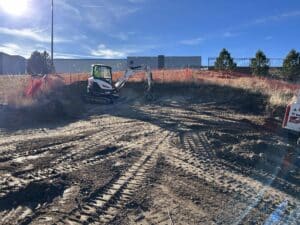
Grading is the process of shaping the land’s surface to create a level base for construction while
managing how water flows across the site. In site preparation, grading ensures:

  • Proper building pad elevation: Prevents water from pooling near foundations.
  • Stable slopes: Reduces risks of erosion and landslides.
  • Efficient circulation: Creates smooth surfaces for roads, parking lots, and accessibility.

Without proper grading, a site can quickly turn into a liability. Standing water, uneven surfaces, and soil instability can derail even the most well-planned development.


The Role of Drainage in Land Development Projects

Drainage goes hand-in-hand with grading. It directs water safely away from structures, roadways, and public areas. In land development projects, effective drainage systems:

  • Protect foundations from water damage
  • Prevent flooding in parking lots and common areas
  • Reduce soil erosion and sediment buildup
  • Support compliance with stormwater regulations

Poor drainage can create a domino effect — flooding basements, damaging pavement, and undermining landscaping. Over time, these issues increase maintenance costs and diminish property value.

The Role of Grading and Drainage in Land Development Projects - Hammers Construction

Colorado’s Unique Challenges

Here in Colorado, land development requires careful planning for both grading and drainage. Our varied terrain, from plains to foothills, creates unique challenges for slope stability and water flow. Add in sudden storms or heavy snowmelt, and you have conditions where drainage mistakes become costly fast.


That’s why it’s critical to partner with contractors who understand local soil conditions, building codes, and stormwater management requirements. A one-size-fits-all approach won’t cut it in Colorado.


The Importance of Professional Expertise

Grading and drainage aren’t tasks you can leave to chance. They require detailed project management, civil engineering insight, and construction expertise. At Hammers Construction, we:

  • Evaluate soil conditions to determine stability
  • Plan grading to balance cut-and-fill for cost efficiency
  • Design drainage systems that align with local codes and site needs
  • Coordinate with engineers and inspectors to ensure compliance

By addressing grading and drainage early, we help business owners avoid costly surprises and keep their land development projects moving forward.


Protecting Your Investment

Proper site preparation protects your structures, enhances safety, and ensures your development stands the test of time. Without the right grading and drainage, even the best-designed building can face costly problems down the road. At Hammers Construction, we know that every great building begins with great groundwork. Our team brings decades of experience in land development projects, handling everything from soil evaluation and grading to drainage and infrastructure planning.

When you partner with us, you’re not just getting a construction crew; you’re getting trusted, local experts dedicated to building safe, stable, and valuable developments from the ground up. We take pride in preparing sites that give our clients peace of mind long after the ribbon is cut.

Planning your next project? Let’s make sure it starts on solid ground. Contact Hammers Construction today to learn more about our land development services!

What to Expect in Colorado’s Growing Land Development Markets

KEY TAKEAWAYS:

  • Land development in Colorado is evolving rapidly, with trends focused on urban expansion and mixed-use developments.
  • The demand for efficient infrastructure and connectivity is driving development projects.
  • As Colorado’s population continues to grow, land development will play a key role in shaping future communities.


As Colorado’s population continues to grow, particularly in bustling hubs like Colorado Springs and Denver, the demand for commercial and residential spaces is higher than ever. In response, the land development sector is evolving to meet the needs of a modern, dynamic population. From mixed-use developments to increased emphasis on connectivity, strategic development in Colorado is on the rise, and these shifts are reshaping the way we think about space, community, and the future of urban living.

Land Development - Hammers Construction
Land Development – Hammers Construction


Growing Demand for Mixed-Use Developments

One of the most noticeable trends in Colorado’s commercial landscape is the increasing demand for mixed-use developments. These projects combine residential, commercial, and recreational spaces in one location, offering a “live, work, play” environment. As more people seek convenience and walkability, mixed-use spaces are becoming a top priority for developers in Colorado Springs and Denver.

Mixed-use developments are an excellent way to maximize the use of available land while providing a more sustainable living environment for residents and businesses. These developments not only offer residents the convenience of having shops, offices, and leisure spaces just steps from their front door, but they also create vibrant, self-sustaining communities.

As land development continues to adapt to market demand, it’s clear that the future lies in creating spaces that blend lifestyle and functionality.


Infrastructure and Connectivity: The Backbone of Future Communities

Another significant trend shaping the future of land development in Colorado is a growing emphasis on infrastructure and connectivity. As urban areas expand, the need for efficient roads, utilities, and public transportation has never been greater. Developers are now focusing on creating neighborhoods that are well-connected to the rest of the city, ensuring that residents and businesses can easily access essential services.

This trend is especially relevant in rapidly growing areas like Denver’s suburban regions and Colorado Springs, where new development projects must account for long-term growth. The key to successful land development in these areas lies in robust planning, from transportation systems that facilitate commuting to reliable utility systems that ensure consistent service for new buildings and businesses.

By investing in infrastructure during the planning stages, developers can avoid costly delays and complications later on. This means working closely with municipalities, architects, and engineers to ensure all aspects of infrastructure are seamlessly integrated into their development projects.


Affordable Housing: A Key Component of Future Development

As cities like Colorado Springs and Denver continue to experience rapid population growth, affordable housing has become a critical component of land development. With housing prices climbing, many individuals and families are struggling to find affordable options in both urban and suburban areas.

As demand increases, developers are looking for ways to incorporate affordable housing into their projects without compromising the quality of life for residents or the profitability of the development. This shift toward affordable housing will likely continue to grow as cities strive to make room for their expanding populations while addressing the housing crisis.


What’s Next for Land Development in Colorado?

As Colorado’s commercial sector continues to evolve, the next few years will bring exciting changes and challenges. The push for mixed-use developments, better infrastructure, affordable housing, and technology integration will shape the cities of tomorrow. For Colorado Springs and Denver, this means more dynamic, well-connected, and sustainable communities that are designed to support growth and innovation.

At Hammers Construction, we’re ready to lead the charge in shaping Colorado’s future through thoughtful and well-executed commercial development. Whether it’s transforming raw land into vibrant commercial spaces or creating the next great community, we’re committed to delivering projects that are built to last.

Want to learn more about how land development can impact your property or business? Get in touch with us today, and let us bring your vision for the future to life!


KEY TAKEAWAYS:

  • The success of land development projects often begins with selecting the right lot.
  • Zoning, accessibility, utility availability, and topography all play critical roles in your decision.
  • Partnering with experienced professionals ensures a smoother development process and better long-term results.


When it comes to land development projects, choosing the right lot is one of the most important decisions you’ll make. Whether you’re building a new commercial space, a healthcare facility, or a mixed-use property, the location and characteristics of the land will significantly impact everything from permitting and construction timelines to long-term property value.

At Hammers Construction, we’ve helped countless clients choose the right lot for their land development projects. Let’s talk about some essential factors to consider when selecting a lot for your next project — and how to avoid common pitfalls.

Land Development Projects - Hammers Construction
Land Development Projects – Hammers Construction


Why Lot Selection Matters in Land Development Projects

Not all lots are created equal. What looks like a great piece of real estate on the surface may hide costly challenges underneath — literally and figuratively. Issues such as poor soil quality, difficult access, zoning conflicts, or utility limitations can stall or derail even the best-planned land development projects. A well-chosen lot, on the other hand, helps ensure your project proceeds efficiently, stays within budget, and serves your long-term business needs.


Key Factors to Consider Before You Buy

1). Zoning and Land Use Restrictions

Before anything else, confirm the zoning designation of the property and ensure your intended use is permitted. Rezoning is possible but often time-consuming and uncertain. It’s smarter to start with a lot that’s already zoned for your desired purpose.


2). Accessibility and Visibility

For most commercial developments, location is everything. Consider proximity to major roads, customer traffic patterns, and how visible your building will be from the street. Easy access for deliveries, customers, and employees can add value to your business for years to come.


3). Utilities and Infrastructure

Are essential services like water, sewer, electricity, gas, and internet readily available? If not, extending them can add substantial costs to your land development project — not to mention, delays. It’s important to confirm utility access early in your site selection process.


4). Topography and Soil Conditions

A site with uneven terrain, flood risk, or poor soil can create construction challenges. A geotechnical evaluation can help you understand what’s under the surface and how it may affect your project. Grading, drainage, and foundation requirements should all be factored into your planning.


5). Environmental and Regulatory Considerations

Are there wetlands, protected habitats, or other environmental concerns on the property? Environmental permits can slow down land development and require special compliance efforts. It’s best to investigate early to avoid surprises.


The Advantage of a Trusted Construction Partner

Evaluating land for development is no small task, but you don’t have to go it alone. Working with an experienced design-build contractor can make all the difference. At Hammers Construction, our team helps clients evaluate potential lots from every angle — zoning, access, utilities, and buildability — before they invest. We’ll also manage all phases of your project, from initial site work through final build-out.


Start Your Land Development Project Today

Choosing the right lot sets the tone for the entire success of your development project. It affects timelines, costs, and how well your future building meets the needs of your business. At Hammers Construction, we specialize in turning land into opportunity. From site selection to final inspection, our team is here to guide you every step of the way. Contact us today to start planning your next land development project!


KEY TAKEAWAYS:

  • Spring provides ideal conditions for launching land development
  • Mild weather allows for smoother excavation, grading, and site preparation.
  • Planning ahead in spring can help avoid costly summer delays.
  • Partnering with an experienced contractor is key to successful land development.


When it comes to land development projects, timing can make a major difference. Starting your project during the spring can give you a critical advantage in terms of weather, scheduling, and overall project success. As the days grow longer and the temperatures start to rise, the conditions for clearing, grading, and preparing your site improve dramatically compared to the challenges of winter or the intense heat of summer.

If you’re planning a commercial or residential project this year, spring offers the perfect window of opportunity to turn a piece of raw land into the foundation for something great.

Land Development - Hammers Construction
Land Development – Hammers Construction

Why Spring Is Ideal for Land Development Projects

Spring brings a unique combination of milder temperatures, thawed ground, and manageable rainfall that creates favorable conditions for starting land development. In many areas, the soil is easier to work with after the winter frost has melted but before the intense summer heat bakes the ground solid.

Excavation crews can move more efficiently, and heavy equipment operates more effectively when the ground isn’t frozen or overly saturated. Plus, spring’s moderate weather reduces the risk of weather-related delays that are common during both the icy winter months and unpredictable summer storm seasons.

By beginning land development in spring, property owners can stay ahead of the summer construction rush. Once warmer weather arrives in full force, contractors’ schedules fill up quickly. Getting a head start in spring helps ensure your project remains on schedule — and on budget.


Key Benefits of Launching Land Development in Spring

When you choose to start your development project in the spring, you’re setting yourself up for success in several important ways:


1). Easier Site Preparation

The earlier you clear and grade your land, the sooner your project can move forward. Spring weather allows for easier removal of vegetation, debris, and any winter damage that may have occurred.


2). Better Soil Conditions

In the spring, soil typically has the right balance of moisture and firmness to support excavation and foundation work. This makes grading, trenching, and laying foundations more efficient and less prone to setbacks.


3). Streamlined Permitting and Approvals

Many municipalities experience a surge in permit applications during the summer. Starting your development project in spring can help you navigate permitting and inspections faster, avoiding the bottlenecks that often occur later in the year.


4). Longer Construction Season

Breaking ground in spring gives you a head start on construction, giving crews more time to complete work before colder months return. A longer construction season often leads to better-quality outcomes and fewer rushed decisions.


Partner with the Right Team for Spring Land Development

While spring offers ideal conditions, the success of any development project still depends heavily on working with the right contractor. Proper planning, expert site evaluation, and a clear understanding of local regulations are all critical to keeping a project on track.

At Hammers Construction, we bring years of experience to every project. Our team handles everything from initial site assessments to final grading, ensuring your project starts strong and stays strong through every phase of development. We understand the nuances of spring construction and know how to maximize this valuable season to your advantage!


Ready to Break Ground This Spring?

If you’re planning a ground-up commercial project, spring is the perfect time to get started. At Hammers Construction, we’re here to guide you from the first shovel in the dirt to the final handover of your site.

Contact Hammers Construction today to schedule a consultation and take the first step toward turning your land into something extraordinary!