
How Much Does Commercial Construction Cost in Colorado Springs?
Why the answer is never one number, and what actually determines your budget.
It’s the first question almost every business owner asks when they’re thinking about building. And it’s the question that’s hardest to answer honestly without knowing more about your project.
The truth is, commercial construction cost isn’t a single number, it’s the output of dozens of decisions, site conditions, and variables that are unique to every project. A contractor who gives you a confident per-square-foot figure before asking any questions about your project should give you pause. That number isn’t based on your build. It’s a guess dressed up as an estimate.
What we can do is walk you through what actually drives cost, so you can have a smarter conversation with any contractor, and so you know what questions to ask before you ever break ground.
Project Type Changes Everything
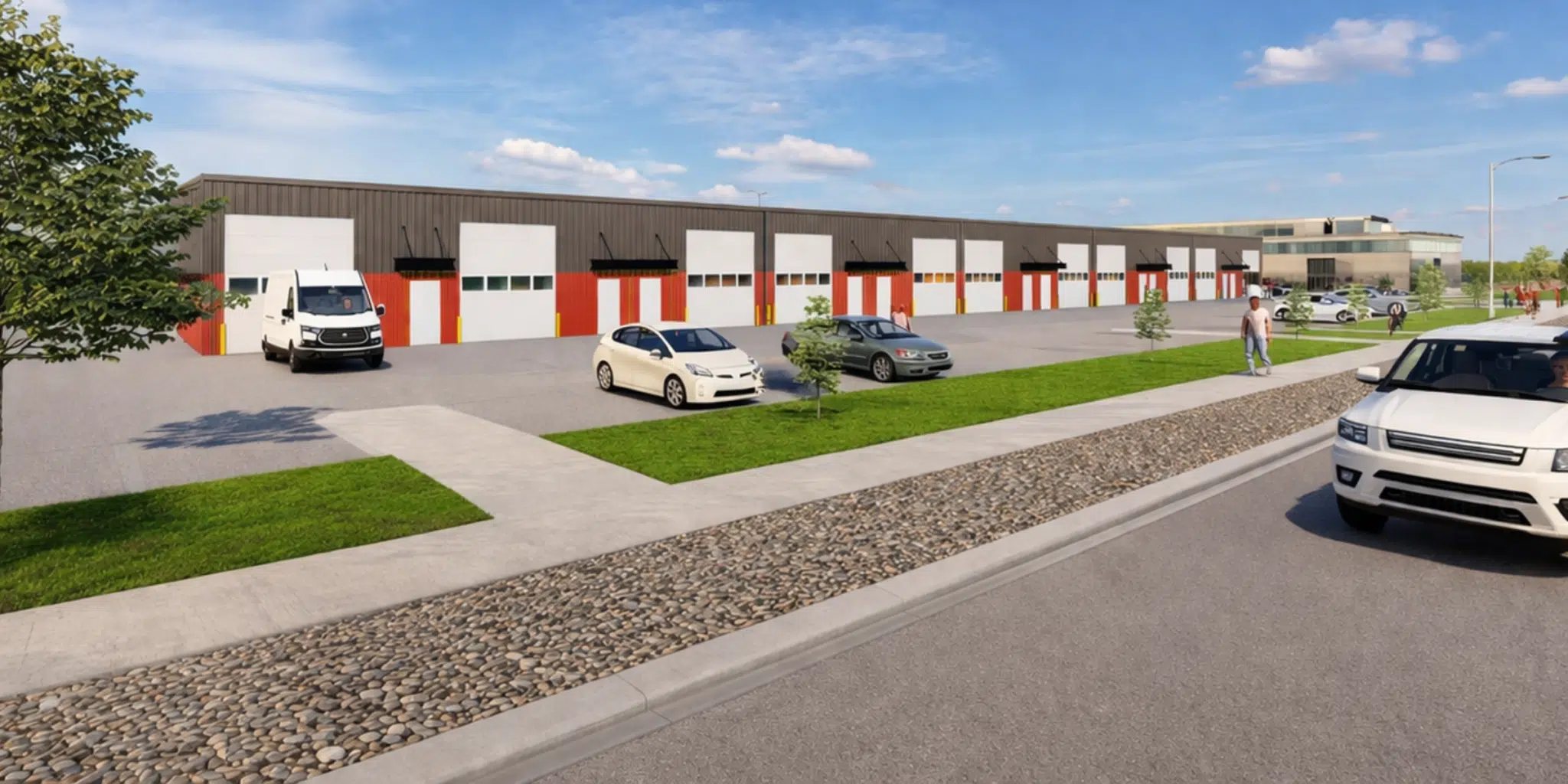
A warehouse shell, a dental office, and a restaurant kitchen are all “commercial construction”, but they have almost nothing in common from a cost standpoint. The systems required, the code compliance involved, the finish expectations, and the specialized trades needed vary dramatically by use type.
A medical or dental office, for example, requires specialized plumbing, ventilation, and compliance considerations that a general office building simply doesn’t. A restaurant build involves kitchen infrastructure, grease management, and health department requirements that add significant complexity. A warehouse prioritizes function over finish, which typically means a very different cost profile.
Before you can have a meaningful cost conversation, you need to be able to describe what the building actually needs to do, not just how many square feet it is.
Ground-Up vs. Tenant Improvement: Different Scopes, Different Math
Building from scratch on raw land and renovating an existing space are fundamentally different projects with fundamentally different cost structures. Ground-up construction gives you full control over the layout, systems, and finish from day one, but it also means accounting for site work, utilities, permitting, and everything else that comes with starting from a blank lot. Tenant improvements can be faster and more cost-effective when the existing space is a strong fit, but hidden conditions, outdated electrical, inadequate HVAC capacity, structural limitations, can surface change the math quickly.
A contractor who has done both extensively can help you evaluate which path makes more sense for your situation before you commit to either one.


Site Conditions Are a Wild Card in Colorado Springs
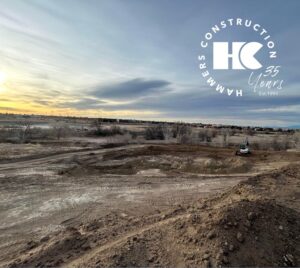
Colorado Springs has its own set of site challenges that don’t show up in national cost guides. Expansive soils in parts of El Paso County can require engineered foundations that add cost and time. Elevation, drainage patterns, and proximity to floodplains all affect what site preparation is required before a single wall goes up. Grading and stormwater management requirements vary by location and can be a significant line item.
This is why local experience matters. A contractor who has built extensively in Colorado Springs knows which questions to ask about a site before you’re under contract on it, not after. Identifying site risk early is one of the most valuable things an experienced local contractor brings to the table.
Don’t Forget the Soft Costs
Hard construction costs, labor and materials, are only part of the budget. Soft costs are the expenses that surround a project but don’t show up in the framing or the finishes. They include:
- Design and engineering fees
- Permitting and inspection fees with the City of Colorado Springs or El Paso County
- Land acquisition costs (if applicable)
- Financing costs and interest during construction
- Furniture, fixtures, and equipment
- Moving and operational setup costs
Experienced builders will help you account for these upfront so your total project budget reflects reality, not just the construction contract.


How Design-Build Protects Your Budget
One of the most common sources of cost overruns in commercial construction isn’t the build itself, it’s the disconnect between design and construction. When an architect designs something without real-time input from the builder, the result is often a set of plans that look great on paper but cost significantly more to execute than expected.
A true design-build contractor eliminates that gap. Design and construction happen under one roof, with one team accountable for both. That means cost implications are evaluated during design, not discovered during construction when changes are expensive. It also means fewer surprises, faster decisions, and a budget that holds.
Hammers Construction is one of the only true design-build contractors in Colorado. We’ve been building in Colorado Springs for over 35 years, and our model is built around protecting our clients’ time and money from the first conversation to the final walkthrough.
So, What Will It Actually Cost?
The honest answer is: it depends on your project, your site, your timeline, and your goals. But “it depends” is a starting point, not a dead end. The right contractor will take those variables seriously, ask the right questions, and give you a real picture of what your specific build will require.
We’ve built medical offices, fire stations, veterinary clinics, warehouses, restaurants, retail spaces, and more across Colorado Springs and the Front Range. We can tell you quickly whether a project is realistic for your budget, and if adjustments are needed to get there, we’ll tell you that too.
If you’re in the early stages of planning a commercial build in Colorado Springs, start the conversation with Hammers. Call us at 719-570-1599 or reach out through our website. There’s no commitment, just a straight conversation about what it’s going to take to build what you need.