KEY TAKEAWAYS:

  • Tenant improvements can transform even the smallest spaces into efficient, branded environments.
  • Small businesses benefit from creative, multifunctional layouts that support both customer experience and team productivity.
  • Partnering with the right construction team ensures your vision becomes a reality — on time and on budget.


Why Small Businesses Should Invest in Thoughtful Tenant Improvements

When you’re running a small business, every square foot counts. Whether you’re launching a boutique, café, office, or studio, your space needs to do more than look good; it needs to work hard. That’s where creative tenant improvements come in.

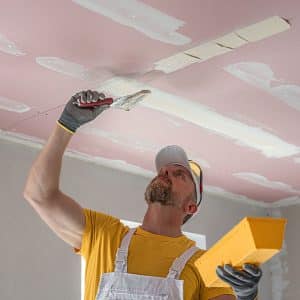
Tenant Improvements - Hammers Construction
Tenant Improvements – Hammers Construction

Tenant improvements give you the power to make any space your own. From custom layouts and storage solutions to lighting and branding, the right buildout can make your business feel polished, professional, and perfectly tailored to your needs. The key is thinking strategically — and creatively — about how to use your space.


Small Space, Big Impact: Creative Ideas for Tenant Improvements

Just because your square footage is limited doesn’t mean your options are. Here are some creative ways to make your improvements go the extra mile:


1). Go Vertical

When floor space is tight, think up—not out. Wall-mounted shelving, vertical storage units, and even plant walls can add functionality and style without sacrificing room to move. Offices can benefit from vertical whiteboards or storage cabinets, while retail shops can display products on tall, attractive shelving that draws the eye.


2). Create Multi-Use Zones

Multifunctional areas are a game-changer for small businesses. A meeting room that doubles as a client waiting area, or a break room that functions as overflow workspace, helps you get more use out of every inch. These kinds of improvements require thoughtful design — but the payoff is huge in flexibility.


3). Maximize Natural Light

If your space has windows, make the most of them. Natural light makes spaces feel larger, improves mood, and reduces the need for artificial lighting. Glass partitions are a smart way to separate spaces while letting light pass through — perfect for small offices or salons that want privacy without feeling boxed in.


4). Brand It From the Ground Up

Your space should reflect your brand. Use tenant improvements to include custom paint colors, signage, flooring, or fixtures that match your business identity. Even small touches like a branded feature wall or customized lighting can make a big impression on customers.


5). Smart Storage Solutions

Small spaces demand clever storage. Built-ins, under-counter cabinets, and even hidden storage beneath seating can help you stay organized without cluttering your space. For retail or food service, consider movable carts or modular shelving that can be adjusted as your needs evolve.


6). Soundproofing and Acoustics

If your business relies on conversation — like therapy, tutoring, or consulting — consider acoustic improvements like soundproof panels or insulated walls. They’ll keep things private and professional, even in close quarters.


Tenant Improvements That Support Growth

Small businesses are constantly evolving — and your space should be able to evolve with you. One of the biggest benefits of tenant improvements is the ability to create a space that fits your current needs while allowing for future flexibility. Modular layouts, movable walls, and infrastructure for future tech upgrades are all smart choices for businesses expecting to grow.

At Hammers Construction, we’ve seen firsthand how even modest improvements can have a major impact. When done right, they don’t just change your space — they help change the way you do business.


Ready to Build a Better Business Space?

At Hammers Construction, we specialize in tenant improvements that bring small business dreams to life. Whether you’re starting from scratch or refreshing an existing space, our team is here to guide you through every step of the process — from design to delivery.

Let’s turn your vision into reality. Contact Hammers Construction today to start planning your next improvement project!


KEY TAKEAWAYS:

  • Smart retail construction starts with the right location, an intentional layout, and strategic lighting.
  • Each “L” works together to boost foot traffic, enhance the shopping experience, and support sales goals.
  • Small adjustments in layout or lighting can have a major impact on customer behavior and overall success.


Location, Layout, and Lighting

When it comes to retail success, what’s behind the walls matters just as much as what’s on the shelves. Whether you’re building a boutique, a big-box store, or anything in between, the foundation of a thriving retail space starts with smart construction decisions. From choosing the perfect location to creating a layout that flows and lighting that sells — retail construction is all about strategy. Let’s break down the “Three L’s” that can make or break your next build: Location, Layout, and Lighting.


Why Location Still Reigns Supreme in Retail Construction

We’ve all heard the phrase, “location, location, location”— and in retail construction, it’s more than just a cliché. The physical site of your store influences everything from visibility and foot traffic to parking accessibility and proximity to competitors.

Retail Construction - Hammers Construction
Retail Construction – Hammers Construction

When choosing a site, it’s important to consider both your target audience and your long-term business goals. Are you aiming for walk-in customers or destination shoppers? Is there adequate space for future expansion or seasonal signage? These are questions your builder and design team should help you answer early on. A well-positioned retail space becomes a magnet for customers, and your construction strategy should reflect that from day one.


The Importance of Thoughtful Layout in Retail Construction 

Once the location is set, the layout takes center stage. An effective store layout does more than just “look nice”— it guides customers through your space intuitively, drawing attention to key products and making the shopping experience seamless.

In retail construction, layout planning should include a balance of aesthetics and function. Think traffic flow, sightlines, and shelf positioning. For example:


  • Grid layouts (often used in grocery stores) encourage exploration and maximize product exposure.
  • Loop or racetrack layouts create a natural path that helps customers see everything without feeling overwhelmed.
  • Free-flow layouts (popular in boutiques) allow for a more relaxed, exploratory experience.


Lighting: The Final Piece That Ties It All Together

Lighting might be the most underestimated element in retail construction, but it plays a powerful role in how your products are perceived and how your space feels.

Natural light can make your store feel open and inviting, while focused lighting can highlight bestsellers or create mood around premium items. Color temperature also matters — cool lighting may work well in a high-tech store, while warm tones are ideal for cozy environments like bookstores or boutiques.

The goal is to use lighting to guide your customers, not distract them. When done right, it subtly encourages shoppers to linger longer and interact more deeply with your products.


Smart Retail Construction Is All About Balance 

Great retail design happens when location, layout, and lighting are considered as a cohesive whole — not as separate checkboxes. When all three elements are aligned with your brand and business goals, the result is a space that not only looks incredible, but also works hard behind the scenes to drive sales and improve customer satisfaction.

Whether you’re opening your very first storefront or expanding to a new location, it pays to work with a team that understands the unique demands of retail design from the ground up.


Ready to Build a Smarter Retail Space? 

At Hammers Construction, we specialize in construction that blends functionality, style, and strategy. Our design-build approach ensures that every square foot of your store is optimized for success — from prime locations to layout planning and lighting design.

Let’s build something great together. Contact Hammers Construction today to start planning your next retail project!


KEY TAKEAWAYS:

  • There are several types of construction contracts, each suited for different project needs and risks.
  • The most common contract types include lump sum, cost-plus, time and materials, and unit price contracts.
  • Choosing the right contract helps manage costs, timelines, and responsibilities efficiently.


Construction Contracts Matter

When starting a construction project, one of the most critical decisions is selecting the right contract. The types of construction contracts used can impact everything from project costs to risk management and payment structures. Whether you’re a business owner looking to build a commercial space or a contractor managing multiple projects, understanding these contract options is essential.

Construction Contract - Hammers Construction
Construction Contract – Hammers Construction

Each contract type offers different advantages and considerations. Let’s explore the most common types of construction contracts and how they work.


Common Types of Construction Contracts

Lump Sum Contracts: The Fixed-Price Option

A lump sum contract, also known as a fixed-price contract, is one of the simplest and most commonly used agreements in construction. In this type of contract, the total project cost is agreed upon upfront.


Pros:

  • Predictable costs with no surprises.
  • Simplifies budgeting and financing.
  • Encourages efficiency from contractors.


Cons:

  • Less flexibility if unforeseen changes arise.
  • Higher risk for contractors who must cover unexpected expenses.
  • Lump sum contracts are ideal for well-defined projects where the scope and requirements are clear from the beginning.


Cost-Plus Contracts: Paying for Flexibility

A cost-plus contract is structured so that the client pays for actual construction costs plus a predetermined percentage or fixed fee for the contractor’s profit. This option works well for projects where the scope is not fully defined.


Pros:

  • Greater flexibility for adjustments and design changes.
  • Ensures quality work without cutting corners to meet a fixed price.


Cons:

  • Costs can increase if not carefully monitored.
  • Requires detailed tracking of expenses.
  • This contract type is often used for complex or high-end projects where customization is key.


Time and Materials Contracts: Paying for What You Use

Under a time and materials contract, clients pay based on the time spent on the project and the materials used. Rates for labor and materials are agreed upon beforehand, making it a flexible approach for projects with evolving scopes.


Pros:

  • Adaptable to project changes and unexpected circumstances.
  • Transparent cost breakdown.


Cons:

  • Costs can escalate if the project takes longer than expected.
  • Requires close supervision to prevent inefficiencies.
  • This contract is often used for renovation projects or jobs where the scope isn’t fully defined at the outset.


Unit Price Contracts: Paying by the Task

A unit price contract breaks down the project into specific tasks or units of work, each with a fixed price. Payments are made based on completed work units rather than a total project sum.


Pros:

  • Clear pricing for each phase of the project.
  • Reduces disputes over cost calculations.


Cons:

  • The final cost can be uncertain if project quantities change.
  • Requires detailed tracking of unit progress.
  • Unit price contracts are common in roadwork, infrastructure projects, and jobs with repetitive tasks.


How to Choose the Right Construction Contract

When deciding between different types of construction contracts, consider the following:

  • Project Scope: Is it well-defined, or does it require flexibility?
  • Budget Stability: Do you need a fixed price, or are you comfortable with variable costs?
  • Risk Tolerance: Who will bear the financial risks — client or contractor?
  • Timeline Sensitivity: Do you need strict deadlines, or is a more adaptable timeline acceptable?


Each project is unique, and the right contract can ensure smoother execution, fewer disputes, and better financial control.


Hammers Construction: Your Partner in Construction Solutions

At Hammers Construction, we understand that every project has different needs. Whether you need a fixed-price approach, a flexible cost-plus contract, or a customized solution, our team will guide you in choosing the best types of construction contracts for your goals. Let us handle the complexities while you focus on the bigger picture. Contact Hammers Construction today to get started on your next project!


KEY TAKEAWAYS:

  • Turnkey construction is fully customizable to meet a client’s specific needs.
  • While the process is streamlined, customization options include layout, materials, finishes, and specialized features.
  • Choosing a turnkey approach provides a balance between efficiency and personalization.


The Flexibility of Turnkey Construction

When people hear the term turnkey construction, they often assume it means a one-size-fits-all approach. While turnkey projects do provide a streamlined and efficient process, they also offer room for customization. Whether you’re building a commercial space, retail store, or office, you don’t have to settle for a cookie-cutter design.

Turnkey Construction - Hammers Construction
Turnkey Construction – Hammers Construction

Turnkey construction allows business owners to enjoy a hassle-free building process while still incorporating unique design elements and functional features that suit their specific needs. Let’s explore how customization works within a turnkey projects.


What Can Be Customized?

Designing Your Ideal Space

One of the biggest misconceptions about turnkey construction is that the design is set in stone from the start. In reality, business owners have significant input in shaping their space. Layouts can be adjusted to improve workflow, maximize square footage, or accommodate special equipment. Whether you need an open-concept office, private meeting rooms, or specialized areas for production, turnkey construction can deliver.


Choosing High-Quality Materials and Finishes

Turnkey doesn’t mean limited options. Clients can choose from a variety of materials and finishes to match their brand, aesthetic, and budget. Flooring, cabinetry, lighting fixtures, wall colors, and exterior materials can all be selected to create a space that feels both functional and visually appealing.

For instance, a medical office might require durable, easy-to-clean surfaces, while a boutique retail store may want high-end finishes to create a luxury shopping experience. Turnkey allows for both practical and stylish choices.


Industry-Specific Customization

A restaurant will have different needs than a warehouse, and a corporate office will require different features than a fitness center. Turnkey projects can be tailored to meet these unique requirements, ensuring that the final build serves the client’s industry-specific needs.

Some examples of industry-specific customizations include:


  • Restaurants – Custom kitchen layouts, ventilation systems, and dining area designs.
  • Medical Facilities – Specialized plumbing, exam room layouts, and accessibility compliance.
  • Retail Spaces – Custom shelving, lighting configurations, and branding elements.
  • Warehouses – High-capacity storage solutions, reinforced flooring, and loading dock access.


The Advantages of Customizing a Turnkey Construction Project

Balancing Efficiency with Personalization

The biggest advantage of turnkey is the combination of efficiency and customization. Since the process is designed to streamline project completion, business owners can avoid the headaches of coordinating contractors and suppliers while still making important design decisions. This balance allows businesses to move into a newly built, ready-to-use space that reflects their unique needs.


Cost and Time Savings

Customization doesn’t have to mean delays or inflated budgets. Because turnkey projects follow a structured timeline, clients benefit from cost predictability and faster completion times. With everything planned from the beginning, there are fewer unexpected expenses or scheduling conflicts compared to traditional construction projects.


A Stress-Free Building Experience

Traditional construction projects often require business owners to manage multiple contractors, oversee budgets, and handle unforeseen challenges. With turnkey construction, the entire process is handled by one experienced team, reducing stress and allowing clients to focus on running their business. Customization is built into the process without adding unnecessary complexity.


Looking for a Customizable Solution? Let Us Help!

At Hammers Construction, we offer turnkey solutions that are newly built and ready to buy. Whether you need an office, retail space, or commercial building, our team ensures your new space meets your specific requirements while providing a smooth, hassle-free experience. Don’t settle for a space that doesn’t fit your needs — choose a turnkey project that’s built for success. Contact Hammers Construction today to explore your options!


KEY TAKEAWAYS: 

  • Some building repairs are safe and manageable as DIY projects, while others require a professional’s expertise.
  • Structural, electrical, plumbing, and HVAC repairs should almost always be handled by experts.
  • Attempting complex repairs on your own can lead to safety hazards and higher costs down the line.


Should You Tackle Building Repairs Yourself?

When something breaks in your building, your first instinct might be to fix it yourself. And in some cases, that’s perfectly fine. Minor cosmetic fixes like patching up small holes in drywall or replacing a broken tile are great DIY projects. But when it comes to more complex building repairs, going the DIY route can cost you more time, money, and stress than hiring a professional in the first place.

Building Repairs - Hammers Construction
Building Repairs – Hammers Construction

So how do you know when to pick up a toolbox and when to call in the experts? Let’s break it down.


When DIY Building Repairs Are an Option

If you have some experience and the right tools, there are a few types of repairs you might be able to handle yourself:


  • Minor Drywall Patching – Small dents and holes from everyday wear and tear are easy to fix with a little joint compound and a putty knife.
  • Basic Plumbing Fixes – Replacing a worn-out washer in a faucet or unclogging a drain can usually be done without calling a plumber.
  • Painting and Touch-Ups – Giving your walls a fresh coat of paint or fixing small scuffs is a simple and effective DIY job.
  • Replacing Door Hardware – Installing new locks, doorknobs, or hinges is straightforward if you have a screwdriver and a little patience.


While these repairs can be manageable, anything beyond simple fixes could create bigger problems if done incorrectly.


When to Call a Professional for Building Repairs

1). Structural Issues Need Expert Attention

If your building has cracks in the walls, a sagging ceiling, or foundation problems, those aren’t DIY-friendly repairs. Structural damage can compromise the safety of your building, and trying to fix it yourself could make the issue worse.

Professionals have the experience to diagnose and repair structural issues properly, ensuring the integrity of your building. If you notice signs of damage, it’s best to call an expert immediately.


2). Electrical and Plumbing Repairs Are Best Left to the Pros

Messing with wiring or plumbing without proper training can be dangerous and expensive. Faulty electrical work can lead to fires, and improper plumbing repairs can cause serious water damage. Here are some situations where you should call a licensed professional:


  • Frequent circuit breaker trips or flickering lights
  • Outlets that spark or feel warm to the touch
  • Burst pipes, water leaks, or low water pressure
  • Installing new electrical fixtures that require rewiring


3). HVAC and Roofing Repairs Require Special Skills

Your building’s HVAC system keeps things comfortable year-round, but repairs aren’t something you should attempt on your own. Heating and cooling systems are complex, and an incorrect repair could lead to inefficient performance or even safety hazards.

Similarly, roofing issues — like leaks, missing shingles, or damage from storms — should be handled by professionals. Climbing on a roof without proper safety gear and training can be extremely dangerous, and a bad repair job can lead to more leaks and costly damage.


The Risks of DIYing Major Building Repairs

While it might be tempting to try and save money by handling repairs yourself, doing so without the right expertise can lead to:


  • Safety Hazards – Electrical shocks, gas leaks, falls, and water damage are all real risks.
  • More Expensive Fixes – A bad DIY repair can cause more damage, leading to even higher repair costs.
  • Voided Warranties – Some systems, like HVAC and electrical work, require professional servicing to maintain warranty coverage.


Need Reliable Building Repairs? Hammers Construction Can Help!

At Hammers Construction, we understand how frustrating building damages can be. That’s why we handle everything from structural fixes to electrical, plumbing, and HVAC repairs. No job is too small! Let our experienced team take care of your building repairs so you can focus on what matters most — running your business. Contact Hammers Construction today to get started!


KEY TAKEAWAYS:

  • Why ADA compliance construction Matters – Required by law to avoid fines, lawsuits, and costly retrofits. Creates an inclusive, accessible space for all.
  • Essential Requirements:
    • Entrances & Exits – At least one wheelchair-accessible entrance with ramps if needed. Emergency exits must also be compliant.
    • Parking & Pathways – Designated accessible parking with smooth, unobstructed routes to the building.
    • Interior Accessibility – Wide doorways, clear walkways, and accessible service counters.
    • Restrooms – At least one wheelchair-accessible stall with compliant sinks and easy-to-open doors.
    • Elevators – Required for multi-story buildings unless under 3,000 sq. ft. per floor.
  • The Cost of Non-Compliance – Fines, legal issues, and expensive retrofits. Accessibility improves customer experience and business reach.


ADA Compliance Construction: What Businesses Need to Know

If you’re planning to build a new commercial property, there’s a lot to consider — design, budget, materials, permits, and ensuring that your building is accessible to everyone. That’s where ADA compliance construction comes in. The Americans with Disabilities Act (ADA) sets standards to make sure that people with disabilities can access and navigate commercial buildings just like everyone else.

ADA Compliance Construction - Hammers Construction
ADA Compliance Construction – Hammers Construction

Ignoring ADA requirements isn’t just a legal risk — it’s a missed opportunity to create an inclusive space where everyone, from customers to employees, feels welcome. Let’s break down what you need to know about ADA compliance construction and how to make sure you’re doing it right.


Why ADA Compliance Matters in New Construction

When it comes to commercial construction, ADA compliance isn’t optional — it’s required by law. The last thing you want is to finish a brand-new building, only to find out it doesn’t meet accessibility requirements. That could mean costly retrofits, legal headaches, and even fines.

Beyond legal reasons, accessibility simply makes sense. Why limit your business by creating barriers for potential customers or employees? Ensuring ADA compliance from the start means your building is welcoming to everyone, which is good for business and the community.


Key ADA Requirements for New Commercial Buildings

If you’re in the early stages of construction planning, here are some key ADA requirements to keep in mind:


1). Accessible Entrances and Exits

Your building must have at least one accessible entrance that wheelchair users can use. That means:


  • No steps or high thresholds
  • Ramps with proper slopes if needed
  • Automatic or easy-to-open doors
  • Even if the main entrance is compliant, emergency exits also need to be accessible.


2). Parking and Pathways

If your commercial property has parking, you’re required to have designated accessible spaces. This includes:


  • Van-accessible spots with extra width
  • Clearly marked, smooth pathways to the building entrance
  • No curbs blocking the way
  • Simply painting a wheelchair symbol on a parking spot isn’t enough—there are strict dimensions and signage requirements that must be followed.


3). Interior Accessibility

Once inside, the building should be easy to navigate for people with mobility impairments, visual impairments, and other disabilities. That means:


  • Wide doorways and hallways (at least 32 inches wide for doors, 36 inches for hallways)
  • No tight corners or obstacles in walkways
  • Accessible counters, service desks, and check-out areas
  • If someone in a wheelchair cannot comfortably move through your building, it is not ADA-compliant


4). Restrooms That Everyone Can Use

Restrooms are one of the most common places where businesses fail when it comes to ADA compliance construction. To get it right, make sure:


  • At least one stall is wheelchair accessible
  • Sinks and hand dryers are at an accessible height
  • Doors are easy to open with minimal force
  • A little extra planning now can save you from costly fixes later


5). Elevators and Multi-Level Access

If your building has multiple floors, an elevator is required unless the space is under 3,000 square feet per floor, in which case exemptions may apply. Even in smaller buildings, it is a good idea to plan for future accessibility needs.


The Cost of Non-Compliance

If you don’t follow ADA guidelines, you could face fines, lawsuits, and mandatory renovations. Fixing accessibility issues after a building is finished costs significantly more than doing it correctly from the start.

ADA compliance construction isn’t just about following regulations — it’s about building a space where everyone can comfortably work, shop, and do business.


Need Help Navigating ADA Compliance Construction? Let Us Help!

At Hammers Construction, we don’t just build commercial properties — we make sure they meet every requirement, including ADA compliance. Our team understands the ins and outs of accessibility regulations and can help you design a building that is functional, modern, and welcoming to all.

Thinking about starting a new project? Contact Hammers Construction today, and let’s build something great (and ADA-compliant)!

KEY TAKEAWAYS:

  • Here’s how to navigate and limit construction delays:
    • Pre-Construction Planning: Secure permits, conduct site assessments, and create a detailed schedule with buffer time.
    • Supply Chain Management: Order materials early, have backup suppliers, and use local vendors to minimize delays.
    • Clear Communication: Hold regular meetings, use project management tools, and keep clients informed to prevent missteps.
    • Weather Preparation: Plan for seasonal factors, use weather-resistant materials, and build contingency time into the schedule.


Managing Construction Delays: How to Keep Your Project Moving Forward

Construction Delays - Hammers Construction
Construction Delays – Hammers Construction

If there’s one thing that can send a construction project into a tailspin, it’s delays. Whether it’s unexpected weather, permit hang-ups, or supply chain issues, delays can quickly turn your timeline (and your budget) upside down. And let’s be honest — nobody likes paying for extra labor or watching a half-finished project sit idle.


At Hammers Construction, we know that time is money, and the last thing you need is a project that drags on longer than necessary. The good news? Many construction delays can be avoided with the right planning and strategies. Here’s how to keep your project on track and avoid the dreaded “construction slowdown.”


1). Start with a Solid Pre-Construction Plan

One of the biggest causes of construction delays is poor planning. Here’s how to plan ahead for a more successful project:


  • Permitting & Zoning: Delays often happen when paperwork isn’t in order. Before breaking ground, make sure all permits and zoning approvals are squared away. This can save weeks — or even months — of waiting.
  • Site Assessments: Before construction begins, a thorough site assessment can uncover potential issues like unstable soil or hidden utility lines. Fixing these problems before work starts prevents unexpected setbacks.
  • Detailed Scheduling: A clear timeline that factors in each phase of construction, plus some buffer time for unexpected hiccups, can keep things moving smoothly.


2). Keep an Eye on the Supply Chain

If you’ve been in the industry long enough, you know that material shortages can bring a project to a grinding halt. The key? Planning ahead.


  • Order Materials Early: If your project requires specialty items, order them well in advance to avoid waiting on backorders.
  • Have Backup Options: If a specific material is delayed, having alternative suppliers or substitute materials in mind can help keep the project moving.
  • Use Local Suppliers When Possible: Working with local vendors can reduce shipping delays and keep materials flowing.


3). Maintain Clear and Constant Communication

Miscommunication is one of the sneakiest causes of construction delays. If the architect, contractor, and subcontractors aren’t on the same page, it can lead to costly mistakes and rework.


  • Regular Team Meetings: Weekly or even daily check-ins can ensure everyone is aligned and any issues are addressed before they escalate.
  • Project Management Software: Using digital tools to track progress, schedules, and tasks can improve coordination and prevent confusion.
  • Client Involvement: Keeping business owners or project stakeholders in the loop prevents last-minute changes that could set the project back.


4). Be Prepared for Weather-Related Delays

Weather doesn’t always play nice with construction timelines. Heavy rain, snow, or extreme temperatures can put a pause on certain tasks. While you can’t control the weather, you can prepare for it.


  • Plan for Seasonal Factors: If possible, schedule weather-sensitive tasks (like roofing or exterior work) during milder seasons.
  • Use Weather-Resistant Materials: Some materials can be installed in less-than-ideal weather conditions, reducing downtime.
  • Have Contingency Plans: Building in extra time for potential weather delays prevents a minor setback from becoming a major issue.


Avoid Construction Delays and Save Money with Hammers Construction

At Hammers Construction, we believe that solid pre-construction planning is the key to avoiding construction delays, keeping costs in check, and delivering a project on time. Our expert team works with you from day one, handling everything from permits to materials sourcing to timeline management — so you don’t have to deal with costly surprises.


Don’t let delays derail your project. Contact Hammers Construction today, and ask us about our pre-construction planning!

KEY TAKEAWAYS:

  • Here are the top commercial construction services for enhancing curb appeal and attracting customers:
  • Exterior Building Repairs
    • Fix cracked or faded siding with modern materials like fiber cement.
    • Repair or replace damaged roofing to prevent leaks and improve appearance.
    • Refresh storefronts with new glass, signage, or awnings.
  • Parking Lot Resurfacing
    • Resurface asphalt to eliminate cracks and potholes.
    • Add fresh striping for clear, professional-looking parking spaces.
    • Incorporate planters or trees to soften the look of the lot.
  • Landscaping & Outdoor Features
    • Use native plants for a lush, low-maintenance landscape.
    • Install hardscaping elements like stone walkways and decorative walls.
    • Add outdoor lighting for safety and ambiance.
  • Modern Entryways
    • Upgrade to glass doors and larger windows for an open feel.
    • Install stylish canopies or overhangs for weather protection.
    • Improve accessibility with ramps, wider doorways, and automatic doors.
  • Signage & Branding
    • Use illuminated or LED signs for better visibility.
    • Install monument signs for easy identification from the road.
    • Add murals or exterior graphics to create a unique brand identity.


First impressions matter — especially in business. Whether you own a retail shop, office building, or industrial space, the exterior of your property is the first thing customers, clients, and investors see. If it looks outdated, rundown, or uninspired, they might assume the same about your business. That’s why investing in curb appeal is so important.

Construction Services - Hammers Construction
Construction Services – Hammers Construction

Here are some top commercial construction services that can take your property’s exterior from forgettable to impressive.


Top Construction Services for Better Business

1). Exterior Building Repairs: Fix What’s Broken

Nothing kills curb appeal faster than peeling paint, cracked stucco, or rusting metal features. If your building has seen better days, exterior repairs should be your first step.


  • Fixing Damaged Siding: If your commercial building’s siding is faded or cracked, replacing or repainting it can instantly refresh the look. Modern materials like fiber cement siding offer durability and a sleek finish.
  • Refreshing Storefronts: If you run a retail business, an old, weathered storefront can turn customers away before they even step inside. Upgrading with new glass, fresh signage, or a modern awning can make a world of difference.


2). Parking Lot Resurfacing: Make It Safe and Attractive

Your parking lot is often the first thing people see when they visit your business. Potholes, faded striping, and cracked pavement aren’t just eyesores — they’re hazards. Construction services are key to boosting the appearance and safety of your lots.


  • Asphalt Resurfacing: A fresh layer of asphalt can smooth out bumps and make your lot look brand new.
  • Fresh Striping: Clearly marked parking spaces and directional arrows don’t just improve safety; they make your property look well-maintained and professional.
  • Adding Greenery: A few well-placed planters or trees along the edges of a parking lot can soften the look of all that pavement and make your space feel more welcoming.


3). Landscaping & Outdoor Features: Frame Your Building Right

Great landscaping can completely transform a property. If your business is surrounded by patchy grass and overgrown bushes, it’s time for an upgrade.


  • Lush, Low-Maintenance Greenery: Opt for native plants that thrive in your area with minimal upkeep. They’ll stay vibrant all year without requiring excessive watering or care.
  • Hardscaping Elements: Stone walkways, decorative retaining walls, and well-placed outdoor seating can elevate the entire look of your business.
  • Outdoor Lighting: Strategic lighting can highlight architectural details, illuminate pathways, and create a warm, inviting atmosphere after dark. Consider LED fixtures for an energy-efficient option.


4). Modern Entryways: Welcome Guests the Right Way

Your entryway is the handshake of your business — it sets the tone for what’s inside. A modern, well-designed entrance can make visitors feel welcome and confident in your company.


  • Glass Doors & Large Windows: If your entrance feels dark or closed off, upgrading to glass doors and larger windows can make a space feel open and inviting.
  • Canopies & Overhangs: Adding a stylish canopy or overhang not only boosts curb appeal but also provides shelter from the elements.
  • ADA Accessibility Improvements: If your entrance isn’t easily accessible, adding ramps, wider doorways, and automatic doors can enhance both appearance and functionality.


5). Signage & Branding: Make Your Business Stand Out

Your signage isn’t just about telling people where you are — it’s an extension of your brand. A faded or outdated sign can give the wrong impression. But with specialized construction services, your brand can stand out in the best possible way.


  • Illuminated Signs: LED signs that light up at night are eye-catching and professional.
  • Monument Signs: If your business sits back from the road, a well-designed monument sign near the entrance can make your location easier to spot.
  • Wall Murals & Custom Branding: Large-scale murals, custom exterior graphics, and unique branding elements can make your building one-of-a-kind and memorable.


Ready to Boost Your Curb Appeal? Ask Us About Our Specialized Construction Services!

If your commercial property needs a facelift, Hammers Construction is here to help. Whether it’s structural repairs, landscaping upgrades, or a brand-new storefront, we have the expertise to make your vision a reality. Ask us today about our specialized construction services, and take the first step toward a stunning, business-boosting exterior!

KEY TAKEAWAYS:

  • Effective construction planning ensures projects stay on schedule, within budget, and meet client expectations.
  • The construction planning process includes pre-construction, design, permitting, construction, and final inspections.
  • Clear communication and collaboration are critical for minimizing delays and avoiding costly mistakes.
  • Working with experienced design-build teams simplifies construction planning and execution.


From Blueprint to Building: Understanding the Commercial Construction Timeline

Construction Planning - Hammers Construction
Construction Planning – Hammers Construction

Commercial construction projects don’t just happen overnight. From the first sketch on a blueprint to the final coat of paint, every detail is carefully planned and executed. That’s where construction planning comes in — a structured approach that keeps everything running smoothly from start to finish. Whether you’re building an office space, retail store, or specialty project, a solid plan is the key to success.


What Is Construction Planning?

Good construction planning is all about preparation. It’s the process of mapping out every phase of a project before the first brick is laid. This involves defining goals, creating schedules, estimating costs, and identifying potential risks. In short, it’s the roadmap that guides the entire project.

When done right, construction planning helps avoid surprises, reduces delays, and ensures that everyone — from architects and contractors to suppliers and inspectors — is on the same page.


The Phases of Construction Planning

  1. Pre-Construction Planning: Before the ground is broken, the planning process begins with gathering information about the site, setting project goals, and assessing feasibility. This is when budgets are drafted, timelines are created, and teams are assembled.
  2. Design and Engineering: Next comes the design phase. Architects and engineers work closely with the client to develop plans and renderings that align with the project’s vision. During this stage, construction planning also includes reviewing building codes and regulations to avoid compliance issues later.
  3. Permitting and Approvals: Obtaining permits is one of the most critical steps in construction planning. Without the proper approvals, construction can’t legally begin. This phase involves submitting designs to local authorities and addressing any required changes.
  4. Construction Execution: Once permits are secured, it’s time to build. Materials are ordered, crews are scheduled, and the actual construction work begins. Regular site inspections and progress reports ensure everything is on track.
  5. Final Inspection and Handover: After construction is complete, the final step is to conduct inspections and obtain occupancy certificates. This ensures the building meets safety standards and is ready for use.


Why Construction Planning Is Necessary

You might be asking, “Do I really need to spend so much time on planning?” The answer is an overwhelming yes! Here’s why:

  • Reduces Costs: Careful planning identifies potential issues early, preventing costly fixes later.
  • Saves Time: Detailed schedules and workflows keep the project moving forward without unnecessary delays.
  • Improves Quality: With clear expectations set upfront, teams can focus on delivering high-quality results.
  • Enhances Communication: Everyone knows their roles and responsibilities, reducing confusion and missteps.
  • Minimizes Risks: Planning helps identify hazards and develop strategies to avoid them.


The Role of Design-Build Teams in Construction Planning

Working with a design-build team takes project planning to the next level. Instead of juggling multiple contractors, you can work with a single, unified team that handles everything — from design to construction. This approach simplifies communication, speeds up timelines, and keeps budgets under control.

At Hammers Construction, we take pride in offering comprehensive construction planning services through our design-build model. From concept to completion, we focus on efficiency, transparency, and quality. Our collaborative approach ensures that each phase — design, budgeting, permitting, and construction — is carefully coordinated to deliver results on time and within budget.

Your next project deserves a strong foundation, and that starts with expert planning. At Hammers Construction, we make the process smooth, stress-free, and successful. Whether you’re breaking ground on a new building or transforming an existing space, our team is here to bring your vision to life. Reach out today, and let’s get started!

KEY TAKEAWAYS:

  • Design-build construction combines design and construction services into one seamless process, saving time and reducing costs.
  • The process is broken into key phases, including planning, design, budgeting, and construction.
  • Design-build construction emphasizes communication, collaboration, and efficiency.
  • This method reduces the risks of delays, miscommunication, and budget overruns.


Taking on a construction project can feel overwhelming, especially when you’re dealing with multiple contractors, timelines, and budgets. That’s where design-build construction can make things a lot easier. This streamlined approach combines design and construction services under one roof, giving you a single point of contact and a cohesive team working toward your vision. Whether you’re planning a gym, fire station, or retail space, design-build construction keeps everything running smoothly from start to finish.


What Is Design-Build Construction?

Design Build Construction - Hammers Construction
Design Build Construction – Hammers Construction

In traditional construction methods, you’d hire separate contractors for design and construction — which often leads to communication gaps, budget issues, and scheduling delays. With design-build construction, one unified team takes care of everything, from initial design concepts to the final build. It’s a collaborative approach that simplifies the process and ensures everyone is on the same page from day one.


The Phases of Design-Build Construction

  1. Initial Consultation and Planning: It all starts with a conversation. Your design-build team will meet with you to discuss your goals, vision, and budget. This phase is about understanding your needs and laying the groundwork for a successful project.
  2. Concept Development and Design: Once the vision is clear, the design team gets to work creating plans and renderings. You’ll have the opportunity to provide feedback and make adjustments before the final design is locked in.
  3. Budgeting and Scheduling: With the design finalized, the team puts together a detailed budget and timeline. This transparency ensures there are no surprises later on.
  4. Permits and Approvals: Navigating permits and approvals can be a headache, but the design-build team takes care of it all, ensuring your project stays on track.
  5. Construction Begins: Now the fun part begins — the building process! With one cohesive team overseeing the project, communication is smooth, and issues are addressed quickly.
  6. Final Walkthrough and Handover Before handing over the keys, the team conducts a final walkthrough to ensure everything meets your expectations. Any last-minute tweaks are handled before the project is officially complete.


Why Design-Build?

So, why do so many businesses prefer design-build construction over traditional methods? Here are just a few of the top reasons:

  • Single Point of Contact: No more juggling multiple contractors. With design-build, you have one team handling everything.
  • Faster Timelines: Overlapping design and construction phases mean projects move faster.
  • Cost Savings: Fewer delays and more efficient processes keep costs under control.
  • Collaboration and Flexibility: Teams work together to solve problems and adapt quickly to changes.


Who Benefits Most from Design-Build?

Design-build works great for just about any type of project. But it’s especially helpful when you need a highly customized space. Some examples include:

  • Retail Stores: Flexible layouts to create inviting customer experiences.
  • Fitness Centers and Gyms: Open spaces, high ceilings, and durable flooring for workouts.
  • Fire Stations and Municipal Buildings: Functional layouts designed for safety and efficiency.
  • Distilleries and Breweries: Production areas paired with stylish tasting rooms.
  • Storage Facilities: Optimized layouts for maximum capacity and security.

If your project requires both form and function, design-build is the way to go.


Experience the Design-Build Difference — Contact Hammers Construction Today!

Whether you’re planning a new office or a new multi-purpose building, our specialists are here to make the process as streamlined as possible. At Hammers Construction, we specialize in design-build construction, creating custom commercial spaces that fit both your budget and your vision. From design to final build, we’ll handle every detail so you can focus on what matters most — your business. Contact us today to get started!