What Every Owner Should Know Before Opening Day

KEY TAKEAWAYS:

  • Restaurant construction is about more than just walls and finishes. It directly impacts efficiency,
    guest experience, and long-term success.
  • Key considerations include kitchen layout, dining space, seating, circulation, HVAC, and lighting
    design.
  • Owners should prepare for permitting, compliance, and inspections early in the process to avoid
    delays.
  • Choosing the right contractor ensures your vision comes to life on time and within budget.


Why Good Restaurant Construction Matters

Opening a restaurant isn’t just about the food; it’s about the feeling. From the moment guests walk through the door, they’re forming opinions about your brand long before their first bite. The layout, lighting, seating, and flow of the space all shape that experience.

That’s where great restaurant construction makes all the difference. A well-executed build-out does more than house your kitchen; it brings your vision to life, supports your staff, and sets the stage for unforgettable guest experiences. When your space is built with intention, it becomes part of what keeps customers coming back.


Plan Your Kitchen Layout Carefully

In restaurant construction, the kitchen layout is the heart of the operation. Staff need a space that maximizes efficiency while meeting health and safety standards. A poorly planned kitchen can lead to delays in food prep, overcrowded workstations, and costly long-term fixes.

  • When designing your build-out, think about:
  • Workflow efficiency: Stations should be positioned logically, from prep to cooking to plating.
  • Compliance: Equipment and spacing must meet local health codes.
  • HVAC and ventilation: Proper systems keep kitchens safe, cool, and compliant.

A smart kitchen layout saves time, reduces stress for staff, and sets the stage for smooth service on opening day.


Designing Dining Spaces That Work

Guests may never see the kitchen, but they’ll spend their time in your dining space, and that means construction decisions here matter just as much. The seating layout, lighting, and circulation should work together to create a comfortable, inviting atmosphere.

Some things to consider include:

  • Seating balance: Maximize capacity without making the space feel cramped.
  • Lighting design: Warm, thoughtful lighting enhances the dining experience.
  • Accessibility: Ensure the space meets ADA requirements and is comfortable for all guests.

The right approach creates a space where people feel welcome to stay, return, and recommend to others.


Navigating Permits and Compliance

One of the most overlooked parts of restaurant construction is the permitting process. Between building codes, fire safety requirements, and health department regulations, restaurant owners can quickly feel overwhelmed. Starting this process early, with the help of an experienced contractor, avoids costly delays.

  • Key areas of compliance include:
  • Electrical and plumbing inspections
  • Fire suppression systems
  • HVAC and ventilation standards
  • Accessibility requirements


Choosing the Right Contractor

Restaurant build-outs require a contractor who understands the unique challenges of the industry. From tenant finish work to coordinating with local inspectors, your construction partner should bring expertise in project management, scheduling, and budgeting.

The right team will not only deliver a polished, code-compliant space but also anticipate challenges before they become problems. That means your grand opening stays on schedule and your staff can focus on serving customers instead of dealing with delays.


Get the Right Restaurant Construction Partner

Good restaurant construction is about more than creating a place to eat; it’s about building an experience. With careful attention to kitchen efficiency, dining atmosphere, compliance, and brand alignment, your build out can become the foundation for a thriving business.

At Hammers Construction, we specialize in creating spaces that work for both staff and guests. Whether you’re opening your first restaurant or expanding a franchise, our team is here to help you get the most out of it.

Let’s build something your staff and your community will love. Contact us today to get started, or browse some of our favorite restaurant projects!
KEY TAKEAWAYS:

  • Retail construction is about more than building walls; it’s about translating a brand’s identity into a physical space.
  • Elements like store layout, circulation systems, and interior design directly shape how customers experience a business.
  • Strong visual branding and thoughtful atmosphere create spaces that feel true to the business and inviting to the community.

The Power of Retail Construction

In retail, every detail matters. Customers don’t just come for the product; they come for the experience. That’s why intentional retail construction is such a critical part of a business’s success. The way a shop is built shapes everything from how customers move through the space to how they perceive the brand’s personality.

Where industrial projects prioritize efficiency and office spaces focus on productivity, retail construction focuses on atmosphere, merchandising, and spatial experience. A store’s layout and circulation systems determine whether a customer feels at ease or overwhelmed. Interior design choices connect the brand’s story with the customer’s journey. And when those elements work together, a retail space becomes more than a storefront. It becomes a destination.


Translating Brand Identity Into Space

Every retailer has a brand identity, but not every space communicates it well. This is where thoughtful retail construction makes all the difference.

  • Visual branding: Signage, colors, and finishes should reflect the brand at every touchpoint.
  • Store layout: The positioning of seating, product displays, and the checkout counter shapes the flow of the customer journey.
  • Atmosphere: Lighting, textures, and acoustics combine to create an emotional response, whether that’s cozy, energizing, or upscale.
  • Merchandising opportunities: Well-placed display cases and display windows highlight products and invite customers to engage.

When all of these elements are carefully executed, the brand’s values and personality come alive in the physical space.


A Look Inside One of Our Latest Retail Construction Projects 

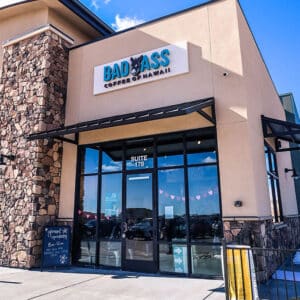
When Bad Ass Coffee decided to open in Peyton, CO, they wanted a space that felt just as bold as their brand while still welcoming to the local community. Our team here at Hammers Construction had the privilege of bringing that vision to life.

From the very beginning, our team worked closely with the franchise to make sure every detail reflected their adventurous personality. The finishes, signage, and interior design carried the brand’s story throughout the shop, while the store layout was built to balance speed and comfort. Customers can order quickly at the counter, but they also have plenty of inviting spots to sit, stay, and connect.

We also paid close attention to how people would move through the space. By fine-tuning the circulation systems, we made sure the flow from entry to ordering to seating felt natural and stress-free, even during busy hours. The result is a coffee shop that captures the brand’s bold identity while becoming a true gathering place for the Peyton community.

Retail Construction - Hammers Construction
Retail Construction – Hammers Construction


Why This Matters

When customers walk into a retail space, they’re forming impressions before they ever make a purchase. Retail construction determines what those impressions will be. A strong project translates branding into real-life experiences that:

  • Increase customer loyalty through memorable atmosphere
  • Maximize sales with intentional store layout and merchandising
  • Build community by making spaces that invite people to gather
  • Strengthen the connection between a brand’s story and its customers

Building Retail Spaces That Work

At Hammers Construction, we believe every retail space should do more than meet code. It should capture the heart of the brand and bring it to life for the people who walk through the door. That’s where we can help.

Whether you’re launching a new retail concept, expanding a franchise, or reimagining a storefront, our team builds with your brand in mind. Because in retail construction, it’s not just about the walls you build; it’s about the story those walls tell.

Ready to bring your brand to life? Let’s build a retail space that works for you!

KEY TAKEAWAYS:

  • Veterinary clinic construction for rescue organizations requires specialized design to
    accommodate medical and recovery needs.
  • Our team developed creative and effective solutions while constructing the National
    Mill Dog Rescue center.
  • The National Mill Dog Rescue facility features a state-of-the-art surgery suite, dental
    suite, and recovery areas.
  • Collaboration with experienced builders ensures the facility meets the unique demands
    of animal rescue operations.
  • The project underscores the importance of tailored construction solutions in supporting
    animal welfare.


Transforming Rescue Operations with Quality Veterinary Clinic Construction

The needs of rescue organizations often differ from traditional veterinary practices. Unlike typical veterinary clinics that primarily serve pets in need of routine care, rescue organizations like the National Mill Dog Rescue (NMDR) deal with high volumes of animals, many of whom have experienced neglect, abuse, or poor living conditions. When NMDR in Colorado Springs set out to build a new facility, they knew they needed a space that was not only functional but also tailored to the specific needs of rescued dogs. The project focused on creating an environment where dogs could receive critical medical treatment, experience comfortable recovery, and undergo rehabilitation to prepare them for adoption. This purpose-driven approach required thoughtful design and specialized spaces, ensuring the animals received the care they deserve every step of the way. Hammers Construction was proud to take on this meaningful project, knowing our work would directly contribute to the well-being of so many deserving animals.

Veterinary Clinic Construction - Hammers Construction
Veterinary Clinic Construction – Hammers Construction


Designing for Rescue Operations

The NMDR facility was designed with the unique requirements of animal rescue in mind. Unlike standard veterinary clinics, rescue organizations often deal with a higher volume of animals in various health conditions. The design needed to accommodate not only medical procedures but also recovery and rehabilitation spaces for the animals.

Key features of the facility included:

  • Surgery Suite: Equipped for various medical procedures, ensuring that rescued dogs
    receive the necessary treatments.
  • Dental Suite: Addressing the dental health needs of the animals, which is crucial for
    their overall well-being.
  • Recovery and Training Areas: Spaces dedicated to the rehabilitation and socialization of
    the dogs, preparing them for adoption.

We understood the importance of these unique accommodations and took a tailored approach to meet the specific needs of this advanced veterinary clinic construction project. Our team ensured that no detail was forgotten and every feature would support the rescue’s mission.


Collaboration with Experienced Builders

Our construction team worked closely with the NMDR to understand their needs and translate
them into a functional and efficient design.

This collaboration involved:

  • Custom Design Solutions: Tailoring the layout to optimize workflow and accommodate
    the high volume of animals.
  • Quality Materials: Selecting durable and easy-to-clean materials suitable for a high-
    traffic environment.
  • Compliance with Regulations: Ensuring that the facility meets all local building codes
    and animal welfare standards.


Supporting Animal Welfare

The completion of the NMDR facility represents a significant step forward in supporting animal welfare. By providing a space equipped with the necessary medical and recovery facilities, the organization can better care for the dogs in their rescue program.

The facility not only enhances the organization’s ability to treat and rehabilitate animals but also improves the overall efficiency of their operations. With dedicated spaces for surgery, dental care, and recovery, the NMDR can now streamline their processes and provide higher-quality care to the animals.


The Impact of Specialized Veterinary Clinic Construction

Our NMDR project highlights the impact that specialized veterinary clinic construction can have on local animal welfare organizations. By designing facilities that cater to the specific needs of rescue operations, builders can help these organizations operate more effectively and provide better care for the animals.

This project serves as an example of how tailored construction solutions can support the mission of animal rescue organizations, ensuring that they have the facilities necessary to carry out their work.

For organizations looking to build or renovate facilities to support animal welfare, partnering with experienced builders who understand the unique requirements of veterinary clinic construction is crucial. The National Mill Dog Rescue facility stands as a testament to the positive impact that thoughtful, specialized design can have on the lives of rescued animals.

If you’re considering a veterinary clinic construction project, contact Hammers Construction today to discuss how we can best support your mission and meet the unique needs of your organization!

Designing Spaces That Sound as Good as They Look

KEY TAKEAWAYS:

  • Soundscaping is intentional sound design that helps shape the customer experience in retail spaces.
  • Noise control matters: excessive echo or outside noise hurts the shopping experience, while balanced sound improves it.
  • Construction choices influence acoustics: walls, ceilings, flooring, insulation, and layout all shape how sound moves in a space.
  • Customer experience improves with soundscaping, making stores more inviting and boosting loyalty and sales.
  • Employees benefit too: reduced stress, better communication, and a more professional environment.
  • Building with sound in mind is cost-effective when integrated early in the construction process.


When we think about retail construction, most of the conversation revolves around layout, lighting, and branding. But there’s another factor that plays a huge role in customer experience: sound. The acoustics of a retail environment can influence how long people stay, how comfortable they feel, and even how likely they are to make a purchase. This is where soundscaping comes into play.

Soundscaping is the intentional design and management of sound within a space. Just like a well-planned floor plan or an attractive storefront, good sound design is part of creating an environment that supports your business goals. In retail, where customer impressions are everything, good sound design can make all the difference.

Soundscaping - Hammers Construction
Soundscaping – Hammers Construction


Why Sound Matters in Retail Spaces

Sound design is about more than just managing noise in the background. It shapes the atmosphere of a store. Too much echo, chatter, or outside noise can overwhelm customers and make it harder to focus on shopping. On the other hand, the right balance of sound, whether that’s subtle music, controlled acoustics, or quiet zones, creates an inviting atmosphere where customers feel at ease.

Studies have shown that environments with intentional soundscaping increase customer satisfaction, encourage longer visits, and even boost sales. Shoppers are more likely to explore, browse, and make purchases when they feel comfortable. For retail owners, that makes sound design a business investment, not just an aesthetic choice.


The Role of Construction in Soundscaping

Good sound design doesn’t just happen by accident. It starts in the construction phase. Materials, layouts, and finishes all play a role in how sound travels within a space. For example:

  • Walls and Ceilings: Using sound-absorbing panels or acoustical tiles can prevent echo and reduce noise transfer between areas.

  • Flooring Choices: Hard surfaces like tile or polished concrete reflect sound, while carpeting or area rugs absorb it.

  • Partitions and Layouts: The arrangement of shelving, fixtures, and walls can help control sound flow throughout the store.

  • Insulation: Quality insulation between walls and ceilings helps block exterior noise, creating a more focused shopping environment.

When sound is considered as part of the build, rather than as an afterthought, the results are more seamless and cost-effective.


Soundscaping as Part of Customer Experience

Retailers today are competing not only on products but also on the overall customer experience. From the moment someone steps through the door, every detail — lighting, temperature, layout, and sound — contributes to how they feel.

By prioritizing soundscaping, business owners create environments that are memorable for the right reasons. Think of the difference between a store where every noise echoes loudly versus one where sound feels calm and balanced. Customers naturally gravitate toward the latter, and that connection translates to stronger brand loyalty and higher sales.


Soundscaping Beyond the Sales Floor

It’s not just customers who benefit. Employees also work better in environments where sound is well-managed. Noise control reduces stress, improves communication, and creates a more professional atmosphere. A retail space designed with intentional sound design in mind supports both staff and customers, which ultimately strengthens the entire business.


Partnering with the Right Builder

Sound design requires more than picking a playlist; it requires thoughtful planning from the ground up. At Hammers Construction, we take a comprehensive approach to retail construction, ensuring every detail of your space — visual, structural, and acoustic — works together to achieve your business goals.

Our design-build process gives business owners confidence that their project is completed right, on time, and within budget. With decades of experience serving Colorado Springs and the surrounding region, we know how to integrate soundscaping into construction so that your retail space delivers the best possible customer experience.

Contact Hammers Construction today to start your project, and discover how thoughtful design can improve your store. 

What to Expect in Colorado’s Growing Land Development Markets

KEY TAKEAWAYS:

  • Land development in Colorado is evolving rapidly, with trends focused on urban expansion and mixed-use developments.
  • The demand for efficient infrastructure and connectivity is driving development projects.
  • As Colorado’s population continues to grow, land development will play a key role in shaping future communities.


As Colorado’s population continues to grow, particularly in bustling hubs like Colorado Springs and Denver, the demand for commercial and residential spaces is higher than ever. In response, the land development sector is evolving to meet the needs of a modern, dynamic population. From mixed-use developments to increased emphasis on connectivity, strategic development in Colorado is on the rise, and these shifts are reshaping the way we think about space, community, and the future of urban living.

Land Development - Hammers Construction
Land Development – Hammers Construction


Growing Demand for Mixed-Use Developments

One of the most noticeable trends in Colorado’s commercial landscape is the increasing demand for mixed-use developments. These projects combine residential, commercial, and recreational spaces in one location, offering a “live, work, play” environment. As more people seek convenience and walkability, mixed-use spaces are becoming a top priority for developers in Colorado Springs and Denver.

Mixed-use developments are an excellent way to maximize the use of available land while providing a more sustainable living environment for residents and businesses. These developments not only offer residents the convenience of having shops, offices, and leisure spaces just steps from their front door, but they also create vibrant, self-sustaining communities.

As land development continues to adapt to market demand, it’s clear that the future lies in creating spaces that blend lifestyle and functionality.


Infrastructure and Connectivity: The Backbone of Future Communities

Another significant trend shaping the future of land development in Colorado is a growing emphasis on infrastructure and connectivity. As urban areas expand, the need for efficient roads, utilities, and public transportation has never been greater. Developers are now focusing on creating neighborhoods that are well-connected to the rest of the city, ensuring that residents and businesses can easily access essential services.

This trend is especially relevant in rapidly growing areas like Denver’s suburban regions and Colorado Springs, where new development projects must account for long-term growth. The key to successful land development in these areas lies in robust planning, from transportation systems that facilitate commuting to reliable utility systems that ensure consistent service for new buildings and businesses.

By investing in infrastructure during the planning stages, developers can avoid costly delays and complications later on. This means working closely with municipalities, architects, and engineers to ensure all aspects of infrastructure are seamlessly integrated into their development projects.


Affordable Housing: A Key Component of Future Development

As cities like Colorado Springs and Denver continue to experience rapid population growth, affordable housing has become a critical component of land development. With housing prices climbing, many individuals and families are struggling to find affordable options in both urban and suburban areas.

As demand increases, developers are looking for ways to incorporate affordable housing into their projects without compromising the quality of life for residents or the profitability of the development. This shift toward affordable housing will likely continue to grow as cities strive to make room for their expanding populations while addressing the housing crisis.


What’s Next for Land Development in Colorado?

As Colorado’s commercial sector continues to evolve, the next few years will bring exciting changes and challenges. The push for mixed-use developments, better infrastructure, affordable housing, and technology integration will shape the cities of tomorrow. For Colorado Springs and Denver, this means more dynamic, well-connected, and sustainable communities that are designed to support growth and innovation.

At Hammers Construction, we’re ready to lead the charge in shaping Colorado’s future through thoughtful and well-executed commercial development. Whether it’s transforming raw land into vibrant commercial spaces or creating the next great community, we’re committed to delivering projects that are built to last.

Want to learn more about how land development can impact your property or business? Get in touch with us today, and let us bring your vision for the future to life!


Having your business outgrow its existing space can be both exciting and stressful. While growth is good, upgrading your space requires some thought. Should you lease or purchase a larger facility? Should you expand your existing one? Or should you build a new home for your business from the ground up? This article will explore the benefits of ground-up construction.

Why Ground-Up Construction Makes Sense for Growing Businesses

Ground-up construction, meaning the development of a completely new building on vacant land, contrasts with the alternatives by offering significantly greater flexibility.

Full Control From Day One

When you choose ground-up building, you remove the limitations put in place by someone else’s decisions. You don’t have to work with existing structures and have the freedom to make your company’s new home conform to your exact needs.

Built to Match Your Business Vision

When you’re stuck in someone else’s design, you often need shortcuts or workarounds to make the space fit your preferred workflows. Ground-up development lets you choose where you want open spaces, specialized areas, customer showrooms, and every other space you’ll work out of.

Design Flexibility That Renovations Can’t Match

When you renovate, you’re forced to work around load-bearing walls, position equipment near existing outlets, and design your spaces around predetermined room layouts. With the ground-up approach, you get a blank slate.

Customize Every Square Foot

Does your existing space have poor traffic flow? Could it stand to have more natural light? Customizations like this are easy with ground-up construction. Your ceilings can be as high as you want them, and your floor plan can be as open or as compact as you want.

Adapt Spaces to Industry-Specific Needs

Every industry has its own set of spatial requirements. Existing buildings rarely accommodate these perfectly. Whether you need specific ventilation systems, rooms suitable for running server farms, or more optimal flow patterns for customers, ground-up building allows you to address those needs in your design.

Long-Term Cost Savings Through Smarter Building

Many people are put off by the initial cost of ground-up construction. This ignores the long-term financial benefits that such construction provides, beyond the increase in productivity from a custom-tailored solution.

Energy Efficiency from the Ground Up

There have been dramatic increases in energy-efficient technologies in recent years. New construction can take advantage of modern insulation, HVAC systems, and smart technologies that reduce your company’s carbon footprint and its energy bills.

Lower Maintenance and Fewer Surprises

Older buildings often come with expensive surprises. Outdated systems and structural problems from wear and tear can hit you with unexpected repair costs. When you build from the ground up, you start with all fresh systems, complete with warranties.

When Ground Up Becomes the Smarter Investment

Deciding between ground-up construction and other options is easier if you evaluate your specific circumstances against the areas where ground-up development shines.

Ground-Up vs. Renovation: What’s the Real Difference

  • Budget threshold: Small renovations are more cost-effective, but if the cost of renovation is over 60-70% of new construction, building from the ground up becomes a better long-term value.
  • Timeline requirements: Ground-up construction doesn’t suffer from as many structural surprises and delays as renovation does. This may be an advantage if deadlines are tight.
  • Growth projections: If your business is growing fast enough, a ground-up approach can avoid outgrowing the space again.
  • Operational disruption tolerance: Renovations may cause business disruptions that make them a less viable option.
  • Location flexibility: If your current location isn’t ideal, ground-up construction is a great way to relocate to a better one.
  • Industry-specific needs: Some industries have specialized needs that aren’t easily retrofitted into every building.

Ready to Build a Space That Grows With You?

At Hammers Construction, we specialize in ground-up construction that helps Colorado Springs businesses grow. We have over 50 years of design-build expertise, enabling us to work efficiently and save you time and money. Contact us today to start building your company’s success from the ground up.


Image source: Lee Charlie// Shutterstock

KEY TAKEAWAYS:

  • Tenant improvements are actively enhancing property values in Colorado Springs and Denver by attracting quality tenants and increasing lease rates.
  • Strategic renovations can revitalize commercial spaces, making them more appealing and functional for businesses.
  • Investing in tenant improvements contributes to the overall economic growth and development of local communities.
  • Partnering with experienced professionals like Hammers Construction ensures efficient and cost-effective project execution.


In the bustling commercial landscapes of Colorado Springs and Denver, property owners are discovering that strategic tenant improvements (TIs) are more than just cosmetic upgrades. These enhancements go beyond a simple facelift; they’re reshaping the local landscape in ways that directly impact property values. As more and more businesses invest in commercial renovations, they’re not only transforming their spaces, but also contributing to the growth and prosperity of our beloved cities. By transforming underutilized or outdated spaces into modern, functional environments, these improvements are attracting high-quality tenants and increasing rental income, all while contributing to the revitalization of local communities.

Tenant Improvements - Hammers Construction
Tenant Improvements – Hammers Construction


What Are Tenant Improvements?

Tenant improvements refer to the customized alterations made to a commercial space to meet the specific needs of a tenant. These can range from simple cosmetic updates, like fresh paint and new flooring, to more extensive renovations such as reconfiguring layouts, upgrading HVAC systems, or enhancing lighting and plumbing. The goal is to create a space that aligns with the tenant’s business operations, thereby improving functionality and aesthetic appeal.


Why Tenant Improvements Matter for Property Value

In Colorado Springs and Denver, where the commercial real estate market is competitive, tenant improvements are becoming a key differentiator. Here’s how they impact property value.


Attracting Quality Tenants Modern, well-designed spaces are more appealing to prospective tenants. Businesses are willing to pay a premium for spaces that align with their operational needs and brand image.

Increasing Lease Rates – Upgraded spaces often justify higher lease rates. Tenants are more inclined to invest in spaces that offer modern amenities and efficient layouts, leading to increased rental income for property owners.

Enhancing Marketability – Properties with recent commercial renovations stand out in the market. They signal to potential tenants that the property owner is invested in maintaining and enhancing the space, making it a more desirable location.

Boosting Long-Term Value – Over time, well-executed tenant improvements can lead to higher property valuations. As the space becomes more functional and appealing, its market value increases, benefiting the property owner in the long run.


How Commercial Renovations Benefit the Community

But it’s not just the business owners who benefit. Beyond individual property benefits, strategic tenant improvements contribute to the broader community in several ways:


Revitalization of Commercial Areas – Upgrading commercial spaces can rejuvenate entire neighborhoods, attracting more businesses and customers, and fostering economic growth.

Job Creation – Renovation projects often require skilled labor, leading to job creation within the community. Not only that, high-quality spaces tend to attract top-tier talent, benefiting not only business owners but also enhancing the overall vitality and prosperity of the community.

Enhanced Aesthetics – Well-designed spaces improve the visual appeal of an area, making it more attractive to residents and visitors alike. As the city becomes more visually appealing, property values rise, benefiting business owners and surrounding residents alike.


Partner with Hammers Construction for Your Tenant Improvement Project

At Hammers Construction, we specialize in tenant improvements that enhance both the functionality and value of commercial spaces. Our design-build approach ensures seamless project execution, from initial design to final construction, all while keeping your project on time and within budget. Whether you’re looking to upgrade an existing space or customize a new one, our team is here to help bring your vision to life.

If you’re ready to boost your property’s value and attract quality tenants, contact Hammers Construction today to discuss your next commercial renovation project!

KEY TAKEAWAYS:

  • Warehouse construction projects, like this one, are best served with clear planning, strong client collaboration, and reliable execution.
  • A ground-up metal building can be completed efficiently — in this case, just four months from groundbreaking to move-in.
  • Client-driven finishes and custom layouts help tailor the space exactly to business needs.
  • Professional financing, design-build coordination, and local expertise ensure the project stays on time and on budget.


Colorado Springs-based Complete Window Care needed a functional, modern space for their expanding operation. Our team stepped in to deliver expert warehouse construction services: financing, design, build, and tenant finish, all in record time. From site prep to clean handoff, the process was thoughtfully executed at every stage.

Warehouse Construction - Hammers Construction
Warehouse Construction – Hammers Construction


Project Overview

This warehouse construction project resulted in a versatile 5,000 sq ft metal building at 7176 Cole View. Designed and financed by our Hammers Construction team, the project was completed in May 2017 — only four months after breaking ground. The combination of office and warehouse space supports operational efficiency and company growth.


Planning & Design: Getting It Right from the Start

Every successful warehouse construction project begins with detailed planning. After meeting with the Complete Window Care team, we laid out a design-build roadmap.

Site assessment and financing solutions were aligned early with the client’s schedule and budget.

As part of the design phase, building orientation, workflow, parking access, and lighting were optimized to serve both office staff and warehouse operations.

The client selected interior finishes, lighting schemes, and structural framing clearly, combining functionality with their brand aesthetic.


Ground-Up Metal Building: Built with Precision 

As a ground-up package, this warehouse construction job included foundation work, structural framing, and exterior metal building installation.

Site clearing and foundation poured quickly, allowing structural steel and metal panels to follow without delay.

Our experience with metal buildings ensured efficient logistics — materials arrived on time, crews moved seamlessly, and quality standards were upheld.

With constant oversight, the building was weather-tight in under two months.


Tenant Improvement & Custom Finishes

While the metal shell took shape, Complete Window Care focused on interior detail — an essential part of this warehouse construction project.

Interior build-out included partitions, office finishes, restroom facilities, and functional work zones.

The client chose fixtures, finishes, and mechanical systems that matched their evolving needs, creating a polished, professional space.

Coordination between trades was smooth, which kept pace and prevented conflicts during build-out.


On Time, On Budget: A Seamless Handoff

Our team prides itself on delivering warehouse construction projects efficiently, and this one met expectations across the board.

Regular progress tracking and budget reviews kept things transparent, so there were no surprises at close-out.

Collaboration with the client on finish selections and schedule reviews ensured expectations were aligned from day one.

The project wrapped up in May 2017 — on time, on budget, and ready for move-in.


Results and Business Impact

Complete Window Care moved into a functional, tailored workspace without delays. The mixed office/warehouse design enhanced day-to-day operations and improved employee workflow. Now, with room to grow and a professional environment, future expansion is supported.


Why This Warehouse Construction Model Works

The Complete Window Care project is a textbook example of smart warehouse construction:

  • Early coordination of financing and design removes uncertainty.
  • Metal building shells are cost-effective and fast to erect.
  • Client-selected finishes add identity and functionality.
  • Strong project management ensures timelines and budgets are met.


Let Hammers Construction Build Your Next Warehouse Success

When it comes to warehouse construction in Colorado, Hammers Construction offers a full design-build solution — from land financing to tenant finish. Ready to build smart, fast, and tailored to your brand? Contact Hammers Construction today and let’s discuss your next project!

KEY TAKEAWAYS:

  • Understanding the most common commercial construction challenges in Denver helps business owners and developers plan with confidence.
  • Permit delays, labor shortages, and supply chain issues are frequent hurdles in the Denver metro area.
  • Careful planning, strong communication, and hiring local professionals can reduce stress and keep your project on track.
  • Partnering with a trusted team experienced in commercial construction across Colorado is key to overcoming roadblocks and delivering results.


The Denver metro area is full of opportunity. Businesses are expanding, new developments are reshaping the skyline, and the region’s steady growth shows no signs of slowing down. But with that momentum comes a unique set of challenges, especially for anyone preparing to dive into a commercial construction project.

Whether you’re building a retail space, office, medical facility, or warehouse, understanding the roadblocks you might face can save time, money, and frustration. Let’s take a closer look at what to expect and how to work through it all with confidence.

Denver Commercial Construction - Hammers Construction
Denver Commercial Construction – Hammers Construction


What Challenges Should You Expect in Commercial Construction?

Permitting Issues

If you’ve ever tried to get a commercial building permit in Denver, you already know it’s not a walk in the park. Navigating zoning regulations, environmental assessments, design reviews, and city-specific requirements can take longer than expected, especially without a local expert guiding the process.

Permit timelines can delay entire projects if teams aren’t proactive. Even small oversights in documentation or site plans can lead to costly back-and-forth with city departments.


Labor Shortages

The demand for skilled construction labor continues to outpace supply across Colorado. From electricians to concrete crews, finding and retaining experienced workers can be a challenge. In fast-growing areas like Denver, the competition for reliable tradespeople is fierce, and scheduling delays are common when the right people simply aren’t available at the right time.


Materials and Supply Delays

Even in a post-pandemic world, the supply chain hasn’t returned to normal. Certain materials like steel, glass, HVAC systems, and specialty finishes are still experiencing delays or cost fluctuations. Weather, shipping issues, and high demand can all impact delivery timelines and pricing.

When schedules are tight and expectations are high, these delays can feel like a major setback.


How to Make Commercial Construction Smoother in Denver 

Bring in Local Experts Early

Working with a team that understands Denver’s permitting process and building codes can make a world of difference. Local professionals bring familiarity with city inspectors, real-world knowledge of the approval timeline, and connections to trusted subcontractors and suppliers.

A general contractor with deep roots in the area is also better positioned to anticipate (and avoid) common pitfalls unique to the Denver market.


Prioritize Planning and Communication

Great planning sets the tone for a successful build. That means taking time to carefully scope the project, create realistic timelines, build contingency plans, and set clear expectations with all stakeholders from the start.

Keeping communication flowing between the architect, builder, and client helps projects stay nimble. When challenges pop up (and they often do), an aligned team is better equipped to respond quickly and efficiently.


Consider a Design-Build Approach

In a traditional construction setup, the design and build processes are handled by separate entities. This can create delays, miscommunication, or scope gaps.

A design-build approach puts everything under one roof, giving you one point of contact and a unified team from concept to completion. That kind of streamlined collaboration is especially helpful when working within tight timelines or complex site conditions.


Partner with the Right Commercial Construction Team Today

No two commercial projects are exactly the same. Each comes with its own goals, constraints, and context. That’s why working with an experienced, Colorado-based contractor matters. From navigating permits to coordinating trades, a seasoned partner can mean the difference between a frustrating experience and a successful one.

At Hammers Construction, we know the ins and outs of commercial construction in the Denver metro area. From site selection and permitting to project management and final finishes, our team is committed to delivering high-quality results — on time and on budget.

Ready to break ground on your commercial construction project? Contact Hammers Construction today to learn how we can turn your vision into reality — without the unnecessary headaches.

KEY TAKEAWAYS:

  • Xeriscaping helps businesses save water while maintaining a polished, attractive exterior.
  • This landscaping method uses drought-resistant plants, efficient irrigation, and intentional design choices.
  • Lower water bills and reduced maintenance make xeriscaping both eco-friendly and cost-effective.
  • With thoughtful planning, xeriscaped properties can be just as lush and professional as traditional landscapes.


If you’re a business owner in Colorado, then you know how important water conservation has become, especially with our dry climate and unpredictable seasons. But that doesn’t mean giving up a beautiful, welcoming landscape. With proper xeriscaping, it’s entirely possible to reduce water use while still creating an exterior that turns heads and enhances your brand.

Xeriscaping - Hammers Construction
Xeriscaping – Hammers Construction


What Is Xeriscaping?

Xeriscaping is a form of landscaping designed to thrive in low-water environments. It focuses on selecting drought-tolerant or native plants, enhancing soil conditions, and using water efficiently, often through smart irrigation systems like drip lines or weather-based controllers.

Unlike the more traditional style of landscaping that may rely heavily on turf grass and high-maintenance plants, xeriscaping adapts to the natural environment. It’s a smart, sustainable way to design commercial landscaping without sacrificing aesthetics or functionality.


Why Should Commercial Properties Consider Xeriscaping?

Save Water and Cut Utility Costs

One of the biggest benefits is water conservation. Xeriscaped properties typically use 50–75% less water than traditional lawns. That kind of efficiency doesn’t just help the environment; it also leads to significantly lower utility bills, especially during peak summer months.


Lower Maintenance Requirements

With fewer lawns to mow, less fertilizer to apply, and plants that naturally resist drought and pests, xeriscaped properties reduce the need for constant upkeep. For property managers and maintenance crews, that means more time saved and fewer recurring expenses.


Professional, Year-Round Curb Appeal

Forget the idea that drought-friendly landscapes are sparse or uninviting. With the right design and plant selection, xeriscaped properties can be colorful, modern, and professional. From flowering perennials to ornamental grasses and textured stonework, there are countless ways to create a landscape that reflects your brand and enhances the customer experience.


How to Make Xeriscaping Work for Your Business

1). Choose the Right Plants

Opt for native Colorado plants or drought-resistant species that thrive with minimal water. Popular choices include lavender, yarrow, blue fescue, Russian sage, and various types of sedum. These plants not only require less water, but they also bring vibrant color and texture to your landscape.


2). Improve the Soil

Healthy soil holds onto moisture more effectively. Before planting, consider soil amendments or compost to improve water retention and root development. Mulching around plant bases can also help reduce evaporation and protect against weeds.


3). Use Smart Irrigation

Traditional sprinkler systems often waste water by oversaturating certain areas or running during the wrong time of day. Drip irrigation systems and weather-based controllers offer a much more efficient way to deliver water directly to plant roots — exactly where it’s needed.


4). Group Plants Strategically

By grouping plants with similar water needs together, your irrigation system can work more efficiently. This reduces waste and ensures that each area of your landscape receives the right amount of moisture.


Common Myths About Xeriscaped Properties

Some business owners worry that xeriscaping means settling for a bland or overly minimalist look. In reality, a well-executed xeriscaped design can be incredibly vibrant, full of color, and rich in visual interest. The key is creativity, smart plant choices, and thoughtful design that considers how people interact with the space.

When done right, xeriscaped properties can boost curb appeal and leave a lasting impression, all without straining natural resources or your budget.


Refresh Your Landscape the Smarter Way

If you’re building a brand-new commercial space and you’d like to optimize your water usage, our specialists are here to help. We offer professional xeriscaping as part of our ground-up construction process. From selecting the right plants to implementing smart irrigation systems, our team creates low-maintenance, visually appealing landscapes that work beautifully in Colorado’s climate.

Ready to create a landscape that’s both eco-friendly and eye-catching? Reach out to Hammers Construction today, and let’s talk about how to bring your outdoor space to life (while keeping your water usage in check)!