A common misconception in the commercial building world is that a contractor should only enter the picture after the design is finalized. Many business owners believe they must “get the drawings first” before they can even speak with a builder. However, waiting until the blueprints are complete often creates a disconnect between the project’s vision and the budget’s reality. At Hammers Construction, Inc., we have seen that bringing a contractor in early can prevent significant issues regarding cost, schedule, and scope.
The Traditional Approach: Hiring a Contractor After Design
The traditional model is known as design-bid-build. In this scenario, an owner hires an architect to create a full set of construction documents. Once those are finished, the owner sends the plans out to various contractors to see who can provide the lowest price.
While this sounds straightforward, it often leads to frustration. Owners frequently face budget misalignment when the bids come in much higher than anticipated. This forces a painful redesign phase to cut costs, which triggers delays before construction even starts. By the time the project finally breaks ground, the owner has already lost valuable time and money on multiple sets of drawings.
What Changes When a Contractor Is Involved Early
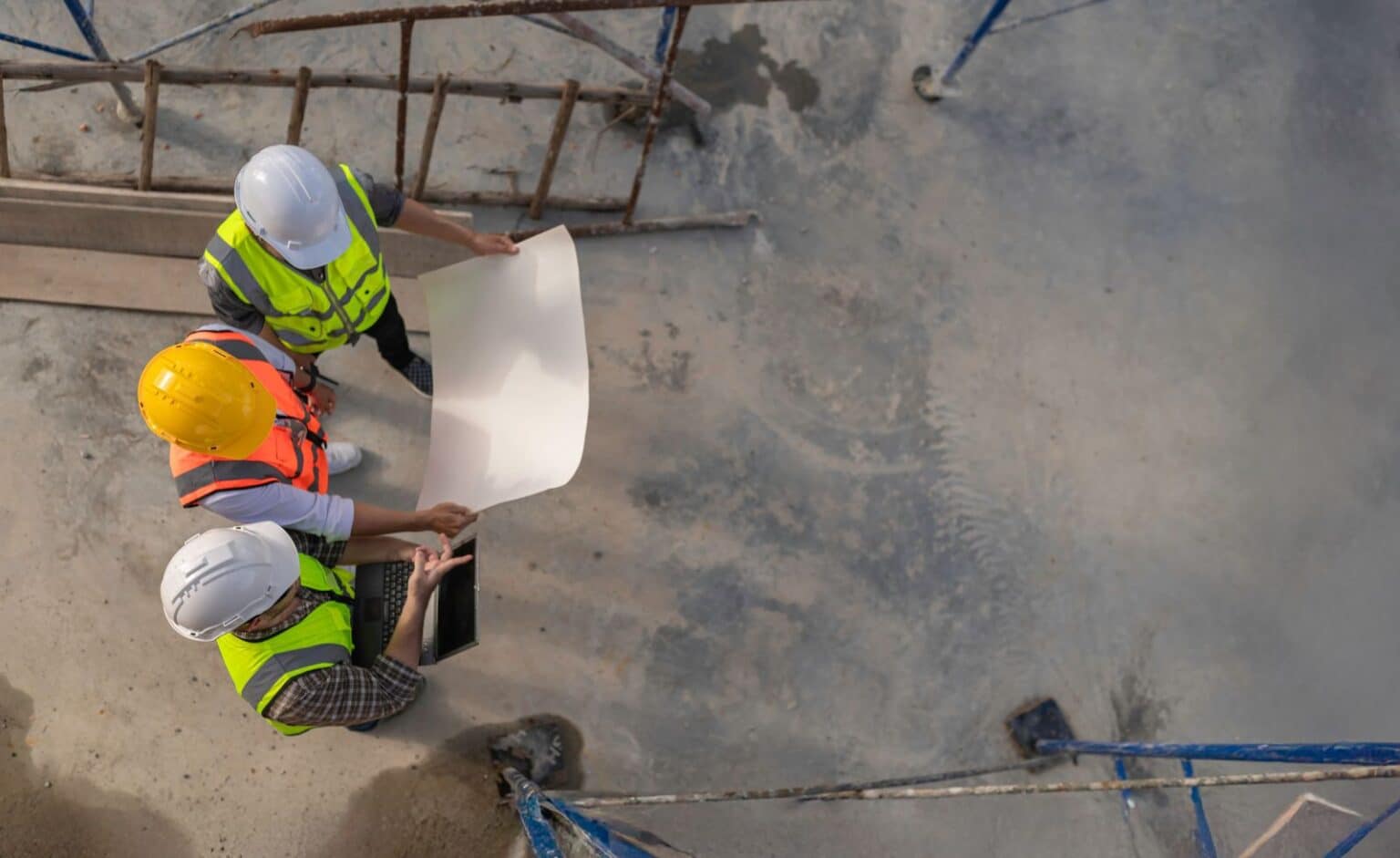
When you involve a contractor during the initial phases, you move into a design-build approach. This model shifts the dynamic from a series of handoffs to continuous collaboration among the owner, the designer, and the builder.
Early involvement supports realistic budgeting by providing real-time pricing as the design evolves. It also enables constructability feedback, allowing the builder to identify potential structural hurdles before they become costly field changes. Value-driven decision-making becomes the standard, ensuring every dollar spent contributes to the business’s functionality and success.
Who Benefits Most from Bringing a Contractor in Early
While any project benefits from this approach, certain sectors see the most significant impact:
- First-time commercial builders: Those who are unfamiliar with the complexities of local codes and permitting.
- Medical, dental, and veterinary practices: These facilities require specialized plumbing, electrical, and gas systems that need early integration.
- Tenant finish-outs: Businesses with tight lease commencement dates cannot afford the delays of the traditional model.
How Early Contractor Involvement Protects Your Schedule
Timing is everything in commercial construction. Early input allows Hammers Construction, Inc. to plan for permitting, procurement, and long-lead items like steel or specialized HVAC units. By identifying these needs during the design phase, we can order materials early to avoid shutdowns. This approach allows design and construction tasks to overlap, significantly reducing the total time from concept to completion.
The Ideal Time to Bring a Contractor into the Design Process
There are three key stages where contractor input is most valuable:
- Concept and Feasibility: When you are still deciding if a site or building will work for your needs.
- Early Design or Test-Fit: Before you commit to the granular details of the floor plan.
- Before Final Construction Documents: To ensure the final specs align with the projected budget.
What Working with a Design-Build Contractor Looks Like
Working with Hammers Construction, Inc. is a turnkey experience. It begins with an initial discovery conversation to understand your goals for success and autonomy. From there, we move into budget alignment and design collaboration, ensuring the project is done right and stays on budget. We act as your partner, handling all aspects of general construction so you can focus on running your business. Contact us today to learn more about how we can help you with your construction project.
Image credit: kittirat roekburi / Shutterstock