
Building Smarter:
How to Keep Your Commercial Project on Time and on Budget in Any Market
Because strong planning and the right team matter more than market conditions.
Every market has its challenges, prices rise, materials fluctuate, and timelines tighten. But successful projects don’t depend on perfect conditions; they depend on smart planning.
At Hammers Construction, we’ve spent over 30 years helping Colorado businesses navigate every type of market. Whether you’re building a medical office, retail space, or a commercial development, the right process can keep your project steady, even when the market isn’t.
Overview
Before you dive into design and budgeting, it helps to know what really moves the needle.
In this guide we will answer questions like :
- How does design-build delivery reduce risk and control costs?
- What are the most effective ways to plan ahead for unpredictable markets?
- How can value engineering add efficiency without sacrificing quality?
- Why do local relationships matter so much in Colorado’s construction scene?
- What role does communication play in keeping projects on track?
If you’re planning a commercial project in Colorado, these insights will help you make smart, informed decisions that protect both your budget and your peace of mind.
What Is Commercial Land Development?
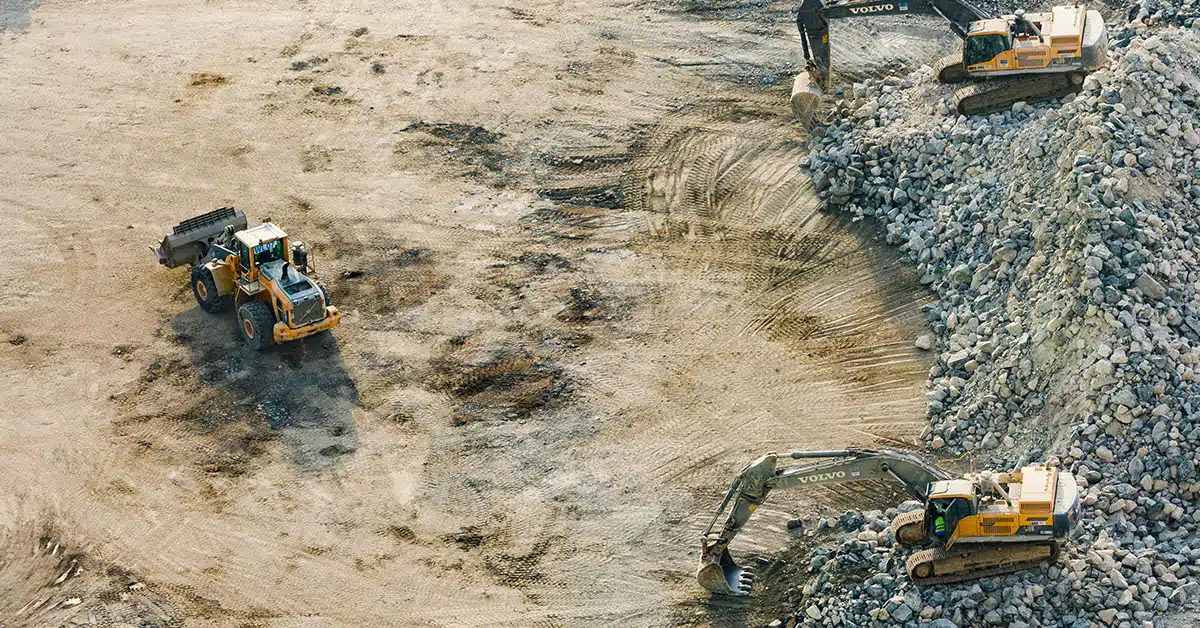
Commercial land development is the process of preparing property for construction — transforming raw land into usable, build-ready sites for retail, industrial, or mixed-use projects. It typically involves site preparation, grading, drainage systems, utility connections, and permitting.
Unlike residential development, commercial sites must account for complex infrastructure development (roads, parking, utilities, stormwater systems) and zoning regulations that dictate what can be built and where.
In El Paso County, the growing demand for logistics hubs, small industrial parks, and retail centers has increased competition for affordable land. That makes development analysis and planning more important than ever.
The Importance of Land Readiness
Before purchasing property, it’s important to assess whether the land is build-ready. A site with utilities, access roads, and drainage in place can save months of permitting delays.
Land Readiness Checklist
- Soil stabilization and geotechnical reports
- Approved stormwater management and drainage plan
- Verified utility connections for power, water, and sewer
- Legal road access and easement verification
- Confirmed zoning classification and setbacks
According to the Pikes Peak Regional Building Department, most permitting delays in El Paso County stem from incomplete site data or missing infrastructure documentation. By addressing these items early, you reduce uncertainty and avoid expensive redesigns later.

Zoning Regulations and Permitting in El Paso County
Zoning regulations determine what your land can become and how soon you can start building. El Paso County’s Land Development Code defines zoning districts for commercial (C-1, CS) and light-industrial (I-1, I-2) use, each with its own restrictions.
For example, a parcel zoned RR-5 (Rural Residential) may require rezoning before it can support a warehouse or retail use. That process can add months to your timeline.
Working with a contractor experienced in commercial land development means you’ll have guidance through every zoning, variance, and permitting step, keeping your project compliant and on schedule.
Infrastructure Development and Utilities: The Hidden Cost of Land Improvement
Infrastructure development is the heartbeat of commercial property development — and often where budgets get stretched.
Key cost drivers include:
- Utility connections: Coordinating with Colorado Springs Utilities or Mountain View Electric for access and capacity
- Drainage and stormwater systems: Designing runoff solutions that meet county and CDPHE standards
- Road construction and access: Ensuring legal ingress and egress for customers and deliveries
- Site grading: Leveling uneven terrain to create safe, stable foundations
The Colorado Office of Economic Development reports that utility and infrastructure costs can make up 30–35% of total site development expenses. That’s why early development analysis and value engineering are critical.

Incentives for Developers and Business Owners
El Paso County offers multiple programs to encourage commercial investment and job creation, helping offset land-development costs:
- Colorado Enterprise Zone Tax Credits for qualifying job growth and infrastructure improvements
- El Paso County Economic Development Incentives for industrial and mixed-use projects
- Local utility rebates for energy-efficient systems or infrastructure upgrades
These incentives can improve land valuation and reduce up-front costs, especially for projects that align with county growth priorities.
Get Specialized Land Development Help
For more than 30 years, Hammers Construction has helped Colorado business owners develop land that’s ready to build on. Our in-house expertise covers everything from infrastructure design to construction management, ensuring your project stays efficient from concept to completion.
Here’s why Coloradans choose us:
- Local knowledge of El Paso County codes and utilities
- Integrated design-build and land development capabilities
- Proven cost control through early planning and value engineering
- End-to-end project delivery with one trusted partner
Ready to turn raw land into opportunity? Contact Hammers Construction today to schedule a land readiness consultation, and start building smarter in El Paso County.
Frequently Asked Questions
What is commercial land development?
Commercial land development is the process of preparing raw land for construction, including site preparation, infrastructure installation, and zoning compliance.
What makes land “build-ready”?
Proper grading, drainage planning, utility connections, and approved access roads ensure your land is ready for immediate construction.
How long does land development take?
In El Paso County, most commercial land development projects take six to twelve months depending on size, location, and permitting complexity.
Can I develop land outside Colorado Springs?
Yes. Unincorporated El Paso County often offers lower land costs, flexible zoning, and access to the same infrastructure and incentives.
Is it cheaper to buy or build a commercial building?
It depends on your location, timeline, and long-term goals. Buying an existing building can reduce upfront costs and speed up occupancy, but it may require costly renovations, zoning variances, or mechanical upgrades to meet your operational needs. Building on prepared land gives you complete control over layout, efficiency, and infrastructure development, often resulting in lower lifecycle costs and higher property value.
Is it smart to buy land and then build?
Yes, when planned correctly. Buying land and developing it yourself can be a smart long-term investment, especially in high-growth areas like El Paso County. But it’s important to perform a land development analysis to confirm zoning regulations, utility availability, and drainage systems.