Building Smarter:

How to Keep Your Commercial Project on Time and on Budget in Any Market

Because strong planning and the right team matter more than market conditions.

Every market has its challenges, prices rise, materials fluctuate, and timelines tighten. But successful projects don’t depend on perfect conditions; they depend on smart planning.

At Hammers Construction, we’ve spent over 30 years helping Colorado businesses navigate every type of market. Whether you’re building a medical office, retail space, or a commercial development, the right process can keep your project steady, even when the market isn’t.

Overview

Before you dive into design and budgeting, it helps to know what really moves the needle.

In this guide we will answer questions like :

  • How does design-build delivery reduce risk and control costs?
  • What are the most effective ways to plan ahead for unpredictable markets?
  • How can value engineering add efficiency without sacrificing quality?
  • Why do local relationships matter so much in Colorado’s construction scene?
  • What role does communication play in keeping projects on track?

If you’re planning a commercial project in Colorado, these insights will help you make smart, informed decisions that protect both your budget and your peace of mind.
Start with the Right Project Delivery Method

Traditional construction often means juggling multiple contracts, competing priorities, and unclear communication. Design-build simplifies it.

With design-build, one team handles design, engineering, and construction under a single contract. That means faster decisions, stronger collaboration, and fewer surprises. It’s a system proven to save time and reduce costs while keeping accountability in one place, right where it should be.

Plan Early, Build Efficiently 

The best way to protect your budget is to plan before you pour.

Our pre-construction team focuses on early-stage feasibility, cost forecasting, and long-lead procurement so clients avoid last-minute shocks that derail budgets. By identifying key materials and trades early, we help lock in pricing and secure schedules, especially important in Colorado’s busy construction climate.
Value Engineering Without Cutting Corners

“Value engineering” isn’t about cheap shortcuts, it’s about smart choices.

We look at how every element of a project performs over time. That can mean switching to locally sourced materials, optimizing building systems for long-term energy savings, or using prefabrication to speed up delivery without sacrificing quality.

The goal is always the same: lower lifecycle costs and a stronger finished product.

Build Local, Build Smart

Colorado’s commercial construction scene moves fast, especially along the Front Range. Local relationships matter.

Our vendor and subcontractor partnerships help shorten lead times, manage volatility, and ensure projects meet regional standards from start to finish.

Plus, working with a contractor who understands local permitting, zoning, and environmental conditions can save you weeks in approval time.
Confidence Through Communication

Transparency is one of the biggest predictors of project success.

Our design-build model keeps owners involved at every step, with open-book budgeting, schedule visibility, and real-time updates. When everyone’s on the same page, projects stay on time, on budget, and on goal.

Conclusion

The truth is, markets will always shift, but your plan doesn’t have to. At Hammers Construction, we combine local experience, integrated design-build delivery, and proven project control to turn uncertainty into opportunity.

Ready to start your next commercial project? Let’s plan it together.

Frequently Asked Questions

What makes design-build more reliable in unpredictable markets?

Design-build creates one unified team responsible for both design and construction. That reduces delays, miscommunication, and change orders, all of which protect your budget when market conditions shift.

When should I start planning my commercial project?

Ideally six to twelve months before you want to break ground. Early planning allows for accurate pricing, permitting prep, and material forecasting, especially important in Colorado’s fast-paced market.

What is value engineering and why is it important?

Value engineering looks for cost savings without cutting quality. It’s about choosing smarter materials, improving efficiency, and optimizing long-term performance, not simply reducing the price tag.

How does Hammers Construction help control costs?

We use transparent, open-book budgeting and early-stage procurement strategies to lock in pricing where possible. Our design-build process also minimizes change orders and delays, which keeps overall costs predictable.

What areas of Colorado does Hammers Construction serve?

We build across the Front Range, including El Paso, Elbert, Teller, Douglas, and Pueblo Counties, with deep local knowledge of regional permitting, zoning, and environmental requirements.

Stormwater Management in Colorado: What Property Owners Need to Know

Stormwater management is one of those things that rarely gets attention until it becomes a problem. Then it becomes everyone’s problem.

In Colorado, municipalities and state agencies are increasingly strict about stormwater compliance, especially along the Front Range. Whether you are developing a new site, expanding an existing facility, or maintaining commercial property, having a clear and compliant stormwater management plan is no longer optional.

At Hammers Construction, we help property owners and developers in Colorado Springs and Denver stay ahead of evolving stormwater regulations while protecting their investment, their schedule, and Colorado’s water supply.

What Is Stormwater Management and Why Does It Matter?

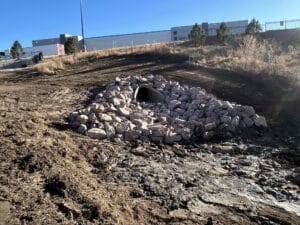
Stormwater is rain or snowmelt that flows across paved surfaces, rooftops, and disturbed ground. As it moves, it picks up sediment, debris, oil, chemicals, and other pollutants. Without proper controls, that runoff can enter local streams, lakes, and groundwater.

From a regulatory standpoint, unmanaged stormwater creates liability. From a practical standpoint, it creates erosion, flooding, and long-term maintenance issues that are expensive to fix later.

A well-designed stormwater management system helps you:

  • Remain compliant with local, state, and federal regulations
  • Reduce the risk of fines, violations, and lawsuits
  • Protect Colorado’s water resources
  • Improve the appearance and function of your site
  • Avoid costly rework or emergency fixes after inspections

Stormwater Compliance Is Changing in Colorado

Many municipalities across Colorado Springs, Denver, and surrounding areas are tightening enforcement around stormwater runoff, inspections, and maintenance. Requirements don’t stop once construction ends either. Ongoing inspections, reporting, and maintenance are often required to remain compliant long-term.

That’s why stormwater should not be treated as a checkbox at the end of a project. It works best when it’s addressed early and managed consistently.

Hammers’ Approach to Stormwater Management

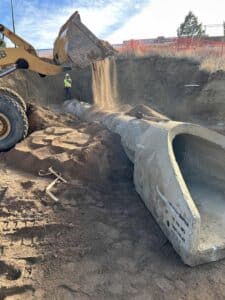
Hammers Construction provides full-service stormwater management solutions, from initial assessment through long-term maintenance. Our team works with owners, developers, and municipalities to ensure systems are designed correctly, built efficiently, and maintained properly.

We structure our stormwater services around four key phases.

Establish: Design, Build, and Permit

We design and build stormwater systems from the ground up, including permitting and coordination with local jurisdictions. Our experience with municipal requirements helps streamline approvals and avoid delays.

Common systems we establish include:

  • Forebays
  • Trickle channels
  • Micro pools
  • Extended detention basins
  • Upper-stage stormwater features

Enhance: Repairs and Compliance Corrections

If an existing system is not functioning properly or has failed inspection, we step in to correct deficiencies and bring the site back into compliance.

This often includes:

  • Repairing trickle channels, pads, and ponds
  • Addressing retaining walls and structural elements
  • Modifying inlets and outlets to improve performance

Ensure: Ongoing Maintenance

Stormwater systems require regular maintenance to remain effective and compliant. We handle the ongoing work so property owners don’t have to.

Maintenance services include:

  • Landscaping and vegetation control
  • Erosion and sediment control
  • Algae control
  • Mowing and trash removal

Evaluate: Monitoring and Reporting

Compliance does not end with installation. We provide hands-on monitoring, inspections, and periodic reporting to keep your property aligned with permit requirements and local agreements.

Our Stormwater Process

Every property and site is different, which is why we take a straightforward, step-by-step approach.

  • Step 1: Assess Our team evaluates your existing stormwater system or proposed site conditions and identifies areas that need improvement or adjustment.
  • Step 2: Plan We develop a cost-effective stormwater management plan designed to prevent runoff from entering local water supplies while meeting all regulatory requirements.
  • Step 3: Execute Once the plan is approved, we build and implement the necessary stormwater structures and controls to keep your project compliant and functional.

Experience You Can Rely On

Hammers Construction has decades of experience delivering commercial and municipal projects throughout Colorado. We understand the additional requirements that come with public-sector work, complex permitting environments, and inspection-driven schedules.

Our clients rely on us not just to build, but to navigate regulations, coordinate with agencies, and solve problems before they become delays.


Protect Your Project and Your Business

Stormwater management is about more than compliance. It is about protecting your project, your reputation, and your long-term investment. Whether you need to update an existing system, address inspection concerns, or design stormwater controls for a new development, Hammers Construction is ready to help.

Contact us today to request a quote or to learn more about stormwater management solutions in Colorado Springs and Denver.

One team. One contract. One shared vision for your success.

If you’ve ever started a commercial project and felt overwhelmed by all the moving parts, multiple contracts, delayed communication, and surprise costs, you’ve experienced the old-school way of building. Traditional methods separate design and construction, which can create confusion, finger-pointing, and wasted time.

At Hammers Construction, we take a different approach. Our design-build process brings every part of your project together under one roof, from concept and design to construction and completion. The result is a faster, smoother experience with better communication and greater control over cost and schedule.

Overview

In this article, we’ll cover:

  • The difference between design-build and design-bid-build
  • How the Hammers Construction design-build process works from start to finish
  • Why design-building leads to better communication, faster timelines, and stronger outcomes
  • What common myths still exist about the design-build model
  • How our local ability gives Colorado businesses a clear advantage

What is Design-Build (and Why It’s Different)

Design-build is a project delivery method where one team handles both the design and construction phases under a single contract. That means you have one point of contact, one source of accountability, and one cohesive team working toward your vision.

Traditional design-bid-build separates those responsibilities. You hire an architect to design your project, then bid it out to contractors, hoping the numbers align. It’s a fragmented system that often leads to cost overruns, miscommunication, and delays.

Design-build eliminates that gap. Collaboration starts early and continues through every stage of the project. Architects, engineers, and builders work side by side to align design intent, budget, and constructability from day one.

The Hammers Construction Design-Build Process

For over 30 years, we’ve refined a design-build system that keeps projects efficient, transparent, and stress-free.

Here’s how our process works:

  • Step 1: Discovery and Feasibility We start by understanding your goals, budget, and site conditions. Our team studies your vision, analyzes zoning and permitting needs, and develops an initial cost framework.
  • Step 2: Design and Pre-Construction Our architects and estimators collaborate from the start. This early alignment prevents scope creep and surprises later. We also identify long-lead materials and lock in pricing where possible.
  • Step 3: Permitting and Procurement With deep local experience in Colorado’s regulatory environment, we manage submittals, utility coordination, and procurement efficiently. This step helps prevent delays and keeps schedules predictable.
  • Step 4: Construction and Communication Once construction begins, the same team that designed your project stays by your side. You get regular progress updates, schedule transparency, and real-time cost tracking. No surprises, no disconnect.
  • Step 5: Project Closeout and Beyond We finish strong. From final inspections and warranty coordination to maintenance guidance, we make sure your facility performs long after we hand you the keys.

Why Design-Build Works Better for Colorado Businesses

Colorado’s construction market moves quickly. Between variable weather, permitting timelines, and material costs, every project benefits from speed and collaboration.

Because design and construction overlap in the design-build model, schedules move faster, budgets stay tighter, and communication stays clear. Our integrated team also brings local knowledge of building codes, zoning, and regional vendors, key advantages for any project along the Front Range.

Common Myths About Design-Build

Let’s clear up a few common misconceptions we hear:

  • Myth 1: Design-build is only for large projects. Not true. It’s scalable and works for everything from small tenant improvements to complex ground-up developments.
  • Myth 2: Owners lose control over design. Actually, you gain more control. Because the entire team collaborates early, your ideas are refined with real-time cost and constructability feedback.
  • Myth 3: It’s more expensive. Design-build reduces costly change orders and schedule delays, often making it the most cost-effective approach in the long run. On average, clients save 30% by using the design build method.
  • Myth 4: It limits creativity. Our design-build team includes designers, engineers, and trade experts who all collaborate to bring your vision to life, efficiently and creatively.

Conclusion

At Hammers Construction, design-build isn’t just a delivery method, it’s our philosophy. We believe that collaboration, communication, and accountability lead to better projects and happier clients.

If you’re planning a commercial project in Colorado, our design-build team is ready to help you bring your vision to life.


Frequently Asked Questions

What is the biggest benefit of design-build?

You get a single point of responsibility, which eliminates miscommunication and helps ensure your project is delivered on time and within budget.

Can I still choose design elements I care about?

Absolutely. Design-build enhances your involvement. You stay part of every design milestone with clear visuals, pricing, and options before decisions are made.

Is design-build faster than traditional construction?

Yes. Because design and construction phases overlap, design-build projects typically finish 30% faster on average.

Does design-build mean lower quality?

Not at all. In fact, collaboration across disciplines often leads to higher-quality outcomes because everyone is focused on performance, not just design aesthetics or cost.

What types of projects work best for design-build?

Commercial offices, retail centers, development projects, medical and dental clinics, and tenant improvements all benefit from this streamlined process.

What You Can Expect During Your First Build 

From idea to ribbon cutting, commercial construction is a complex process. But it doesn’t have to be overwhelming. Whether you’re building a medical clinic, warehouse, or tenant improvement in Colorado Springs, every successful project follows a well-defined path. In this guide, we’ll walk you through the 10 phases of construction that most commercial builds go through — from feasibility to final handover.


Overview


10 Phases of Construction - Hammers Construction

Phase 1: Pre-Planning & Feasibility

Every project begins with feasibility. This phase involves analyzing whether the project is possible on the chosen site, estimating high-level costs, and reviewing potential zoning restrictions. It’s the foundation for the rest of the construction process.


Phase 2: Financing & Budgeting

Commercial projects require careful financial planning. This stage includes working with lenders, investors, or stakeholders to secure funding. Cost engineers and estimators often get involved here, ensuring the budget accounts for materials, labor, and contingencies.


Phase 3: Site Selection & Land Development

Choosing the right site goes hand in hand with preparing it for construction. This phase may include land acquisition, surveying, geotechnical investigations, and utility planning. In El Paso County, land development often requires stormwater management and soil stability studies before moving forward.


Phase 4: Design & Engineering

The design phase transforms concepts into detailed architectural and engineering plans. This is where building construction and industrial construction principles come together. In a design-build model, architects, engineers, and contractors collaborate from day one to ensure the design is functional, cost-effective, and code-compliant.

10 Phases of Construction - Hammers Construction


Phase 5: Permits, Zoning, and Approvals

Before breaking ground, the project must pass through local approval processes. This includes:

  • Zoning compliance (what type of building can be placed on the site).
  • Plan checks by city or county officials.
  • Building permits covering structural, electrical, plumbing, and mechanical systems.

Skipping this stage or filing incorrectly can result in fines, delays, or even demolition of unauthorized work.


Phase 6: Pre-Construction Planning

Once permits are in place, the construction manager sets the schedule, procures materials, and finalizes contracts with subcontractors. Safety planning also takes place here, since the construction industry is one of the most hazardous sectors and must follow strict occupational safety standards.


Phase 7: Construction & Building Activities

This is the most visible part of the process — heavy equipment on site, crews at work, and the structure taking shape. Activities typically include:

  • Site preparation and grading
  • Foundations and structural framing
  • Mechanical, electrical, and plumbing systems
  • Exterior and interior finishes

Commercial construction often involves specialized systems, like advanced HVAC for warehouses or reinforced structures for industrial facilities.

10 Phases of Construction - Hammers Construction


Phase 8: Inspections & Compliance

Throughout construction, inspectors review the work to ensure compliance with building codes, contracts, and safety standards. This includes periodic inspections of foundations, structural integrity, fire protection, and ADA accessibility.


Phase 9: Commissioning & Handover

Commissioning verifies that all systems (HVAC, electrical, safety alarms, elevators, etc.) are fully operational and meet the owner’s project requirements. After a successful final inspection, the certificate of occupancy is issued, and the building is turned over to the client.


Phase 10: Post-Construction & Maintenance

Even after handover, the process isn’t completely finished. Most contracts include a defects liability period, during which the contractor addresses any issues that arise. Long-term maintenance, repair, and improvements are also part of the asset’s lifecycle, ensuring the building remains safe, efficient, and profitable for years to come.


Why the 10 Phases of Construction Matter

For business owners, knowing the 10 phases of construction provides clarity and confidence. Each stage impacts timelines, budgets, and long-term building performance. With an experienced design-build contractor, clients don’t need to juggle architects, engineers, and contractors separately. Instead, everything is managed under one roof, ensuring efficiency and accountability.


Let Us Simplify the Construction Process for You

The 10 phases of construction may look complex on paper, but with the right partner, the process is seamless and simple. At Hammers Construction, we’ve been helping Colorado Springs business owners build smarter for over 30 years. From the first site walk to final inspections, our specialists streamline every step, saving you time, money, and stress.

Let’s talk about your next project and get you moving forward with confidence.


Frequently Asked Questions About the Construction Process 

What are the 10 phases of construction?
They include pre-planning, financing, site development, design, permits, pre-construction, construction, inspections, commissioning, and post-construction maintenance.

How long does the construction process take?
Timelines vary by project size and complexity. Small tenant improvements may take a few months, while large commercial facilities can take 12–24 months or more.

Why are permits and zoning so important in commercial construction?
Permits ensure compliance with safety and building codes, while zoning laws dictate where certain types of buildings can be located. Both are essential for a legal, safe, and functional project.

What makes commercial construction different from residential construction?
Commercial projects involve larger scale, stricter safety requirements, more complex mechanical systems, and stricter compliance with building codes and occupational safety standards.

Does Hammers Construction manage all 10 phases of construction?
Yes! As a specialized design-build contractor, Hammers oversees every stage, from feasibility and financing support to final handover and post-construction support.

What You Need to Know Before You Break Ground 

Medical construction in Colorado Springs comes with unique requirements — from strict building codes and zoning approvals to specialized layouts for clinics, urgent care centers, and hospitals. If you’re planning to open or expand a healthcare facility, understanding the process up front will save you time, money, and stress.

At Hammers Construction, we’ve been building complex facilities in El Paso County for over three decades. In this guide, we’ll explain the essentials of medical construction, including regulations, design considerations, and how to avoid costly roadblocks.


Overview


Building Medical Construction in Colorado Springs - Hammers Construction

Why Medical Construction Is Different

Unlike standard commercial projects, health facility construction is highly regulated. A medical office or healthcare center must meet codes that cover patient safety, accessibility, infection control, and even the flow of foot traffic.

From outpatient clinics to large hospitals, 

medical projects require specialized designs, materials, and inspections to comply with local and federal regulations. Cutting corners isn’t an option — the safety of patients and staff depends on it.


Types of Health Care Facilities

Medical construction in Colorado Springs can encompass a wide range of facilities, each with unique needs:

  • Hospitals: Large inpatient facilities with emergency rooms, surgical wings, and specialized departments.
  • Healthcare centers & clinics: Outpatient locations such as doctor’s offices, urgent care centers, and ambulatory surgery centers.
  • Medical nursing homes: Residential treatment centers and geriatric care facilities designed for long-term care.
  • Pharmacies: Standalone drug stores or pharmacies inside clinics, regulated for controlled substances and accessibility.
  • Medical laboratories: Clinical labs for testing biological specimens, often with strict HVAC and containment requirements.
  • Biomedical research facilities: Specialized labs focused on medical research, often requiring advanced safety systems and secure infrastructure.

Each facility type brings unique design and construction requirements, from plumbing for laboratories to ADA-compliant patient rooms in nursing homes. If you’re planning on building any of these types of facilities, you’ll need to make sure your build is compliant long before you break ground.

Building Medical Construction in Colorado Springs - Hammers Construction


Design and Compliance Requirements

When building a healthcare facility, compliance goes far beyond “getting building permits.”

  • Layout & Workflow: Clinics and urgent care centers must be designed to streamline patient flow and reduce wait times.
  • Mechanical Systems: Hospitals and laboratories require advanced HVAC systems for clean air circulation and infection control.
  • Structural Considerations: Nursing homes and long-term care facilities must be designed with patient mobility, safety, and comfort in mind.
  • Technology Integration: Medical facilities increasingly rely on telehealth, digital records, and advanced diagnostic equipment — all of which must be planned for during construction.


Licensing, Safety, and Accessibility Standards

Before a new health facility can open, it must meet a long checklist of licensing and safety requirements:

  • State Licensing: Facilities often require approval from state regulatory agencies before they can operate.
  • ADA Accessibility: All healthcare centers must comply with the Americans with Disabilities Act, ensuring accessibility for patients of all abilities.
  • Infection Control Standards: Especially for hospitals, labs, and clinics, construction must meet hygiene and sterilization requirements.
  • Fire Safety & Emergency Codes: Healthcare buildings must include fire-resistant materials, sprinkler systems, and clear evacuation routes.

Failure to meet these standards can delay licensing and increase costs. Partnering with a contractor experienced in medical construction in Colorado Springs helps avoid these setbacks.


Common Challenges in Medical Construction

Healthcare facilities often face challenges that go beyond standard commercial projects:

  • Complex Permitting & Zoning: Medical facilities must comply with zoning laws in El Paso County that govern where clinics, hospitals, or nursing homes can be located.
  • Higher Costs: Specialized systems, materials, and inspections drive up costs compared to standard offices.
  • Tight Timelines: Businesses want to serve patients quickly, but regulatory reviews can extend project schedules.
  • Evolving Standards: Building codes and healthcare regulations are updated frequently, which can add unexpected hurdles.

How to Overcome Them:

  • Work with a local contractor who understands both medical codes and local zoning.
  • Start with a clear project scope and confirm all licensing requirements early.
  • Build flexibility into your project timeline to accommodate inspections and approvals.

Building Medical Construction in Colorado Springs - Hammers Construction

Specializing in Medical Construction for Over 30 Years 

For over three decades, Hammers Construction has helped business owners bring their construction projects to life, from small offices to large, complex facilities. 

Our team specializes in medical construction, which means:

  • You don’t have to manage separate architects and contractors. We handle everything under one roof.
  • We’re already familiar with Colorado Springs zoning laws, permits, and healthcare codes.
  • We plan ahead for compliance so you don’t face costly redesigns or licensing delays.
  • Our vertical integration saves time, controls costs, and keeps your project moving smoothly.

Don’t let set-backs ruin your timeline. Contact Hammers Construction today to get expert help with your medical construction project in Colorado Springs!


Frequently Asked Questions About Medical Construction 

What is healthcare construction?
Healthcare construction refers to the design and building of health facilities such as hospitals, clinics, urgent care centers, nursing homes, and laboratories. Unlike standard commercial projects, healthcare construction must meet stricter codes for safety, infection control, accessibility, and licensing.

What is considered a “healthcare building?”
A healthcare building is any facility where medical care is provided. This includes large hospitals with inpatient wings, smaller outpatient clinics and urgent care centers, medical nursing homes, pharmacies, and medical laboratories. Each type of building has its own unique construction requirements and regulations.

Who pays for hospital construction?
Hospital construction may be funded in several ways:

  • Public hospitals are typically funded by state or local governments, sometimes with federal support.
  • Private or nonprofit hospitals may rely on health organizations, insurance reimbursements, donations, or financing.
  • Smaller clinics or practices are often funded directly by the business owners, sometimes with support from banks or healthcare networks.

How many years does it take to build a hospital?
Hospital construction timelines vary widely depending on size, complexity, and approvals. On average, a mid-sized hospital can take 3–5 years from planning to completion. Smaller outpatient facilities or clinics may take 12–24 months, while large regional medical centers may take longer.

What makes medical construction more complex than other projects?
Medical construction involves stricter safety codes, specialized HVAC and plumbing systems, and compliance with ADA and infection control standards. In addition, projects often require multiple inspections and licensing approvals before opening.

Your Guide to Local Permissions, Zoning Laws, and More

If you’re planning a new commercial project in El Paso County, then you’ll need to understand and navigate Colorado Springs building permits before breaking ground. In El Paso County, these approvals determine whether your project is safe, legal, and properly located. While the process can feel overwhelming, understanding how it works (and what the local rules are) will save you time, money, and stress.

At Hammers Construction, we’ve been guiding Colorado business owners through the commercial building, permitting, and zoning process for over 30 years. In this guide, we’ll break down exactly what commercial building permits are, how zoning works in El Paso County, what steps to expect, and how to avoid common roadblocks along the way.


Overview


Understanding Colorado Springs Building Permits - Hammers Construction

What Are Commercial Building Permits?

A building permit is official approval from the county or city that allows you to begin construction, expansion, or significant renovation on a commercial property. Permits are tied to urban planning and construction law, and they ensure your project follows local building codes, safety requirements, and land-use regulations.

In El Paso County, a permit is more than just paperwork; it’s the county’s way of making sure your structure is safe, functional, and appropriate for the location. Without one, you risk fines, costly delays, or even demolition of unauthorized construction.


Why Colorado Springs Building Permits Matter

Business owners often ask, “Why do I need a building permit if I own the land?” Here’s why:

  • Safety & Compliance: Every commercial building must meet local and national safety standards. Inspectors check compliance throughout the process.
  • Financial Protection: Without permits, lenders and insurers may refuse to finance or cover your project.
  • Property Value: A properly permitted build holds more long-term value. Unauthorized work can decrease resale potential.
  • Business Operations: A project without permits can be shut down mid-construction, leaving your investment at risk.

Permits may feel like red tape, but they protect your business from costly problems down the road.


Critical Zoning Laws in El Paso County

Permits and zoning go hand in hand. Zoning regulations determine how land can be used — for example, whether an area is designated for industrial, retail, office, or mixed-use. You can’t build a nightclub in a quiet residential zone, and you can’t expand a warehouse in an area reserved for community use.

In El Paso County, zoning is defined in the Land Development Code, which sets rules for how each property can be developed. Here’s what business owners need to know:

  • Base Zoning Districts: The county divides land into districts (residential, commercial, agricultural, mixed-use, etc.). Each district has rules about what can and can’t be built. For example, RR-5 zoning (Rural Residential) requires a 5-acre minimum lot size per dwelling, while RR-2.5 zoning allows for slightly denser development.
  • Dimensional Standards: Every zone comes with specific requirements, such as setbacks (distance from property lines), maximum building height, and lot coverage limits. These rules shape what your building can look like and where it can be placed.
  • Accessory & Special Uses: Some uses may be allowed as “accessory” (supporting uses like outbuildings), while others require special approval. In agricultural districts, certain non-public buildings may even be exempt from permits under specific conditions.
  • Subdivisions & Easements: If you plan to divide your property, El Paso County defines “minor subdivisions” (four or fewer lots) with a simpler approval process, but you’ll still need to show all easements clearly on your site plan.
  • Environmental & Health Considerations: Projects in floodplain overlays, steep slopes, or areas with drainage concerns may face additional requirements. Larger developments may also require reviews from the Environmental Health Division to protect water and air quality.
  • Code Updates: El Paso County is in the process of updating its zoning code, which means rules can change. Always confirm the latest version with the Planning & Community Development Department.

Pro Tip: Checking zoning regulations before purchasing land or submitting plans can prevent months of costly redesigns and delays.

Understanding Colorado Springs Building Permits - Hammers Construction

The Permit Application Process, Step by Step

The Colorado Springs building permit process typically includes:

  1. Pre-application research: Verify zoning, land-use regulations, and site-specific restrictions.
  2. Site plan submission: Detailed drawings showing how the property will be used.
  3. Plan check (PLCK): The county reviews your project for compliance with codes and ordinances.
  4. Permit issuance: Once approved, you’ll receive authorization to begin construction.
  5. Inspections: County officials perform inspections at various stages to ensure compliance.
  6. Final approval: After a successful final inspection, your building is officially cleared for occupancy.

The timeline can vary. Straightforward projects may move quickly, while complex builds with multiple zoning considerations may take longer.


Common Roadblocks and How to Avoid Them

Even experienced developers run into challenges. The most common issues include:

  • Incomplete Applications: Missing documents or site details can stall approval.
  • Zoning Conflicts: Trying to push a project in an incompatible zone will almost always lead to rejection.
  • Code Updates: Local building codes evolve. Failing to design with updated requirements can mean costly redesigns.
  • Permit Delays: Seasonal volume, staffing shortages, or additional agency reviews can slow down timelines.

How to Avoid Them:

  • Start with a knowledgeable contractor who understands local regulations.
  • Double-check zoning and land-use restrictions before committing to a site.
  • Build flexibility into your project timeline.
  • Keep open communication with inspectors and county officials throughout.


Understanding Colorado Springs Building Permits - Hammers Construction

Trusted, Local Help Through the Colorado Springs Building Permit Process (and More)

For over 30 years, Hammers Construction has been helping business owners in Colorado Springs navigate the commercial building process. As the region’s trusted design-build contractor, we handle every step — from land procurement and planning to construction and final inspection.

  • Confidence: 95% closed contract rate.
  • Quality & Safety: Decades of experience delivering on time and on budget.
  • Skill & Cost Control: Our vertical integration means lower costs and faster project turnaround.
  • Proven Reputation: Hundreds of successful builds, trusted by banks, medical practices, manufacturers, and small businesses across El Paso County.

With Hammers Construction, you won’t have to stress about the Colorado Springs building permit process or zoning laws. Our design-build approach means we take care of all the details — from applications and plan checks to zoning compliance. You can stay focused on growing your business, while we make sure your project is done right.

Contact Hammers Construction today to start your project with full confidence and full compliance. 


Frequently Asked Questions About the Colorado Springs Building Permit Process 

What requires a building permit in Colorado?
In Colorado, a building permit is required for most new construction, expansions, or significant renovations. This includes commercial buildings, tenant improvements, major remodels, structural changes, and additions. Even non-structural work like electrical, plumbing, or mechanical upgrades usually requires a permit. Some small-scale projects (like cosmetic updates or certain agricultural buildings) may be exempt.

Are building permits public record in Colorado?
Yes, Colorado Springs building permits are public record in Colorado. You can search permit history through your local jurisdiction (in El Paso County, that’s the Pikes Peak Regional Building Department). 

What happens if I build without a permit in El Paso County?
Unpermitted work can result in fines, stop-work orders, and in some cases, demolition of the unauthorized construction. It can also prevent you from getting a certificate of occupancy, which means your business can’t legally open.

How do zoning laws affect commercial projects?
Zoning laws dictate how land can be used. For example, whether it’s designated for industrial, retail, office, or mixed-use. They also establish rules for setbacks, building height, and lot coverage. If your project doesn’t align with local zoning, you may need a variance or rezoning approval before you can move forward.

What is a design-build contractor?
A design-build contractor manages both the design and construction phases of your project under one contract. This streamlines communication, reduces delays, and helps control costs compared to traditional construction models where design and building are handled separately.

How does Hammers Construction handle permits and zoning?
At Hammers, we take care of the entire permit process for you. Because we’re a true design-build contractor with over 30 years in El Paso County, we already know the local zoning laws and building codes. That means you don’t have to spend hours navigating paperwork or worrying about compliance. We manage it all while keeping your project on time and on budget.

In cities like Colorado Springs, which are seeing more interest in commercial spaces than other parts of the country, commercial projects often come down to a key decision: move forward with a tenant improvement project or start from the ground up. Both options create functional, branded spaces, but they differ in cost, schedule, and long-term return. 

Business owners, investors, and developers in Colorado Springs and Denver benefit from weighing these factors carefully before committing. This blog post will explore the differences between the two options to help you determine which is better for your commercial project.

Understanding Tenant Improvements: Cost, Timeline, and Business Impact

Tenant improvement (TI) projects (also called tenant upfit, tenant fit-up, or TI build-outs) focus on modifying an existing property to fit operational needs. Offices, retail stores, restaurants, and light industrial users often adopt this approach if they need to occupy an existing space quickly. Here are a few reasons why:

  • Cost efficiency: TI is generally more affordable. Because there is already a building shell, expenses center on interior finishes, layout modifications, and system upgrades. In many Colorado lease agreements, landlords offer a tenant improvement allowance to offset costs and lower upfront capital requirements.

  • Faster delivery: TI projects often move from design to occupancy in a matter of months. Existing infrastructure simplifies permitting, especially in jurisdictions like Colorado Springs, where turnaround times for commercial permits are favorable. This makes TI an attractive option for companies looking to expand or relocate quickly.
  • Business fit: Going the tenant improvement route lets organizations customize leased or owned space to match current operations. The trade-off is that structural limitations may restrict future growth or highly specialized build-outs.

Ground-Up Construction: Investment, Flexibility, and Long-Term Value

Ground-up development requires more time and capital than tenant improvement, but it creates a facility that is designed entirely around your business objectives. This option is more common in cities like Denver, where high demand for commercial property drives investor interest in long-term equity. However, the strategy can be applied anywhere in the state of Colorado.

Here are a few things to consider with ground-up construction for a commercial project:

  • Capital investment. Costs extend beyond construction and include land acquisition, site work, and infrastructure. Ground-up development often involves construction loans or investor partnerships, making it a larger financial commitment.
  • Design flexibility. New builds provide complete control over site layout, building systems, and finishes. From energy-efficient design to industry-specific workflows, a ground-up project ensures the facility aligns with both present operations and future expansion.
  • Long-term value. A custom building is an asset that can appreciate, strengthen resale opportunities, or deliver steady lease income. The long-term ROI on a ground-up facility can outweigh the higher upfront costs.

Comparing Which Approach Delivers the Best ROI for Your Business

Retailers seeking quick openings may find TI the most practical solution, while manufacturers with technical workflows or investors seeking long-term equity may see stronger returns in ground-up development.

Overall, though, the best option for your unique needs will depend on your business objectives, capital strategy, and location.

  • Cost: TI projects in Colorado Springs and Denver typically offer lower upfront costs, particularly with landlord allowances. Ground-up projects demand more capital but generate equity.
  • Timeline: TI offers speed to occupancy, and it’s often completed within just a few months. Meanwhile, ground-up projects can take several years from land purchase to ribbon-cutting.
  • Flexibility: TI adapts existing spaces, but there are limits to the layout. Ground-up delivers complete control and scalability.

Partner with Hammers Construction for the Right Building Solution

Hammers Construction works with business owners and investors in Colorado to evaluate tenant improvement projects and ground-up developments. Our team navigates jurisdictional requirements, cost control, and scheduling to deliver projects that meet strategic goals. 

Whether you need to occupy a customized space quickly or invest in a purpose-built facility, we provide the expertise to ensure your project delivers value today and in the future. Contact us to learn more.


Image credit: // Shutterstock // graja

KEY TAKEAWAYS:

  • Proper grading and drainage are the foundation of successful land development projects.
  • Site preparation, soil conditions, and water management directly impact stability, safety, and
    long-term value.
  • Poor grading can lead to flooding, erosion, and structural issues.
  • Experienced contractors ensure grading and drainage are handled with precision, protecting
    your investment.


The Foundation of Land Development Projects

Every building starts with a strong foundation, but before concrete is poured or steel is set, the land itself must be prepared. In land development projects, grading and drainage are two of the most important (and the most overlooked) steps in the process. Done correctly, they set the stage for everything that follows. Done poorly, they can create long-term problems that are costly, disruptive, and sometimes impossible to fully fix.

The Role of Grading and Drainage in Land Development Projects - Hammers Construction


Why Grading Matters

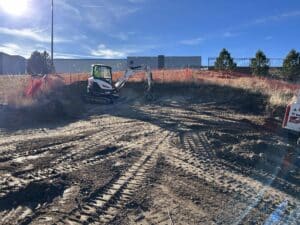
Grading is the process of shaping the land’s surface to create a level base for construction while
managing how water flows across the site. In site preparation, grading ensures:

  • Proper building pad elevation: Prevents water from pooling near foundations.
  • Stable slopes: Reduces risks of erosion and landslides.
  • Efficient circulation: Creates smooth surfaces for roads, parking lots, and accessibility.

Without proper grading, a site can quickly turn into a liability. Standing water, uneven surfaces, and soil instability can derail even the most well-planned development.


The Role of Drainage in Land Development Projects

Drainage goes hand-in-hand with grading. It directs water safely away from structures, roadways, and public areas. In land development projects, effective drainage systems:

  • Protect foundations from water damage
  • Prevent flooding in parking lots and common areas
  • Reduce soil erosion and sediment buildup
  • Support compliance with stormwater regulations

Poor drainage can create a domino effect — flooding basements, damaging pavement, and undermining landscaping. Over time, these issues increase maintenance costs and diminish property value.

The Role of Grading and Drainage in Land Development Projects - Hammers Construction

Colorado’s Unique Challenges

Here in Colorado, land development requires careful planning for both grading and drainage. Our varied terrain, from plains to foothills, creates unique challenges for slope stability and water flow. Add in sudden storms or heavy snowmelt, and you have conditions where drainage mistakes become costly fast.


That’s why it’s critical to partner with contractors who understand local soil conditions, building codes, and stormwater management requirements. A one-size-fits-all approach won’t cut it in Colorado.


The Importance of Professional Expertise

Grading and drainage aren’t tasks you can leave to chance. They require detailed project management, civil engineering insight, and construction expertise. At Hammers Construction, we:

  • Evaluate soil conditions to determine stability
  • Plan grading to balance cut-and-fill for cost efficiency
  • Design drainage systems that align with local codes and site needs
  • Coordinate with engineers and inspectors to ensure compliance

By addressing grading and drainage early, we help business owners avoid costly surprises and keep their land development projects moving forward.


Protecting Your Investment

Proper site preparation protects your structures, enhances safety, and ensures your development stands the test of time. Without the right grading and drainage, even the best-designed building can face costly problems down the road. At Hammers Construction, we know that every great building begins with great groundwork. Our team brings decades of experience in land development projects, handling everything from soil evaluation and grading to drainage and infrastructure planning.

When you partner with us, you’re not just getting a construction crew; you’re getting trusted, local experts dedicated to building safe, stable, and valuable developments from the ground up. We take pride in preparing sites that give our clients peace of mind long after the ribbon is cut.

Planning your next project? Let’s make sure it starts on solid ground. Contact Hammers Construction today to learn more about our land development services!

KEY TAKEAWAYS:

  • Modern office construction needs to balance privacy and collaboration to create spaces that work for every employee.
  • A smart floor plan combines private offices, open work areas, and shared spaces like conference rooms.
  • Key considerations include acoustics, lighting, circulation, and employee well being.
  • Thoughtful design and professional project management ensure offices support both productivity and company culture.


The Evolution of Office Construction

For decades, offices leaned heavily in one direction or another: private offices for executives or large open floors filled with cubicles. Today, the most effective workplaces are rarely one-size-fits-all. Instead, modern office construction focuses on flexibility, creating spaces that allow for both heads-down concentration and team collaboration.

Balancing these needs requires more than a few walls or desks. It takes intentional design, build-outs, and tenant improvements that align with how a company works now, and how it might evolve in the future.

Office Construction - Hammers Construction


The Case for Private Offices

Private offices still matter in today’s workplace. They provide quiet areas for focus, confidential conversations, and leadership visibility. Private offices can:

  • Support roles that require concentration or discretion
  • Give employees spaces to step away from distractions
  • Enhance comfort by reducing noise and interruptions

However, building too many private offices can limit collaboration and create a sense of isolation. The key is finding the right proportion within the overall floor plan.


The Benefits of Open Workspaces

On the other hand, open work areas encourage communication, teamwork, and quick problem-solving. They make the most of square footage and often bring energy to the workplace. Open layouts can:

  • Improve visibility and connection among team members
  • Allow flexibility for changing team sizes or project needs
  • Maximize natural light and improve circulation

But open spaces come with challenges. Without careful attention to acoustics and lighting, they can feel noisy or overwhelming. Employees may struggle to focus if there are no quiet zones available.


Striking the Right Balance

The most successful office construction projects are those that strike the right balance. That balance often looks like:

  • Hybrid layouts: Combining private offices, open desks, and shared meeting rooms
  • Acoustic planning: Using materials and partitions to control sound in open spaces
  • Smart lighting: Layering natural and artificial light to support productivity and comfort
  • Flexibility: Designing spaces that can shift as the company grows or adapts to hybrid work models

In many cases, companies benefit from semi-private solutions, such as phone booths, breakout rooms, or enclosed pods within open layouts. These allow employees to move between collaborative and private spaces depending on the task.


The Role of Professional Office Construction

Balancing private and open spaces isn’t just a design decision; it’s a construction challenge. Contractors must manage details like mechanical systems, HVAC, circulation pathways, and compliance while keeping the project management timeline on track.

At Hammers Construction, we work closely with clients to understand how their teams operate before finalizing tenant improvements or build-outs. This ensures the finished office is both functional and aesthetically pleasing.


Building Offices That Work

Modern office construction isn’t about choosing private offices or open workspaces. It’s about blending both into a cohesive environment. By combining thoughtful design with quality construction, businesses can create spaces where employees focus when needed, collaborate when inspired, and thrive every day.

At Hammers Construction, we specialize in building offices that balance efficiency, flexibility, and culture. Whether you’re planning a full build-out or upgrading your current workspace, our team can help create an office that truly works for your business.

Ready to rethink your office space? Let’s build a workplace that’s built for the way you work. Get in touch with us today, or browse our favorite office builds!

What Every Owner Should Know Before Opening Day

KEY TAKEAWAYS:

  • Restaurant construction is about more than just walls and finishes. It directly impacts efficiency,
    guest experience, and long-term success.
  • Key considerations include kitchen layout, dining space, seating, circulation, HVAC, and lighting
    design.
  • Owners should prepare for permitting, compliance, and inspections early in the process to avoid
    delays.
  • Choosing the right contractor ensures your vision comes to life on time and within budget.


Why Good Restaurant Construction Matters

Opening a restaurant isn’t just about the food; it’s about the feeling. From the moment guests walk through the door, they’re forming opinions about your brand long before their first bite. The layout, lighting, seating, and flow of the space all shape that experience.

That’s where great restaurant construction makes all the difference. A well-executed build-out does more than house your kitchen; it brings your vision to life, supports your staff, and sets the stage for unforgettable guest experiences. When your space is built with intention, it becomes part of what keeps customers coming back.


Plan Your Kitchen Layout Carefully

In restaurant construction, the kitchen layout is the heart of the operation. Staff need a space that maximizes efficiency while meeting health and safety standards. A poorly planned kitchen can lead to delays in food prep, overcrowded workstations, and costly long-term fixes.

  • When designing your build-out, think about:
  • Workflow efficiency: Stations should be positioned logically, from prep to cooking to plating.
  • Compliance: Equipment and spacing must meet local health codes.
  • HVAC and ventilation: Proper systems keep kitchens safe, cool, and compliant.

A smart kitchen layout saves time, reduces stress for staff, and sets the stage for smooth service on opening day.


Designing Dining Spaces That Work

Guests may never see the kitchen, but they’ll spend their time in your dining space, and that means construction decisions here matter just as much. The seating layout, lighting, and circulation should work together to create a comfortable, inviting atmosphere.

Some things to consider include:

  • Seating balance: Maximize capacity without making the space feel cramped.
  • Lighting design: Warm, thoughtful lighting enhances the dining experience.
  • Accessibility: Ensure the space meets ADA requirements and is comfortable for all guests.

The right approach creates a space where people feel welcome to stay, return, and recommend to others.


Navigating Permits and Compliance

One of the most overlooked parts of restaurant construction is the permitting process. Between building codes, fire safety requirements, and health department regulations, restaurant owners can quickly feel overwhelmed. Starting this process early, with the help of an experienced contractor, avoids costly delays.

  • Key areas of compliance include:
  • Electrical and plumbing inspections
  • Fire suppression systems
  • HVAC and ventilation standards
  • Accessibility requirements


Choosing the Right Contractor

Restaurant build-outs require a contractor who understands the unique challenges of the industry. From tenant finish work to coordinating with local inspectors, your construction partner should bring expertise in project management, scheduling, and budgeting.

The right team will not only deliver a polished, code-compliant space but also anticipate challenges before they become problems. That means your grand opening stays on schedule and your staff can focus on serving customers instead of dealing with delays.


Get the Right Restaurant Construction Partner

Good restaurant construction is about more than creating a place to eat; it’s about building an experience. With careful attention to kitchen efficiency, dining atmosphere, compliance, and brand alignment, your build out can become the foundation for a thriving business.

At Hammers Construction, we specialize in creating spaces that work for both staff and guests. Whether you’re opening your first restaurant or expanding a franchise, our team is here to help you get the most out of it.

Let’s build something your staff and your community will love. Contact us today to get started, or browse some of our favorite restaurant projects!