KEY TAKEAWAYS:

  • Here are the top 10 tenant improvements to help maximize small offices:
    • Open Floor Plans: Remove walls to create a collaborative and flexible workspace.
    • Multi-Functional Furniture: Use desks, tables, and chairs that serve multiple purposes to save space.
    • Vertical Storage Solutions: Install shelves and cabinets on walls to free up floor space and keep the office organized.
    • Glass Partitions: Use glass to create private areas without closing off the space, allowing natural light to flow.
    • Modular Workstations: Customize and rearrange workstations to fit changing business needs.
    • Compact Break Areas: Create a functional break area with compact appliances and furniture.
    • Efficient Lighting: Combine natural and LED lighting to brighten up the office and create an illusion of more space.
    • Flexible Meeting Spaces: Use movable walls and mobile furniture to create versatile meeting areas.
    • Smart Storage Solutions: Incorporate under-desk drawers, wall-mounted systems, and hidden storage to keep the office tidy.
    • Creative Use of Colors and Materials: Use light, neutral colors and materials like glass and metal to enhance the sense of space.


When it comes to small office spaces, every square foot counts. Efficient use of space can not only improve productivity but also create a more pleasant and inviting work environment. Here are 10 tenant improvement ideas that can help you maximize your small office space effectively.


The 10 Best Tenant Improvements for Small Office Spaces

1). Open Floor Plans

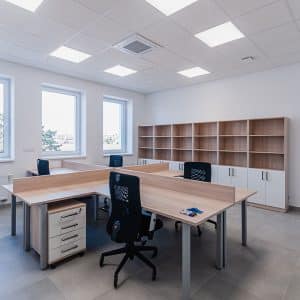
Tenant Improvements - Hammers Construction
Tenant Improvements – Hammers Construction

Open floor plans are a great way to make a small office feel larger and more spacious. By removing unnecessary walls and partitions, you can create a more collaborative environment and allow for flexible workspaces that can be easily reconfigured as your needs change.


2). Multi-Functional Furniture

Invest in furniture that serves multiple purposes. Desks that double as storage units, foldable tables, and stackable chairs can save space and increase functionality. Multi-functional furniture is especially useful in small offices where every piece needs to earn its keep.


3). Vertical Storage Solutions

When floor space is limited, think vertically. Installing shelves, cabinets, and storage units on walls can free up valuable floor space. Vertical storage solutions help keep the office organized and clutter-free, making the area feel larger and more open.


4). Glass Partitions

Glass partitions can create private spaces without making the office feel closed off. They allow natural light to flow through the office, which can make the space feel brighter and more expansive. Glass partitions are one of the most popular tenant improvements out there, and they offer a stylish and modern way to divide areas without sacrificing openness.


5). Modular Workstations

Modular workstations can be customized and rearranged to fit the changing needs of your business. These flexible workstations can be easily moved or adjusted, providing a dynamic solution that grows with your company.


6). Compact Break Areas

Even in a small office, having a break area is important. Opt for compact appliances and furniture to create a cozy yet functional break area. A small kitchenette with a mini-fridge, microwave, and a coffee maker can go a long way in boosting employee morale.


7). Efficient Lighting

Proper lighting can make a significant difference in a small office. Use a combination of natural and artificial lighting to brighten up the space. LED lights are energy-efficient and can be strategically placed to eliminate dark corners and create an illusion of more space.


8). Flexible Meeting Spaces

Instead of dedicating a large room for meetings, consider flexible meeting spaces that can be used for various purposes. Movable walls, retractable screens, and mobile furniture can transform a common area into a meeting room when needed.


9). Smart Storage Solutions

Incorporate smart storage solutions like under-desk drawers, wall-mounted filing systems, and hidden storage compartments. These solutions help keep the office tidy and ensure that every item has its place, which is crucial in a small office.


10). Creative Use of Colors and Materials

Colors and materials play a significant role in how spacious a room feels. Lighter colors can make a small space feel larger and more open, while dark colors can make it feel cramped. Use a palette of light, neutral colors and incorporate materials like glass and metal to reflect light and enhance the sense of space.


Ask Us About Our Specialized Tenant Improvements in Colorado Springs!

Maximizing space in a small office requires a blend of creativity, functionality, and smart design choices. By implementing these tenant improvement ideas, you can create an efficient, productive, and pleasant work environment that makes the most of your available space.

Ready to transform your small office into a more efficient and inviting space? Contact Hammers Construction in Colorado Springs for all your tenant improvements in COS! Our expert team is here to help you create a workspace that meets your needs and maximizes your space. Reach out today to get started on your next project!

KEY TAKEAWAYS:

  • Here are the top trends shaping the future of commercial construction projects:
    • Omnichannel retail integration blurs lines between online and offline shopping, driving the need for flexible commercial spaces.
    • Experiential retail focuses on creating immersive, memorable shopping environments that go beyond transactions.
    • Sustainability is a priority, with eco-friendly materials and energy-efficient systems becoming standard in commercial construction.
    • Flexible and adaptive spaces allow retailers to quickly respond to changing market demands and consumer preferences.
    • Technology integration enhances the shopping experience, with AR, VR, and interactive kiosks becoming commonplace in retail environments.


Commercial Construction Projects - Hammers Construction
Commercial Construction Projects – Hammers Construction

The retail construction industry is constantly evolving. As consumer needs and preferences change and as technological advancements redefine the way we shop, retail spaces are undergoing a dramatic transformation. In fact, many business owners are struggling to keep up with the demands of the modern marketplace. That’s where having a team who specializes in commercial construction projects can come in handy.

As your trusted construction specialists in Colorado Springs, we love educating local businesses about the latest up-and-coming trends in the retail construction industry. If you’re planning a retail project, then let us help you get the most out of it! Let’s talk about some of the key trends that are driving the evolution of commercial construction projects.


The Latest Trends in Commercial Construction Projects 

1). Embracing Omnichannel Retail 

In today’s digital age, the lines between online and offline shopping are becoming increasingly blurred. Retailers are embracing omnichannel strategies, seamlessly integrating their physical stores with online platforms. This shift has significant implications for commercial construction, as retail spaces need to accommodate click-and-collect services, interactive digital displays, and flexible layouts that cater to both in-store and online shoppers.


2). Experiential Retail Environments 

In an era where experiences matter as much as products, retailers are investing in creating immersive and memorable shopping environments. Commercial construction projects are focusing on designing spaces that offer more than just transactions, but also opportunities for discovery, entertainment, and community engagement. From pop-up shops and interactive exhibits to live demonstrations and themed environments, experiential retail is redefining the way consumers interact with brands.


3). Sustainable Design and Practices 

Environmental sustainability is no longer a niche concern but a mainstream priority for retailers and consumers alike. Commercial retail construction projects are now incorporating sustainable design principles and practices to minimize their environmental footprint. This includes using eco-friendly building materials, implementing energy-efficient systems, and integrating renewable energy sources like solar panels. By prioritizing sustainability, retailers not only reduce operating costs but also appeal to environmentally conscious consumers.


4). Flexible and Adaptive Spaces

The rise of e-commerce and changing consumer behaviors have led retailers to rethink traditional store formats. Commercial construction projects are embracing flexibility and adaptability, creating modular spaces that can easily be reconfigured to accommodate shifting demands. From pop-up stores and temporary installations to flexible lease agreements, retailers are seeking agile solutions that allow them to respond quickly to market trends and consumer preferences.


5). Integration of Technology 

Technology continues to revolutionize the retail industry, and commercial construction is at the forefront of this digital transformation. Retail spaces are incorporating cutting-edge technologies such as augmented reality (AR), virtual reality (VR), smart mirrors, and interactive kiosks to enhance the shopping experience. By seamlessly integrating technology into the physical environment, retailers can create immersive, personalized, and engaging experiences that drive customer loyalty and sales.


Ask Us About Our Commercial Construction Projects in Colorado Springs!

As the retail landscape evolves, it’s essential for businesses to partner with experienced commercial construction firms that understand the unique challenges and opportunities of the industry. At Hammers Construction, we specialize in delivering innovative and sustainable retail spaces that meet the needs of today’s discerning consumers. Contact us today to learn more about how we can bring your retail vision to life!

KEY TAKEAWAYS: 

  • Here are the top 6 commercial building designs:
    • Sustainable Architecture: Embrace green building practices like energy-efficient systems and recycled materials.
    • Flexible Spaces: Design adaptable layouts to promote collaboration and versatility.
    • Smart Technology Integration: Implement IoT devices and automation systems for enhanced efficiency and security.
    • Biophilic Design Elements: Incorporate natural light, greenery, and outdoor spaces for occupant well-being.
    • Mixed-Use Developments: Create vibrant communities with integrated offices, retail, and entertainment spaces.
    • Adaptive Reuse Projects: Repurpose existing structures to preserve heritage and add character to urban areas.


Innovations in Commercial Building Designs: Shaping the Modern Landscape

Commercial Building Designs - Hammers Construction
Commercial Building Designs – Hammers Construction

In today’s dynamic business environment, commercial buildings are more than just structures; they’re embodiments of innovation, functionality, and sustainability. The top modern commercial building designs reflect a harmonious blend of aesthetics, efficiency, and environmental consciousness. At Hammers Construction, we take pride in pioneering cutting-edge designs that redefine the commercial landscape. That’s why we’re committed to staying ahead of the commercial design curve. Let’s talk about some of the top commercial building designs shaping the modern era of commercial construction.


Today’s Trending Commercial Building Designs

1). Sustainable Architecture

Sustainability is no longer an option but a necessity in commercial building design. Green building practices, such as energy-efficient systems, recycled materials, and green roofs, are becoming increasingly popular. These designs not only reduce environmental impact but also lower operational costs for businesses in the long run.


2). Flexible Spaces 

The traditional office layout is evolving to accommodate the changing needs of businesses and employees. Flexible floor plans that promote collaboration, adaptability, and multifunctionality are gaining popularity. From open workspaces to modular furniture, modern commercial buildings are prioritizing versatility and user-centric design.


3). Smart Technology Integration 

Technology plays an important role in shaping the future of commercial buildings. Smart buildings equipped with IoT (Internet of Things) devices, automation systems, and advanced security features enhance efficiency, productivity, and occupant comfort. From intelligent lighting to automated HVAC systems, these innovations optimize building performance while minimizing energy consumption.


4). Biophilic Design Elements

Connecting with nature within the built environment has proven benefits for occupant well-being and productivity. Biophilic design principles, such as incorporating natural light, greenery, and outdoor spaces, are central to modern commercial building designs. These elements create healthier, more vibrant work environments that inspire creativity and enhance overall satisfaction.


5). Mixed-Use Developments 

The concept of mixed-use developments continues to gain traction, blurring the lines between commercial, residential, and recreational spaces. Integrating offices, retail outlets, dining options, and entertainment venues into one cohesive environment fosters vibrant communities and enhances urban livability.


6). Adaptive Reuse Projects 

In an era of sustainability and resource conservation, adaptive reuse projects are gaining momentum. Repurposing existing structures, such as warehouses, factories, or historic buildings, for modern commercial use not only preserves architectural heritage but also adds character and uniqueness to the urban fabric.


Talk to Your Local Construction Experts About Trending Commercial Building Designs 

As the commercial construction industry continues to evolve, our team is staying ahead of the curve. At Hammers Construction, we’re a team of local construction specialists based in Colorado Springs, CO. We’re committed to delivering innovative, sustainable, and aesthetically pleasing solutions that meet the diverse needs of our clients. Whether you’re envisioning a sleek corporate office, a trendy retail space, or a state-of-the-art mixed-use development, our team of experts is here to bring your vision to life.

Get the most out of your next construction project by taking advantage of today’s top commercial building designs! Learn more about our construction services, and contact us today to get connected with a member of the Hammers Construction team!

The USD 1.2 trillion Infrastructure Investment and Jobs Act will drive growth in construction over the next five years.

This growth creates exciting opportunities for those looking to expand or establish a presence in the U.S. commercial real estate market. With so many players in the market, choosing the right construction company is crucial to capitalize on this booming market.

Use this guide to find the perfect commercial building company in Denver.

Integrated Design-Build Services

Every construction project involves two key phases: design and build. These two stages are distinct but intertwine for a successful project.

When choosing a commercial building company, it’s crucial to consider if they’re design-build construction experts. Their integrated approach combines the design and construction phases into a single, streamlined process. This means your project will benefit from enhanced coordination, communication, and efficiency, ensuring a seamless experience from start to finish.

Integrated design-build services also allow for more accurate budgeting and scheduling. Because the design and construction teams work together from the beginning, there are fewer surprises and adjustments needed along the way. This can save you time and money, ensuring your project stays on track and within budget.

Customization and Flexibility

Every commercial project has unique requirements and challenges. A reputable commercial building contractor in Denver can tailor their services to meet your needs. This includes:

  • Customizing the design to fit your functional and aesthetic requirements
  • Having the flexibility to adapt to any changes that arise during the project

Customization also means the contractor can provide solutions designed to optimize your business operations. For example, they might incorporate energy-efficient systems, advanced security features, or specialized workspaces that enhance productivity.

Flexibility ensures that if any unexpected issues arise, the contractor can adjust the plans without compromising the overall project goals. This adaptability is crucial for delivering a final product that meets your exact specifications.

Pre-Construction Planning

Effective pre-construction planning is vital for the success of any commercial building project. This phase involves detailed planning and preparation to ensure everything is set for the construction to begin smoothly.

A professional contractor will conduct thorough site assessments, feasibility studies, and risk analyses. They will also work with you to define clear project goals, timelines, and budgets. Pre-construction planning also includes obtaining necessary permits and approvals, which can be a complex process.

Experienced Denver design-build contractors will navigate these regulatory requirements efficiently, preventing delays and ensuring compliance with all local building codes. By investing time in comprehensive pre-construction planning, you can avoid costly setbacks and ensure the construction phase proceeds without any major hiccups.

Advanced Technology and Tools

In today’s construction industry, the use of advanced technology and tools can significantly impact the quality and efficiency of a project.

When selecting a commercial building company, look for one that uses the latest construction technologies. This might include Building Information Modeling (BIM), which allows for detailed 3D models of the project, helping to visualize the end result and identify potential issues early on.

Advanced tools also include project management software that enhances communication and coordination. These technologies enable real-time updates, more accurate scheduling, and better resource management.

For commercial construction firms in Colorado, adopting such technologies demonstrates a commitment to innovation and excellence. This ensures your project benefits from the best available methods and practices.

Sustainability Practices

Sustainability is becoming increasingly important in commercial construction due to environmental concerns and economic implications.

If environmental responsibility matters to you, choose a contractor with strong sustainability practices. This includes using eco-friendly materials, energy-efficient designs, and sustainable construction methods.

These practices not only reduce the environmental impact but can also result in long-term cost savings through reduced energy bills and maintenance costs.

Denver design-build contractors who prioritize sustainable design strategies can also help you achieve certifications like LEED (Leadership in Energy and Environmental Design). Such certifications can enhance your building’s marketability and appeal by showing a commitment to environmental stewardship.

Communication and Collaboration

Effective communication and collaboration are key to the success of any construction project. A good commercial building company will ensure clear and open communication with you throughout the project. This includes:

  • Regular updates on progress
  • Timely responses to your questions
  • Proactive communication about any potential issues or changes

Additionally, evaluate how well the contractor works with other stakeholders, such as architects, engineers, and subcontractors. A collaborative approach ensures everyone is aligned and working towards the same goals. This can prevent misunderstandings, reduce delays, and result in a more cohesive final product.

Colorado Springs construction services emphasize communication and collaboration and can significantly enhance the overall project experience.

Quality Control and Assurance

A reputable contractor will have robust quality control processes in place. These include regular inspections, adherence to industry standards, and thorough testing of all systems and components. This helps ensure every aspect of the project meets the highest building standards.

Quality assurance also involves post-construction support to address any issues that may arise after the project is finished. This commitment to quality ensures your building is completed on time and within budget and meets your expectations of durability, functionality, and aesthetics.

Finance Assistance

Commercial construction projects, especially those involving design-build construction, can be costly. The initial expenses for design, permits, materials, and labor can add up quickly. Securing financing is a crucial step in the commercial construction process, and having the right support can make all the difference.

When you work with a professional commercial building company, they can often assist with financing. Experienced contractors understand the financial demands of large-scale projects and can guide you through various financing options. They might even connect you with lenders specializing in construction loans or help you structure a payment plan that aligns with your budget and project timeline.

Having a solid financial plan in place also gives you peace of mind. It ensures that all aspects of your project are funded from start to finish, reducing the risk of delays caused by financial shortfalls. By securing the necessary financing, you can focus on other important aspects of your project, knowing the financial side is well-managed.

Safety Record

Construction-related accidents and injuries can lead to delays, increased costs, and legal issues. Safety should be a top priority in any construction project.

A reputable contractor will have stringent safety protocols, including regular training, safety audits, and compliance with OSHA standards. They’re less likely to experience project disruptions, ensuring your project stays on schedule. This commitment to safety also reflects their professionalism and dedication to maintaining a safe work environment.

A strong safety record is a testament to a contractor’s commitment to the well-being of their workers and the success of the project. It also helps minimize your liability risk as a project owner.

Local Knowledge

A contractor familiar with the local area will have a better understanding of regional building codes, regulations, and permit requirements. They’ll also be more aware of the local climate and environmental conditions, which can impact construction methods and materials.

Local knowledge extends to relationships with local suppliers and subcontractors, which can result in better pricing and more reliable service.
A commercial building company in Colorado Springs with strong local ties can navigate the complexities of the local construction landscape smoothly, ensuring project success.

Innovation and Creativity

Innovation and creativity set progressive contractors apart from the rest. These qualities are particularly important in design-build construction, where unique and customized solutions are often required.

A contractor who values innovation will be more adept at finding creative solutions to design challenges, optimizing space, and incorporating the latest construction trends and technologies.

Creative design solutions can enhance the functionality and aesthetic appeal of your building, making it a more attractive and effective space for your business. Choosing a contractor that prioritizes innovation ensures that your project benefits from fresh ideas and cutting-edge practices that can set your building apart.

Commitment to Customer Satisfaction

A contractor’s commitment to customer satisfaction is vital. This commitment can be seen in their approach to problem-solving, attention to detail, and responsiveness to your concerns.

Don’t focus on the design and build stages alone. Consider what support the company offers after the project is completed. Reliable Denver design-build contractors will provide warranties and ongoing maintenance services to ensure your building remains in top condition.

This post-construction support is crucial for addressing any issues that may arise and maintaining the long-term quality of your property. It reflects the company’s confidence in their work and dedication to client satisfaction. This means peace of mind knowing your investment is protected and well-maintained.

Hammers Construction: Your Trusted Commercial Building Company in Denver

Choosing a design-build company for your commercial project is an important decision. The ideal partner will bring expertise, experience, and local knowledge. This ensures your project meets all regulations, stays on schedule, and respects your budget.

They’ll also offer valuable insights to optimize both functionality and aesthetics. This ensures your building works flawlessly and looks its best, making a lasting impression.

Need a reliable commercial building company in Denver? Harmers Construction has a proven track record of success serving Denver and surrounding areas. Get in touch today to learn more about our design-build approach and processes.

KEY TAKEAWAYS: 

  • The best questions to ask during the pre-construction phase include:
    • What are the project objectives?
    • What is the budget allocation?
    • Have potential risks been identified?
    • Who are the key stakeholders?
    • What is the project timeline?
    • Are there opportunities for value engineering?
    • What sustainability measures will be implemented?
    • How will communication be facilitated?
    • What are the local regulations and permitting requirements?
    • How will quality control be maintained?


Pre-Construction Planning - Hammers Construction
Pre-Construction Planning – Hammers Construction

Starting a new construction project? Congratulations! You have an exciting journey ahead of you! But before the first brick is laid or the initial blueprint is drawn, there’s an important phase to tackle. It’s called the “pre-construction phase”, and it’s a phase that can dramatically influence your project’s outcome. During this pivotal period, you and your construction team will plan, strategize, and problem-solve. So, it’s during this phase that you’ll want to ask all of the right questions.

Here are some of the best questions to ask during the pre-construction phase (as told by your local construction experts).


Navigating the Pre-Construction Phase: Key Questions to Ask

1). What are the Project Objectives?

Clarifying the goals of the project is crucial. Whether it’s creating a commercial space or building a bustling shopping center, it’s important to make sure that both you and your construction team are on the same page.

What is the project vision? What do you want the space to be? What value will it add to the community? Make sure you have clearly outlined the project goals, and ensure that your team understands the vision clearly.


2). What is the Budget Allocation?

Money matters, and establishing a clear budget early on is key. Delve into specifics to determine how funds will be allocated across various aspects of the project, from materials to labor costs.


3). Have Potential Risks Been Identified?

Every construction project carries inherent risks. Identifying and mitigating these risks beforehand can save time, money, and headaches down the road. From regulatory hurdles to environmental concerns, addressing potential challenges preemptively is a game-changer.


4). Who Are the Key Stakeholders?

Collaboration is at the heart of successful construction endeavors. Identifying key stakeholders — whether they’re investors, architects, or community members — ensures that everyone’s expectations are aligned from the outset.


5). What is the Project Timeline?

Time is of the essence in construction. Establishing a realistic timeline, complete with milestones and deadlines, provides a roadmap for progress and helps manage expectations.


6). Are There Opportunities for Value Engineering?

Value engineering involves finding innovative ways to optimize costs without sacrificing quality. Exploring opportunities for value engineering during the pre-construction phase can lead to significant savings without compromising the integrity of the project.


7). What Sustainability Measures Will Be Implemented?

In an age of environmental consciousness, sustainability is important. Discussing sustainability measures — from energy-efficient design to eco-friendly materials — during this phase underscores a commitment to responsible building practices.


8). How Will Communication be Facilitated?

Effective communication is the cornerstone of any successful project. Establishing clear channels of communication, including regular meetings and progress reports, fosters transparency and ensures that everyone remains informed and engaged.


9). What Are the Local Regulations and Permitting Requirements?

Navigating the maze of local regulations and permitting requirements can be daunting. By addressing these considerations early in the pre-construction phase, potential delays and compliance issues can be mitigated.


10). How Will Quality Control be Maintained?

Quality is non-negotiable in construction. Discussing quality control measures — from inspections to material sourcing — ensures that the finished project meets or exceeds expectations.


Get Professional Guidance for Your Pre-Construction Phase

The success of your project hinges on the pre-construction phase. By asking the right questions and collaborating with experienced professionals, you can lay a solid foundation for a successful outcome.

That’s where we can help! At Hammers Construction, we specialize in pre-construction planning for design-build projects. With our expertise and commitment to excellence, we’ll help bring your vision to life, from concept to completion. Learn more today, and contact us to get connected with our team in Colorado Springs!  

KEY TAKEAWAYS:

  • Best Landscape Designs for Businesses in Colorado:
    • Xeriscaping: Utilize drought-tolerant plants and native grasses for low-maintenance, water-efficient landscapes.
    • Alpine Gardens: Incorporate hardy, cold-resistant plants that thrive in high-altitude environments to embrace Colorado’s mountainous terrain.
    • Sustainable Landscapes: Implement features like rainwater harvesting systems and native plantings to demonstrate environmental stewardship.
    • Outdoor Gathering Spaces: Create inviting outdoor areas with cozy seating and decorative elements to foster a sense of community and relaxation.
    • Seasonal Color Displays: Enhance curb appeal year-round with vibrant seasonal flower displays, adding pops of color and visual interest.


Elevate Your Business with the Best Landscape Designs in Colorado


Landscape Designs - Hammers Construction
Landscape Designs – Hammers Construction

Colorado has been voted one of the most beautiful states in the U.S., and this is largely thanks to its stunning alpine scenery. Because of this, Colorado businesses have a unique leg-up. Local businesses can capitalize on Colorado’s scenery by employing landscape designs that perfectly compliment the state’s natural beauty. That’s why we’ve put together this list of some of the best landscape designs for local businesses. Take advantage of these gorgeous and practical design concepts to get the most out of your Colorado business!


1). Xeriscaping

Given Colorado’s semi-arid climate and limited water resources, xeriscaping has become increasingly popular for commercial landscapes. Xeriscaping involves using drought-tolerant plants, native grasses, and efficient irrigation techniques to create low-maintenance, water-efficient landscapes. Not only does xeriscaping conserve water and reduce maintenance costs, but it also celebrates the natural beauty of Colorado’s native flora.


2). Alpine Gardens

Embrace Colorado’s mountainous terrain by incorporating alpine gardens into your business landscape design. Alpine gardens feature hardy, cold-resistant plants such as alpine perennials, dwarf conifers, and flowering shrubs that thrive in high-altitude environments. These gardens add a touch of rugged beauty to commercial properties while complementing the surrounding natural landscape.


3). Sustainable Landscapes

As sustainability becomes increasingly important in business practices, incorporating sustainable landscaping elements can demonstrate your commitment to environmental stewardship. Sustainable landscape designs may include features such as rainwater harvesting systems, permeable pavement, energy-efficient lighting, and native plantings that support local ecosystems. By adopting sustainable landscaping practices, businesses can reduce their environmental footprint and enhance their corporate image.


4). Outdoor Gathering Spaces

Coloradans love the outdoors! Create inviting outdoor gathering spaces that encourage social interaction and relaxation. Whether it’s a cozy patio, a shaded seating area, or a vibrant courtyard, outdoor spaces provide employees and customers with a welcoming environment to unwind, collaborate, or enjoy a break outdoors. Incorporate comfortable seating, decorative planters, and ambient lighting to enhance the atmosphere and foster a sense of community.


5). Seasonal Color Displays

Add a pop of color and visual interest to your business landscape with seasonal flower displays. Planting seasonal flowers and foliage ensures that your landscape remains vibrant and appealing year-round. From colorful annuals in the spring and summer to ornamental grasses and autumn foliage in the fall, seasonal color displays can enhance the aesthetic appeal of your business property and create memorable experiences for visitors.


Transform Your Business Landscape Designs with Hammers Construction

Get the most out of your Colorado business with stunning, Colorado-friendly landscape designs! At Hammers Construction, we specialize in construction and commercial landscaping services. As a fellow Colorado business, we understand what makes local businesses truly flourish. So, when it comes to commercial landscaping, you can trust that you’re in the best possible hands when you choose to partner with Hammers Construction.

Ready to upgrade your business’s curb appeal? Get in touch with us today! Our team specializes in creating custom landscape designs for Colorado businesses. From xeriscaping and alpine gardens to sustainable landscapes and outdoor gathering spaces, we’ll work closely with you to bring your vision to life. Contact us today to set up a consultation!

KEY TAKEAWAYS: 

  • Challenges of Construction Loans:
    • Credit history and financial standing are scrutinized.
    • Substantial down payment requirements, typically 20% to 30%.
    • Detailed project plans and budget documentation are necessary.
    • Construction experience and expertise are preferred.
    • Finding the right lender specializing in construction loans is crucial.
    • Navigating the loan approval process can be complex and time-consuming.
  • Hammers Construction Solutions:
    • Help in finding suitable financiers for projects.
    • Provide accurate per-square-foot construction cost estimates.
    • Assist in creating design-build agreements and service contracts.
    • Streamline the loan approval process by ensuring all necessary documentation is in order.


Navigating the Construction Loans Approval Process

Construction Loans - Hammers Construction
Construction Loans – Hammers Construction

Construction projects are exciting. Securing financing for construction projects is not. When you’re on the hunt for construction loans, you’ll face several hurdles along the way. From project budgets to loan approvals, construction financing is often a painful process. That’s why we’re here to make it a little easier.

First, let’s talk about what you can expect when you’re searching for construction loans. Then, we’ll tell you how you can get expert financing help from seasoned professionals in the field.


What To Expect When You’re Looking for Construction Loans 

1). Credit History and Financial Standing

One of the biggest hurdles in obtaining a construction loan is credit restrictions. You’ll need to prove that you have a strong credit history and financial stability. Lenders scrutinize your credit score, income, debt-to-income ratio, and assets to assess your ability to repay the loan. Any blemishes on your credit report or financial instability can make it challenging to secure financing.


2). Down Payment Requirements

Unlike traditional mortgages, construction loans typically require a sizable down payment. Lenders may expect you to contribute 20% to 30% of the project’s total cost upfront. Saving up for a substantial down payment can be difficult, especially for large-scale construction projects.


3). Detailed Project Plans and Budget

To secure financing, you’ll need to present detailed project plans and a comprehensive budget to lenders. This includes architectural drawings, construction timelines, cost estimates, and a breakdown of expenses. Creating accurate and thorough project documentation requires careful planning and coordination with architects, engineers, and contractors.


4). Construction Experience and Expertise

Lenders prefer to work with borrowers who have experience in construction or real estate development. If you’re not working with a reputable builder, then you may find it difficult to obtain proper financing.


5). Finding the Right Lender

Not all lenders offer construction loans, and those that do may have varying requirements and terms. Researching and identifying reputable lenders who specialize in construction financing is crucial. Working with a trusted construction company like Hammers Construction can help you navigate the lending landscape and connect you with financiers who understand your project’s unique needs.


6). Navigating the Loan Approval Process

Once you’ve found a lender, navigating the loan approval process can be complex and time-consuming. From completing paperwork to satisfying lender requirements, the process requires attention to detail and patience. Partnering with a reputable construction company can often help you streamline the process and ensure all necessary documentation is in order.


Take the Stress Out of Construction Financing with Hammers Construction

At Hammers Construction, we understand the challenges of securing construction loans. That’s why our team of construction specialists are here to help from start to finish. As a reputable construction company based in Colorado Springs, CO, we have a proven track record of turning blueprints into flourishing local businesses. Our team of experts can assist you find the best financiers for your project, provide accurate per-square-foot construction costs to support your financing applications, and create design-build agreements and service contracts tailored to your needs. Contact us today to learn more about how we can simplify the construction financing process and help you secure the best construction loans for your project!

You’re about to enter the design phase of your company’s new construction, and you want innovative solutions to help you stand out. So… what now?

The answer is to put your focus on thoughtful building design and construction that meets your business’s unique goals.

Today we’re covering all the steps you’ll need to follow during the design and construction process!

Understanding Building Design and Construction

Building design and construction is the art and science of shaping the spaces we live and work in. It’s about turning a vision into reality by combining creativity with engineering expertise.

The process begins with understanding the client’s needs and ideas, then developing a design that meets those goals. Construction brings this design to life through planning, building, and finishing.

In Denver’s rapidly expanding commercial market, innovative building design is essential. Businesses need spaces that reflect their brand identity and attract customers and employees. Modern commercial buildings must blend function and style to create environments that stand out.

Design is more than just aesthetics. It shapes productivity, efficiency, and overall success. So it’s important that companies work with experienced Colorado builders who understand Denver’s unique landscape.

Colorado builders play a vital role in shaping Denver’s commercial landscape. They understand the region’s architectural trends, climate challenges, and regulatory requirements. Their local expertise helps clients navigate zoning laws, permits, and building codes, ensuring a smooth process.

More importantly, they bring creativity and sustainability to every project. This helps make Denver’s commercial buildings environmentally friendly and visually striking.

Key Phases in Building Design and Construction

The building design and construction process is complex but can be broken down into key phases.

The first is conceptualization and planning. This phase involves understanding the client’s goals, analyzing the site, and developing an initial design concept. Architects, engineers, and clients collaborate closely during this stage.

Design Development

The concept evolves into detailed plans that include specifications, structural designs, and material selections. The team refines the design to ensure it meets the client’s requirements.

Permitting and Approvals

Obtaining permits and approvals from local authorities is critical before construction begins. Colorado builders must comply with strict regulations and zoning laws.

Construction and Project Management

The construction phase brings the design to life. Contractors manage timelines, budgets, and resources while ensuring quality and safety.

Finalization and Handover

Once construction is complete, the project goes through inspections and final approvals. After this, the building is handed over to the client for occupancy.

Commercial Building Trends in Denver, Colorado

One significant trend is sustainable and eco-friendly building design. With increasing awareness of climate change, companies are opting for buildings with green certifications like LEED.

They incorporate solar panels, energy-efficient windows, and rainwater harvesting systems. Green buildings reduce energy costs and help create healthier environments for employees and customers.

Another trend reshaping Denver’s commercial buildings is smart technology. Modern buildings are integrating advanced systems that improve security, efficiency, and user experience.

Automated lighting, climate control, and security systems make buildings more comfortable and responsive. Many businesses are also incorporating coworking spaces and flexible workstations that adapt to different working styles.

Other Trends

Open floor plans and flexible workspaces are gaining popularity as well. They help foster collaboration and creativity.

With fewer walls and partitions, open floor plans allow businesses to quickly reconfigure their offices. This flexibility is vital in a rapidly changing economy where companies need to scale their teams up or down.

Mixed-use developments are also becoming more common. These projects blend commercial, residential, and recreational spaces into one cohesive environment. They offer a dynamic, walkable lifestyle that appeals to Denver’s growing population.

Mixed-use buildings provide convenient access to offices, restaurants, gyms, and even apartments. They maximize land use while creating vibrant, self-sustained communities.

The Design-Build Approach to Commercial Construction

Design-build construction is an integrated approach that streamlines commercial projects from start to finish. Instead of hiring separate teams for design and construction, clients work with a single entity that handles both.

This approach ensures seamless collaboration between architects, engineers, and builders. From the initial concept to final completion, the design-build model emphasizes efficiency, communication, and cost savings.

How it Differs From Traditional Construction Approaches

Traditional construction often involves separate contracts with architects and builders. This can lead to miscommunication, delays, and cost overruns due to the lack of coordination.

In the design-build model, a single team is responsible for the entire project. This eliminates the divide between designers and builders, resulting in better coordination and quicker decision-making.

Clients don’t have to juggle multiple contracts or mediate between different teams. Instead, they have a single point of contact.

Efficiency, Cost-Effectiveness, and Collaboration

Efficiency is one of the design-build model’s biggest advantages. Since designers and builders work together from the start, potential issues are identified early and resolved quickly.

This minimizes project delays and reduces the risk of costly changes during construction. The collaborative approach ensures every team member is on the same page, leading to a smoother workflow.

Cost-effectiveness is another benefit. Early collaboration allows for accurate budgeting and better cost control.

Teams can find creative solutions to design challenges without compromising quality. By eliminating the need for multiple contracts and reducing change orders, clients save money and stay within their budgets.

Collaboration is at the heart of design-build construction. Designers and builders share a common goal: delivering a project that meets the client’s needs.

They work closely with clients throughout the process to ensure the project aligns with their vision. This partnership fosters trust, transparency, and accountability, resulting in high-quality projects.

Specific Advantages for Commercial Building Projects in Denver

In Denver’s booming commercial real estate market, the design-build approach is particularly advantageous. The city’s construction landscape can be challenging, with strict regulations and a competitive market.

Design-build teams can navigate these challenges more efficiently. They have the expertise to handle local building codes, permitting processes, and zoning laws.

Denver’s unique climate also requires specialized building designs. The design-build model allows teams to incorporate energy-efficient features like solar panels and insulation from the start.

This ensures buildings are well-suited for Denver’s hot summers and cold winters. Clients benefit from lower energy costs and buildings that meet or exceed local sustainability standards.

Key Elements of Effective Commercial Building Design and Construction

Every business has unique requirements, so the first step is thorough communication. Clients need to express their vision, and builders must listen carefully. This initial dialogue helps the design-build team develop a plan that reflects the client’s brand identity and purpose.

Creating functional yet aesthetically pleasing commercial structures is another important aspect. Buildings must offer efficient layouts that enhance productivity while also being visually appealing.

Architects and builders work together to find the right balance between functionality and design. The design should be flexible enough to adapt to future changes in the business, whether it’s adding new employees or incorporating new technology.

Incorporating sustainable practices into building design and construction has also become a key element. Energy-efficient buildings reduce operating costs and help businesses meet their environmental goals.

At Hammers Construction, we integrate features like energy-efficient windows, solar panels, and smart climate control systems. Green materials and efficient insulation help create healthier work environments. Sustainable design not only lowers a building’s carbon footprint but also improves its appeal to eco-conscious clients and employees.

Modern materials and technologies also play a big role in today’s commercial buildings. Advanced building materials can improve durability and reduce maintenance costs.

Technologies like Building Information Modeling (BIM) allow architects and builders to visualize projects in 3D before construction begins. This minimizes errors and helps teams anticipate challenges. Automation and smart systems can enhance security, comfort, and energy management.

Overcoming Challenges in Commercial Construction Projects

Commercial construction projects in Denver come with unique challenges that require careful planning and problem-solving. One of the most common issues is navigating local regulations and permitting processes.

Denver has strict zoning laws and building codes that can be tricky to manage. Builders need to ensure all plans comply with these regulations to avoid costly delays. A good design-build team like Hammers Construction understands these requirements and helps clients obtain permits quickly and efficiently.

Managing project timelines and budgets is another significant challenge. Construction delays can happen for various reasons, like unexpected weather conditions, material shortages, or design changes.

To keep projects on track, builders need detailed project management strategies that anticipate potential setbacks. Regular communication between team members and clients is essential to address issues as they arise and adjust plans if necessary.

Supply chain issues and labor shortages also pose challenges. Finding high-quality materials at reasonable prices can be tough in a competitive market. Construction companies must build strong relationships with suppliers to ensure they have reliable access to materials.

Labor shortages make it challenging to find skilled workers, but careful scheduling and collaboration can help make the most of available talent.

Design and Construction for the Future

In Denver’s competitive market, building design and construction require creativity, expertise, and strategic planning.

Hammers Construction’s Design-Build approach brings commercial structure ideas to life with innovative, sustainable, and cost-effective solutions. Over the years, HCI has earned a reputation for honesty, integrity, and professionalism in the unique design-build construction industry.

Get in touch today to find out how we can help with your projects!

KEY TAKEAWAYS:

  • Commercial Building Additions Overview:
    • Expand or renovate existing commercial properties to meet business needs.
    • Enhance space utilization, functionality, and aesthetics.
  • Benefits of Commercial Additions:
    • Increased space for growing operations.
    • Enhanced functionality and workflow efficiency.
    • Improved property value and visual appeal.
    • Adaptability to changing business requirements.
  • Popular Commercial Additions:
    • Office expansions for growing teams and collaborative workspaces.
    • Retail space extensions to showcase more products and improve the shopping experience.
    • Warehouse additions to accommodate inventory growth and optimize logistics.
    • Restaurant renovations to enhance the dining experience and attract more customers.
    • Medical facility expansions for increased patient capacity and specialized treatment areas.


Outgrowing Your Space? Commercial Building Additions May Be Exactly What You Need

Commercial Building Additions - Hammers Construction
Commercial Building Additions – Hammers Construction

Business growth is great. But that growth comes with its own set of demands. Most successful businesses find themselves in need of expansions or renovations to accommodate growing demands or to enhance functionality. That’s where commercial building additions come into play. These strategic additions are a great way to optimize your space and enhance the overall appeal of your business. Let’s talk about what commercial building additions are, their benefits, and some popular options to consider.


What Are Commercial Building Additions?

Commercial building additions refer to the process of expanding or renovating existing commercial properties to meet the evolving needs of businesses. These additions can range from small-scale enhancements to large-scale expansions, aiming to maximize space utilization, improve functionality, and enhance the overall aesthetics of the property.


Benefits of Commercial Additions:

  1. Increased Space: Commercial additions provide businesses with the opportunity to expand their workspace, accommodating growing operations and increasing capacity for employees, equipment, or inventory.
  2. Enhanced Functionality: By reconfiguring existing space or adding new structures, businesses can optimize workflow efficiency, streamline operations, and create specialized areas tailored to specific business needs.
  3. Improved Aesthetics: A well-designed commercial addition can significantly enhance the visual appeal of a property, creating a more welcoming and professional environment for customers, clients, and employees.
  4. Value Addition: Investing in commercial additions can increase the overall value of your property, making it more attractive to potential buyers or tenants in the future.
  5. Adaptability: Commercial additions offer flexibility to adapt to changing business requirements, allowing businesses to stay agile and responsive in a competitive market.


Popular Commercial Additions:

  1. Office Extensions: Adding office space can accommodate a growing workforce or create dedicated areas for meetings, collaboration, and administrative tasks.
  2. Retail Expansions: Retailers may opt for additions to create more display space, accommodate increased inventory, or expand the customer shopping area.
  3. Warehouse or Storage Facilities: Businesses with inventory or equipment storage needs can benefit from the construction of additional warehouse or storage space.
  4. Restaurant or Hospitality Additions: Restaurants and hospitality businesses may consider additions to accommodate more patrons, expand kitchen facilities, or create outdoor dining areas.
  5. Healthcare Facility Expansions: Healthcare providers may require additions to accommodate new medical equipment, additional patient rooms, or specialized treatment areas.


Interested in Commercial Building Additions? Contact Us Today! 

In today’s competitive business landscape, growth is everything. So, when it’s time to expand, commercial building additions can help. These helpful additions can help you optimize your commercial space and get the most out of every square inch. Whether you’re looking to expand your office space, upgrade retail areas, or renovate medical facilities, your business will have plenty of room to grow, thanks to commercial additions.

Interested in commercial additions? We’re here to help! At Hammers Construction, we’re a team of seasoned construction professionals based in Colorado Springs, CO. From office extensions to retail expansions and everything in between, we’ll work closely with you to create a customized solution that meets your needs and exceeds your expectations. Contact us today to discuss your commercial addition project and take the first step towards unlocking the full potential of your business!

KEY TAKEAWAYS: 

  • Importance of Predictability in Retail Construction:
    • Ensures adherence to budget, timely completion, and high-quality outcomes.
    • Fosters stakeholder confidence and long-term relationships.
  • How Hammers Construction Delivers Predictability:
    • Pre-construction planning sets clear project goals, budgets, and timelines.
    • Proactive construction designs anticipate and mitigate challenges.
    • Rigorous quality control maintains standards throughout the process.
    • Expert support for entitlements and permitting expedites approvals.
    • Post-construction assistance addresses issues promptly for ongoing satisfaction.


Ensuring Success: The Vital Role of Predictability in Retail Construction


Retail Construction - Hammers Construction
Retail Construction – Hammers Construction

In the fast-paced world of retail construction, predictability is crucial. Every project, from groundbreaking to grand opening, demands meticulous planning, proactive execution, and unwavering quality. At Hammers Construction, we understand the importance of predictability in delivering successful construction projects. Let’s talk about why predictability is so important (and why you should never settle for anything less). 


Why Predictability is So Important 

Predictability forms the foundation of successful retail construction projects for several reasons:


1). Budget Adherence: The last thing you’ll want is surprise costs and budget overruns. A predictable construction experience will guarantee that your project stays within your budget and avoids costly delays.


2). Timely Completion: Predictable timelines allow for efficient project management, ensuring that retail spaces are completed on schedule and ready for business.


3). Quality Assurance: A predictable construction experience fosters consistency and reliability in construction methods, materials, and craftsmanship. This results in high-quality retail environments that meet or exceed expectations.


4). Stakeholder Confidence: Predictable construction efforts will instill confidence in stakeholders, including investors, tenants, and customers, fostering trust and long-term relationships.


How Hammers Construction Delivers Predictability 

At Hammers Construction, we take a comprehensive approach to ensure predictability at every stage of the retail construction process:


1). Pre-Construction Planning: We begin by collaborating closely with clients during the pre-construction phase to establish clear project goals, budgets, and timelines. Thorough planning lays the groundwork for a predictable and successful project trajectory.


2). Proactive Construction Designs: Our experienced team of architects, engineers, and project managers work diligently to develop proactive construction designs that anticipate challenges and mitigate risks. By addressing issues upfront, we minimize disruptions and maintain project predictability.


3). Quality Control: Hammers Construction is committed to uncompromising quality control throughout the construction process. We adhere to rigorous standards and conduct regular inspections to ensure that work meets our stringent criteria for excellence.


4). Entitlements and Permitting Support: Obtaining all of the necessary permits for your project is an important, yet stressful part of the construction process. Our knowledgeable team provides comprehensive support to expedite the approval process, minimize delays, and keep projects on track.


5). Post-Construction Support: Our commitment to predictability extends beyond project completion. We offer ongoing post-construction support to address any issues or concerns promptly, ensuring that our clients receive the support they need long after the project is finished.


Experience the Hammers Construction Difference 

In the dynamic world of retail construction, predictability is crucial for success. At Hammers Construction, we offer a strategic, systematic approach. From pre-construction planning to post-construction touch-ups, our team is committed to your vision from start to finish. When you choose to partner with us, you won’t have to worry about costly delays and budget overruns. Our team will execute every detail with precision (and with no expensive surprises along the way)!

Whether you’re planning a new retail development, a renovation, or an expansion, Hammers Construction has the expertise and the resources to bring your vision to life. Best of all, you’ll know exactly what to expect before we break ground! Contact us today to learn more about how we can bring your next retail project to life!